
6 Different Ways Mentors Can Show Up for Kids
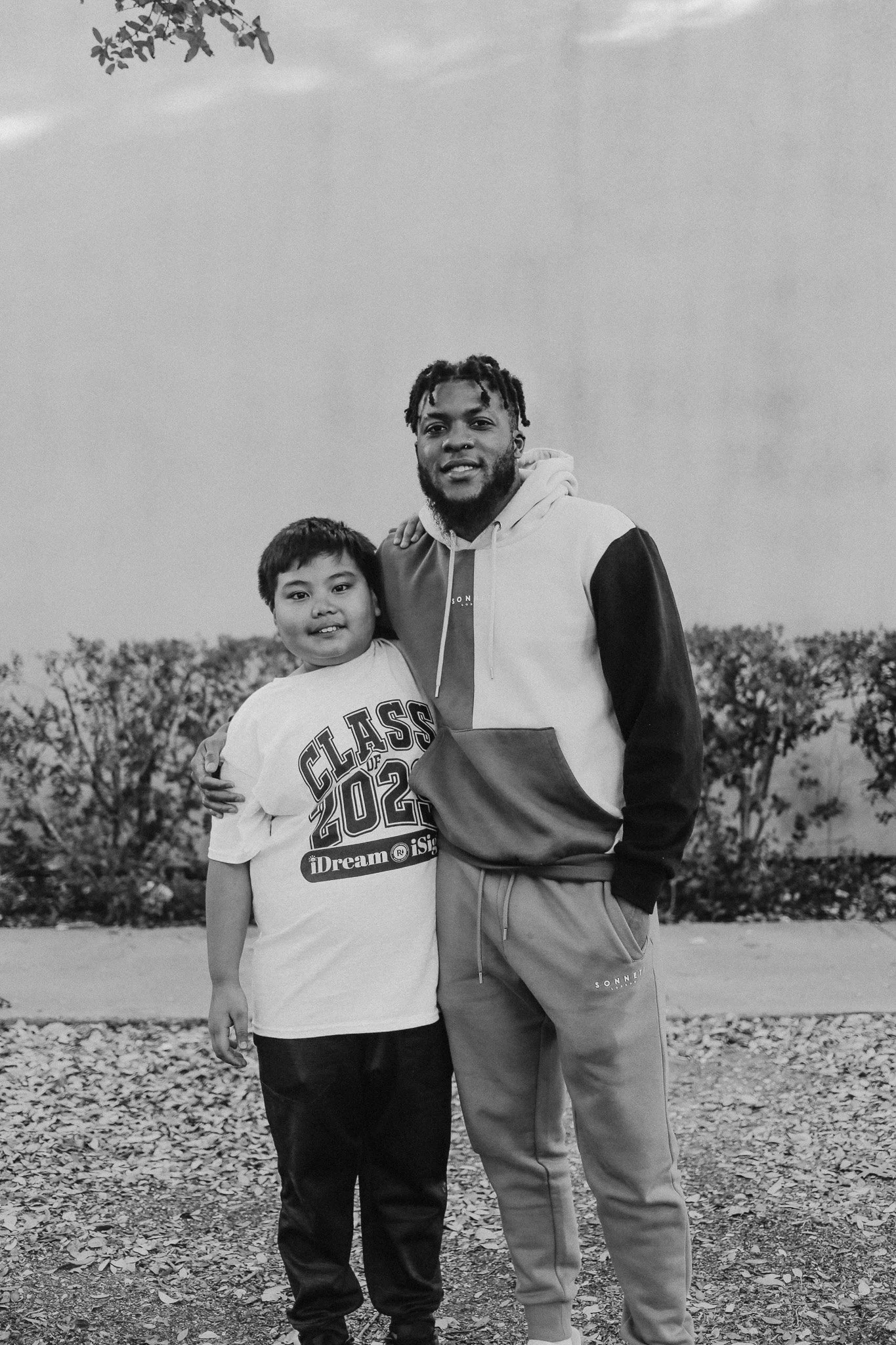
Opening Story
The smell of fryer grease hung in the air as I slid into a booth across from Trevor, a third grader who could not sit still.
He kept tapping his foot against the table leg, his eyes darting around the McDonald’s like he was waiting for something to go wrong. His order never changed, cheeseburger with no pickles, and neither did the tension he carried into every conversation.
That day, I did not come in with a lesson plan or a list of questions. I just came in with time. I asked Trevor about his week, listened to his stories, and tried not to rush him when his thoughts came out sideways.
There was nothing impressive about the moment, but something about it mattered more than I realized at the time.
A few weeks later, I had to bring Trevor along to a dance studio because I could not drop him off in time. He sat quietly in the corner, watching a class unfold in front of him.
I remember glancing over and noticing how still he had become, how locked in he was. When the class ended, he looked at me and asked, almost hesitantly, if he could ever do something like that.
I did not give a speech. I did not overthink it. I just told him yes.
In that moment, what Trevor needed was not expertise or direction. He needed someone close enough to speak belief into his life.The Core Problem
I’ve watched a lot of mentors get this wrong, and if I’m honest, I’ve been one of them. I used to think the value I brought to a mentoring relationship was tied to what I could teach, fix, or improve. I thought I needed to have the right words, the right plan, or the right strategy to make a difference. So I would show up thinking about outcomes—better behavior, better decisions, better performance—and I would quietly measure success by those things.
The problem is that most kids I’ve mentored weren’t struggling because they lacked information. They were struggling because they lacked stability, attention, and belief. When I made mentoring about outcomes, I unintentionally made it about pressure. I became someone who evaluated instead of someone who stayed. And kids from hard places can feel that difference immediately.
When I focus on changing a kid instead of consistently showing up for a kid, I end up reinforcing the very instability they are already living in. They don’t need another adult who shows up with expectations they can’t meet. They need an adult who shows up in a way they can trust.
What I’ve learned over time is that presence is not accidental. It’s not passive. And it’s not as simple as just being in the same room.
The Core Principle
The most important shift I’ve had to make is understanding that showing up is not a single action—it’s a posture made up of consistency, attention, and intentional care over time. Presence is not just proximity; it is predictability, attentiveness, and intentionality woven together in a way a child can actually feel.
When I think about it now, I don’t just ask myself if I showed up. I ask how I showed up. Was I consistent? Was I mentally engaged? Did I remind them they mattered outside of our scheduled time? Those questions have reshaped the way I approach every mentoring relationship.
Because the truth is, kids don’t just experience whether I’m there. They experience how I’m there.
Expanded Insight
One of the biggest things I’ve learned is that predictability is healing. When I show up when I say I will, I’m doing more than keeping a commitment. I’m quietly pushing back against the narrative many kids carry that people leave, people forget, and people don’t follow through. Every kept promise becomes a small but meaningful disruption to that belief.
At the same time, I’ve had to learn that being physically present is not the same as being mentally present. There have been moments where I was sitting across from a kid, but my mind was somewhere else—thinking about work, checking my phone, or mentally preparing what I wanted to say next. And even if I didn’t say it out loud, my distraction communicated something. It told them they didn’t fully have my attention.
Over time, I’ve realized that attention is one of the most valuable things I can give. When I lean in, ask questions, and let them teach me about what they care about, something shifts. They begin to open up. They begin to trust. They begin to believe that what matters to them actually matters.
Then there’s a third layer that I didn’t fully appreciate at first: the power of showing up outside the scheduled time. A quick message before a test. A note in the mail. A simple reminder that I’m thinking about them. Those moments don’t take much time, but they carry a lot of weight.
When a kid realizes I’m thinking about them when I don’t have to, it changes how they see their value.
And then there’s the reality that I won’t always get this right. I’ve missed meetings. I’ve forgotten commitments. I’ve had moments where I showed up distracted or rushed. Early on, I thought those moments disqualified me. Now I see them differently. They’re opportunities to model something most kids rarely experience—repair.
When I own a mistake, apologize clearly, and come back, I’m not just fixing a scheduling issue. I’m showing them that relationships don’t have to end when something goes wrong. I’m showing them that grace is real.
Here are some practical ways to apply this principal:
Start by choosing a rhythm you can actually sustain. I’ve learned the hard way that overcommitting doesn’t help anyone. Early on, I would say yes to a frequency that sounded impressive but wasn’t realistic. That inconsistency ended up doing more harm than good. Now I choose a rhythm that I know I can keep, and I treat it like a real commitment, not something optional. That consistency becomes the foundation the relationship is built on.
Clarify expectations early with both the mentee and their caregiver. I’ve found that a simple conversation at the beginning can prevent a lot of confusion later. I explain how often I’ll be there, how communication will work, and what they can expect from me. This creates alignment and removes unnecessary tension. It also builds trust with the caregiver, which strengthens everything else in the relationship.
Create intentional space for undivided attention during your time together. I’ve had to be disciplined about putting my phone away and being fully present. Not halfway present. Not mostly listening. Fully engaged. I’ve noticed that when I give a kid my full attention, the depth of our conversations changes. They begin to share things they wouldn’t otherwise say, and the relationship grows faster and stronger.
Learn their world on purpose and revisit it consistently. I make it a point to remember what they care about—teams, hobbies, music, games—and then bring those things back up in future conversations. This shows them I’m paying attention and that what matters to them matters to me. Over time, this builds a sense of being known, which is something many kids are missing.
Look for small ways to show up outside your scheduled time. I don’t overcomplicate this. A quick message, a short note, or a simple check-in can go a long way. The goal isn’t to add pressure to my schedule. It’s to create moments that remind them they’re not forgotten. These small touches often have a bigger impact than the longer, scheduled times.
When you miss, repair quickly and clearly. I’ve had to learn not to avoid or minimize my mistakes. If I miss something, I acknowledge it directly, apologize without excuses, and make a plan to reconnect. This doesn’t weaken the relationship—it strengthens it. It shows that I’m committed enough to come back and make things right.
Conclusion (Bottom Line)
Looking back, I realize that the most meaningful moments in mentoring have rarely been the ones I planned. They’ve been the quiet, ordinary moments where I simply chose to be present in a way that was consistent, attentive, and intentional. A meal at a fast-food restaurant. A conversation in a waiting room. A simple word of encouragement at the right time.
The power of mentoring isn’t found in what I bring to the table—it’s found in how faithfully I show up over time. When I show up predictably, I build trust. When I show up mentally, I communicate value. When I show up intentionally, I reinforce belonging. And when I repair after failure, I model something deeper than perfection—I model grace.
I don’t need to be impressive. I don’t need to have all the answers. I just need to keep showing up in a way that a kid can feel. Because sometimes the moment that changes everything doesn’t look like much at all. It looks like being there, again and again, until a kid finally believes they matter.
Discussion Questions
Which aspect of showing up do I struggle with most right now—consistency, attentiveness, or intentional follow-up—and what is one specific step I can take to grow in that area?
How might the way I currently define “success” in mentoring be shaping how I show up, and what would it look like to shift that definition toward faithful presence instead?
