
Blog
Why Mentors Need Thick Skin and a Soft Heart
The basketball rolled past me and thudded softly against the cinderblock wall, coming to a slow stop near his feet. He didn’t pick it up right away.
Why Kids Need Belonging Before Behavior Change
The hallway had mostly emptied, but his backpack was still sitting on the floor like he had dropped it mid-step and decided not to come back for it. to either.
Why Mentor Support Makes the Difference
The chairs were still slightly warm from the last group when a mentor leaned toward me and lowered her voice just enough to keep the conversation from spreading across the room.
How the Right Environment Helps Kids Open Up in Mentoring
The fluorescent lights in the dining hall had that dull hum that only shows up when the room starts to empty out. Plates were stacked halfway, chairs slightly out of place, the energy of dinner fading into that awkward in-between moment before the next activity. I noticed him before anyone said anything.
How Mentors Raise Up the Next Generation of Leaders
The room had gone quieter than I expected after he asked the question. We were sitting across from each other at a worn wooden table, papers scattered between us, talking about what it looked like for him to step into more responsibility. He had been showing up consistently, asking good questions, and slowly earning trust.
Why Mentoring Is Life-on-Life, Not Just Program-to-Program
The first thing I noticed wasn’t what he said—it was where he stood. He kept his back against the wall, just outside the circle, close enough to hear but far enough to leave without being noticed.
Why Mentors Should Show Up Where Kids Actually Live
A screen door slammed somewhere above me, the kind of hollow bang that echoes through an entire building whether you mean it to or not. had learned how to disappear without actually leaving.
How Christian Mentors Help Kids See Jesus Through Love
The room got quiet in a way that didn’t match the energy from five minutes earlier. A basketball was still rolling slowly across the floor, bumping into a chair leg before settling. I noticed him sitting off to the side, shoulders hunched, picking at the edge of a paper plate like he was trying to disappear into it.
Why Mentors Should Start Early and Stay Faithful
She sat across from me on a plastic bench, swinging her legs just enough to make the metal creak. I had asked her a simple question about her week, and she shrugged without looking up.
How to Match a Mentee’s Energy Instead of Forcing Your Agenda
His foot tapped the entire time he was talking, like if he stopped moving, the moment might disappear. We were sitting on a chipped wooden bench just outside the gym, the kind that wobbles slightly if you shift your weight too fast.
How Mentors Build Relational Equity Over Time
The folding chair scraped against the concrete as she shifted her weight, watching from a distance while the kids piled out of the vans. I could tell she was tracking every movement without looking like she was tracking anything at all.
How to Be a Steady Mentor Kids Can Count On
The gym was nearly empty when I noticed him sitting on the far bleachers, still in his practice jersey long after everyone else had left. The lights above the court hummed, and a janitor pushed a broom in slow, repetitive strokes, but this kid hadn’t moved.
How to Mentor Faithfully With What You Already Have
The first time I sat across from a teenager at a restaurant, I kept waiting for something important to happen. The server had just dropped off our food, and I remember noticing how loud the room felt compared to the quiet at our table.
Many Ways to Mentor, One Purpose That Matters
He stared out the window of the van the entire drive, headphones in, even though I could tell nothing was playing. I tried once to ask him what kind of music he liked, but he just tapped the side of his ear like he couldn’t hear me and kept looking straight ahead.
How Mentors Can Stay Faithful Without Taking Offense
My phone buzzed once, then again, sitting face-up on the table like it was trying to get my attention without making a scene. I glanced down and saw his name, followed by a short message that read, “Can’t make it.” No explanation.
How to End a Mentoring Relationship Without Abandoning a Kid
He kept checking the door even when he pretended not to. I watched him do it between sips of a drink he didn’t really want, his eyes flicking up every time someone walked in like he was tracking exits instead of people.
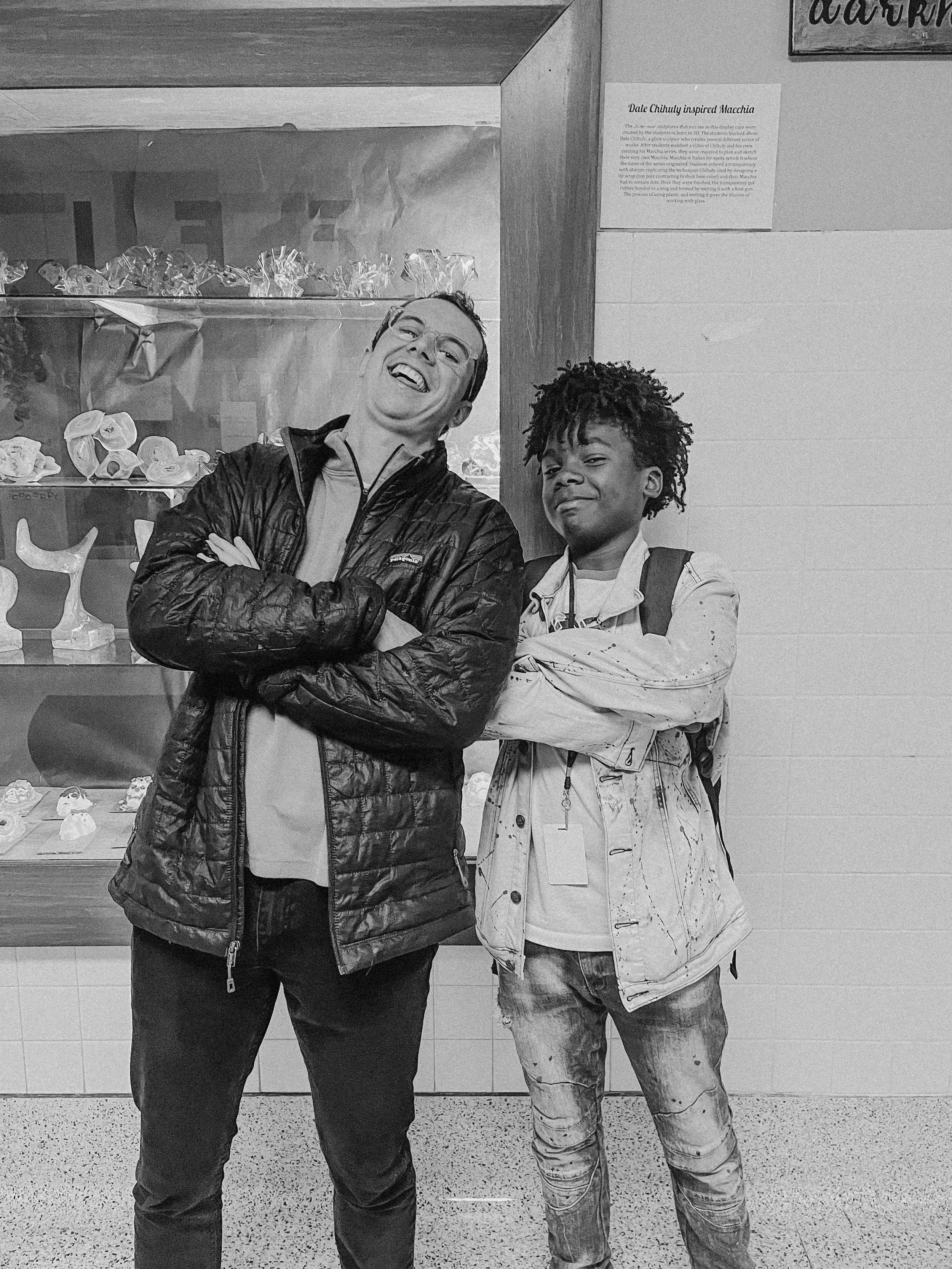
How Christian Mentoring Can Lead to Discipleship
The gym lights were still buzzing overhead when everyone else had already started drifting toward the exit. Shoes squeaked in the distance, a ball bounced somewhere in the hallway, and I was halfway through stuffing cones into a bag when he lingered near the bleachers instead of heading out like he usually did.
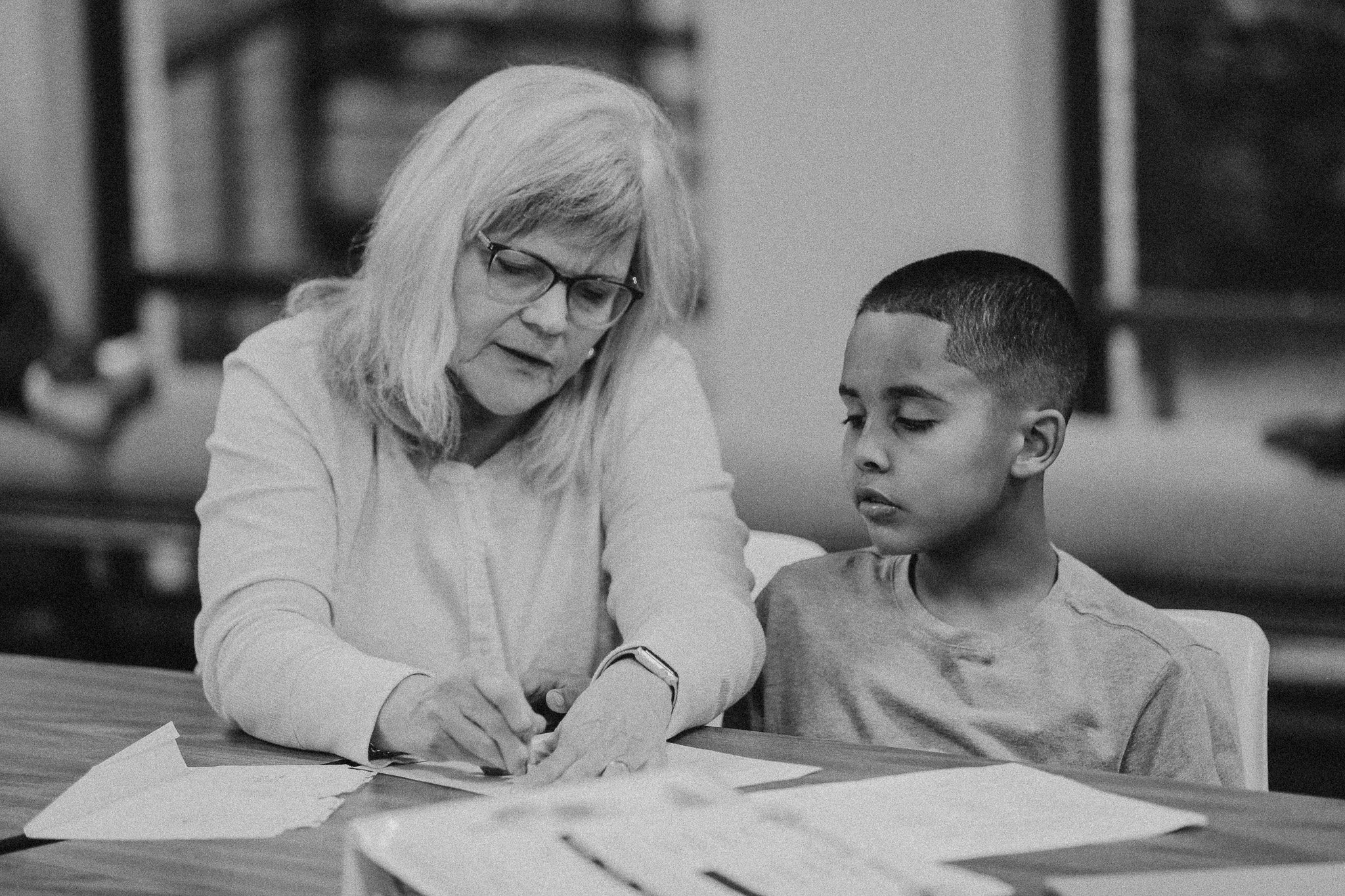
Mentoring Best Practices That Build Lasting Trust
The first time I felt the tension, I was sitting across from a mentor who had just come back from a difficult meeting with his mentee. He leaned back in his chair, arms crossed, and said, “I don’t think all these rules are helping.
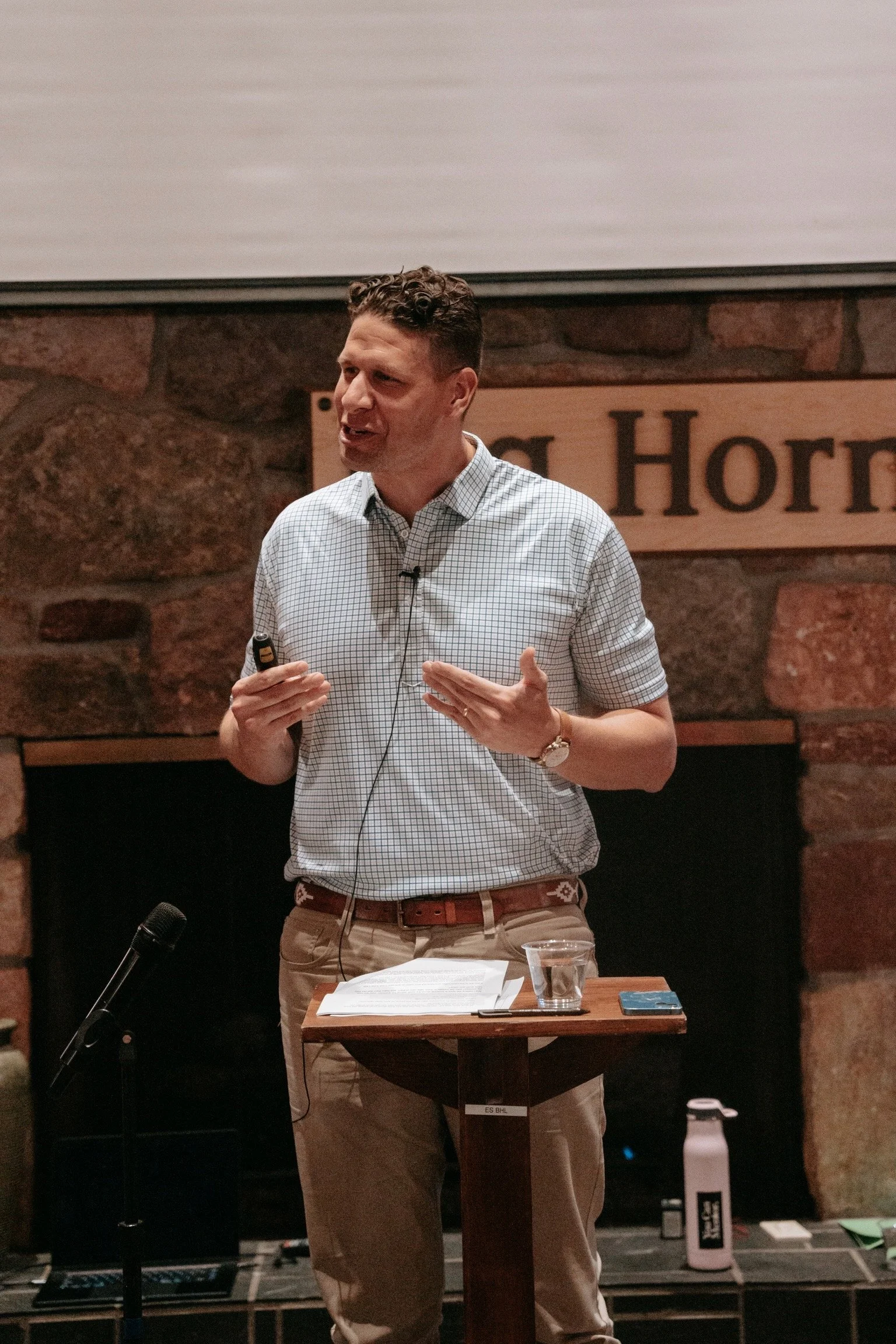
How Mentors Can Invite Kids In and Build Belonging
The wheels hit the edge of the concrete with that hollow, scraping sound that usually means someone is about to get told to leave. I was standing off to the side watching a group of middle school boys take turns on a rail they had clearly claimed as their own, boards tucked under their arms like shields.
How Mentors Can Have Conversations That Create Connection
He kept tapping the edge of the table with his pencil—steady, rhythmic, almost like he didn’t realize he was doing it. We were sitting in a small corner of the library, the kind of place where every sound feels louder than it should. His backpack was still slung over one shoulder, like he hadn’t fully decided if he was staying or leaving.