
How Christian Mentoring Can Lead to Discipleship
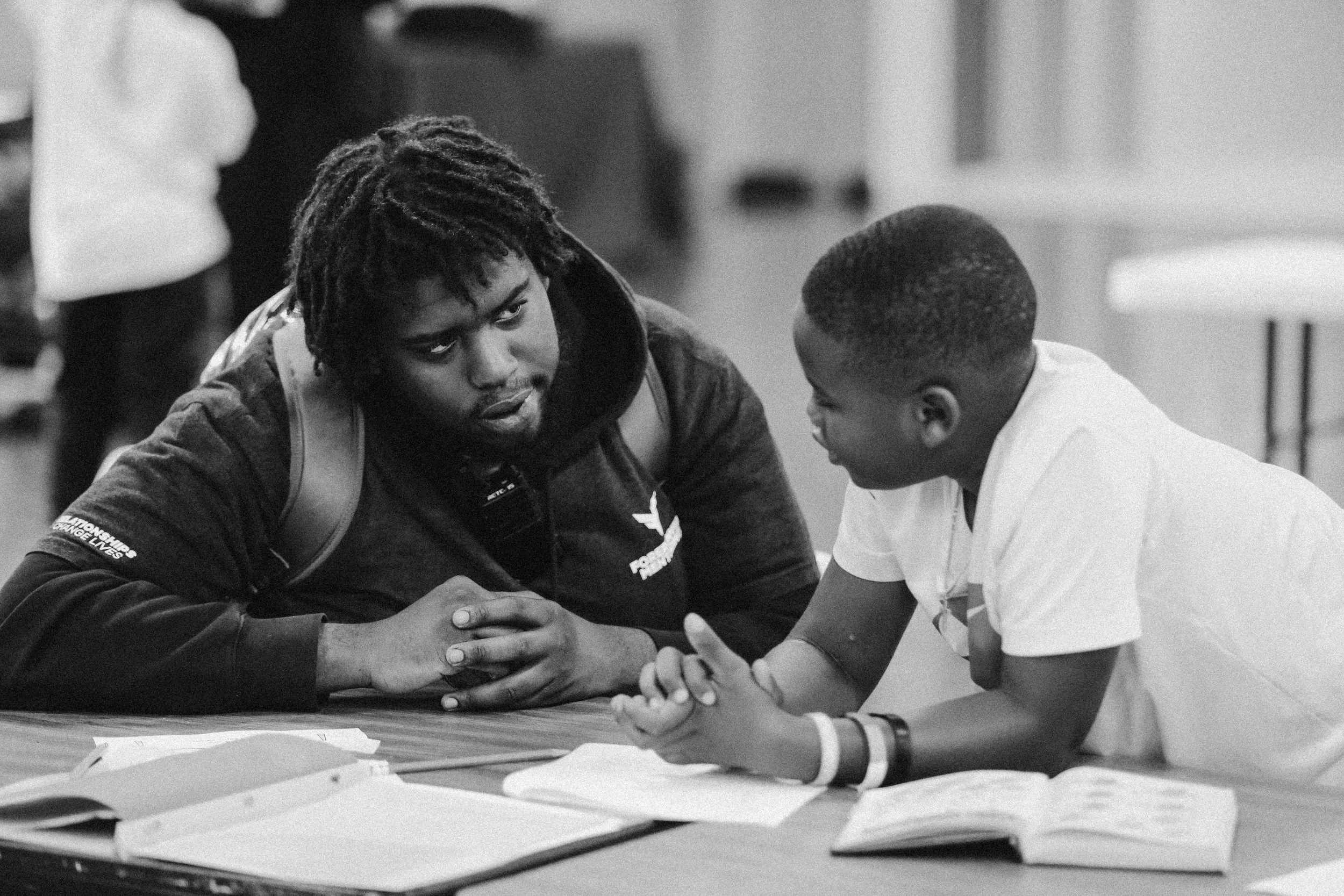
The cones were halfway in the bag when I heard his shoes stop behind me. I was cleaning up after the gym emptied, stacking cones and chasing stray balls while the lights buzzed overhead.
I looked up and saw Nico near the bleachers, hands in his hoodie pocket, rocking a little on his heels. He looked like he was deciding whether to leave or say the thing that had been sitting in his chest.
I almost filled the space for him with something easy about practice, school, or whether he needed a ride. But something in me slowed down, so I kept putting cones in the bag and waited.
Finally, he walked over, sat on the bottom bleacher, and looked straight ahead. “Can you, like, teach me about Jesus?”
The question was quiet, but it landed heavy. I felt honored because this is why we show up, and I also felt pressure because suddenly I thought I needed a plan, a Bible study, a perfect answer, and a level of spiritual maturity I was not sure I had.
I took a breath and said the first honest thing I could think of. “I would love to. What made you ask?” That question kept me from turning a holy moment into a performance.
Spiritual Questions Can Make Mentors Panic
When mentoring shifts into discipleship, mentors can start operating from pressure instead of peace. A young person asks about Jesus, prayer, sin, grief, forgiveness, or Scripture, and the moment suddenly feels like a test.
Most mentors are willing. The issue is what we think is required. We assume we need polished answers, a clear plan, a deep grasp of every passage, and the ability to handle every question without stumbling.
If we do not feel ready, we may overtalk to cover insecurity or pull back to avoid getting it wrong. Both responses can miss the invitation, because the mentee may be opening a door rather than asking for a lecture.
Nico was not asking me to impress him with everything I knew. He was asking if I would walk with him into something he did not fully understand yet.
Discipleship Is Guidance
Discipleship in mentoring is about helping someone learn how to meet with God for themselves. That shift has freed me because I am not the destination, I am a guide.
I am not trying to create dependence on my wisdom. I am trying to help a young person develop rhythms of listening to God, bringing honest questions to Him, and learning how to follow Jesus when I am not in the room.
That matters because if my mentee can only engage spiritually when I am carrying the whole conversation, I have built something too dependent on me. The goal is a faith that can travel beyond our weekly meeting.
Paul tells Timothy to entrust what he learned to faithful people who will teach others also. That picture is multiplication, not dependence, and mentoring should move in that same direction.
Ask Before You Answer
When Nico asked about Jesus, I wanted to answer right away. I wanted to explain the gospel clearly and make sure I did not waste the moment.
But his reason for asking mattered, so I asked, “What made you ask?” At first, he shrugged, then he said things at home had been confusing, and he was thinking more about God but did not know what he believed.
That changed the conversation. He was not simply curious about facts, he was trying to make sense of his life.
If I had answered too fast, I might have spoken past him. Asking first helped me connect Scripture to the place where the question was actually coming from.
A good mentor does not treat spiritual questions like assignments to complete. A good mentor treats them like doors to walk through with care.
Keep It Simple Enough to Repeat
After Nico told me what was behind the question, I asked if he wanted to read a short passage together. We pulled out our phones and read a few verses about Jesus inviting weary people to come to Him.
Then I asked three simple questions. What stands out? What does this show you about Jesus? How does this connect to what you are carrying right now?
His answer was not polished. It was real. He said, “It sounds like He does not make people pretend they are fine.” That was enough for the night.
I have learned that discipleship moments do not need to be impressive. They need to be repeatable. If what I do with a mentee is so complicated that they cannot imagine doing it on their own, I may be showing them my ability more than giving them a pathway.
Read a short passage. Ask what stands out. Talk honestly. Pray simply. That rhythm can go with them.
Your Life Is Part of the Lesson
I cannot teach someone to meet with God if I am not meeting with Him myself. I do not mean perfectly, I mean honestly and consistently returning.
Returning to prayer, Scripture, repentance, and dependence shapes the way I mentor. Kids can tell when faith is only something we explain, and they can also tell when it is something we live.
If I am empty, I tend to fill space with words. If I am grounded, I can lead with calm and let the moment breathe.
This is why my private life matters in mentoring. The young person does not need a flawless guide, but they need a real one.
Sometimes the most helpful thing I can say is, “I struggled this week too, and here is how I brought that to God.” That kind of honesty helps faith feel lived instead of staged.
Let Them Bring Messy Prayers
A lot of kids think prayer requires clean language. They think they need to know the right words, feel the right emotions, or sound spiritual before God will listen.
Mentors can help tear down that fear. We can model prayer as honest conversation with a Father who is already near.
With Nico, our first prayer was short. I asked if he wanted me to pray first, and he nodded, so I prayed a few sentences and gave him room to talk to God about one real thing.
He stared at the floor for a while. Then he said, “God, help me know if You are real, and help my mom stop being so stressed.”
That was discipleship. The prayer mattered because it was honest, and honesty is often the first brave step a young person takes toward God.
Questions Help Them Own Their Faith
Statements can teach, but questions can help a mentee take ownership. I still need to speak truth, but I do not want every spiritual conversation to be me talking while they receive.
Questions create participation. What do you notice? What feels hard to believe? What would it look like to trust Jesus in that situation?
Those questions invite the mentee to engage with God rather than simply repeat my conclusions. Sometimes one good question does more than five explanations because it stays with them and comes back later.
Encourage the Small Steps
Mentors should name small signs of spiritual growth. A kid asks a question, prays one honest sentence, reads a passage, admits doubt, or says what stood out.
Those are not small things. They are signs of courage, and encouragement helps courage grow.
When Nico prayed, I did not make it strange or overly emotional. I simply said, “That was honest. God can handle honest.”
He nodded, and I could tell the sentence mattered. Some kids need permission to believe that honesty is allowed in faith.
Do Not Carry the Outcome
I want mentees to respond to Jesus. I want them to trust Scripture, pray honestly, make wise choices, and grow in faith.
But I cannot force the pace of God’s work. Discipleship gets unhealthy when I try to make a young person move faster than trust allows.
My role is faithfulness. I can show up, ask good questions, open Scripture, model prayer, and encourage small steps.
God brings growth. That truth keeps me from pride when things go well and despair when they feel slow.
Nico’s spiritual life did not belong to me. He belonged to God before he ever asked me that question.
Bring Others Into the Circle
Discipleship becomes healthier when it grows beyond one mentor and one mentee. At the right time, invite another student, a trusted leader, a pastor, or a small group into the process.
That does not need to feel formal. A wider circle helps the mentee see that following Jesus is shared, and it keeps the mentor from becoming the only spiritual voice in the young person’s life.
Practices for Simple Discipleship
Start with their story
When a mentee asks a spiritual question, ask what led to it. Scripture often lands deeper when it connects to the real place they are standing.
Use a repeatable rhythm
Read a short passage, ask what stands out, connect it to life, and pray briefly. Keep it simple enough for them to try alone.
Model honest faith
Share how you pray, repent, struggle, and return to God. Do it briefly and humbly, so your story serves their growth.
Ask ownership questions
Use questions that help the mentee think, respond, and engage with God. Let them wrestle instead of rushing to finish the thought for them.
Celebrate small courage
Name honest questions, simple prayers, and small steps toward Jesus. Encouragement helps courage grow.
Invite multiplication
When the time is right, help them bring someone else into the conversation. Discipleship is meant to move through people, not stop with us.
Nico Asked Again
Two weeks later, Nico lingered after the gym again. This time he did not wait as long.
He walked over while I was locking the equipment closet and said, “Can we read something again?” I asked if there was something specific he wanted to read, and he said, “Something about being scared.”
We sat on the bottom bleacher with our phones open and read a Psalm. Same rhythm, short passage, honest questions, simple prayer.
Nothing about it looked impressive. But it was repeatable, and he had returned to it on his own. That was the point.
Give Them a Pathway
When a mentee asks about Jesus, the mentor does not need to become an expert in that moment. The mentor needs to become faithful.
Ask what led to the question. Open Scripture. Stay curious. Pray simply. Tell the truth. Encourage courage. Return to God yourself.
Discipleship in mentoring is sacred because it helps a young person learn that God is not distant, faith is not performance, and prayer does not require pretending.
Nico’s question in the gym did not require me to have everything ready. It required me to be present, honest, and willing to guide him one step at a time.
God can take honest, simple faithfulness and use it to build something that lasts long after the gym lights turn off.
Discussion Questions
When a mentee asks a spiritual question, do you feel pressure to perform or freedom to guide?
What simple Scripture and prayer rhythm could your mentee practice without you?
How can you model honest faith this week without making yourself the center of the conversation?
