
How Gratitude Strengthens Mentoring Relationships
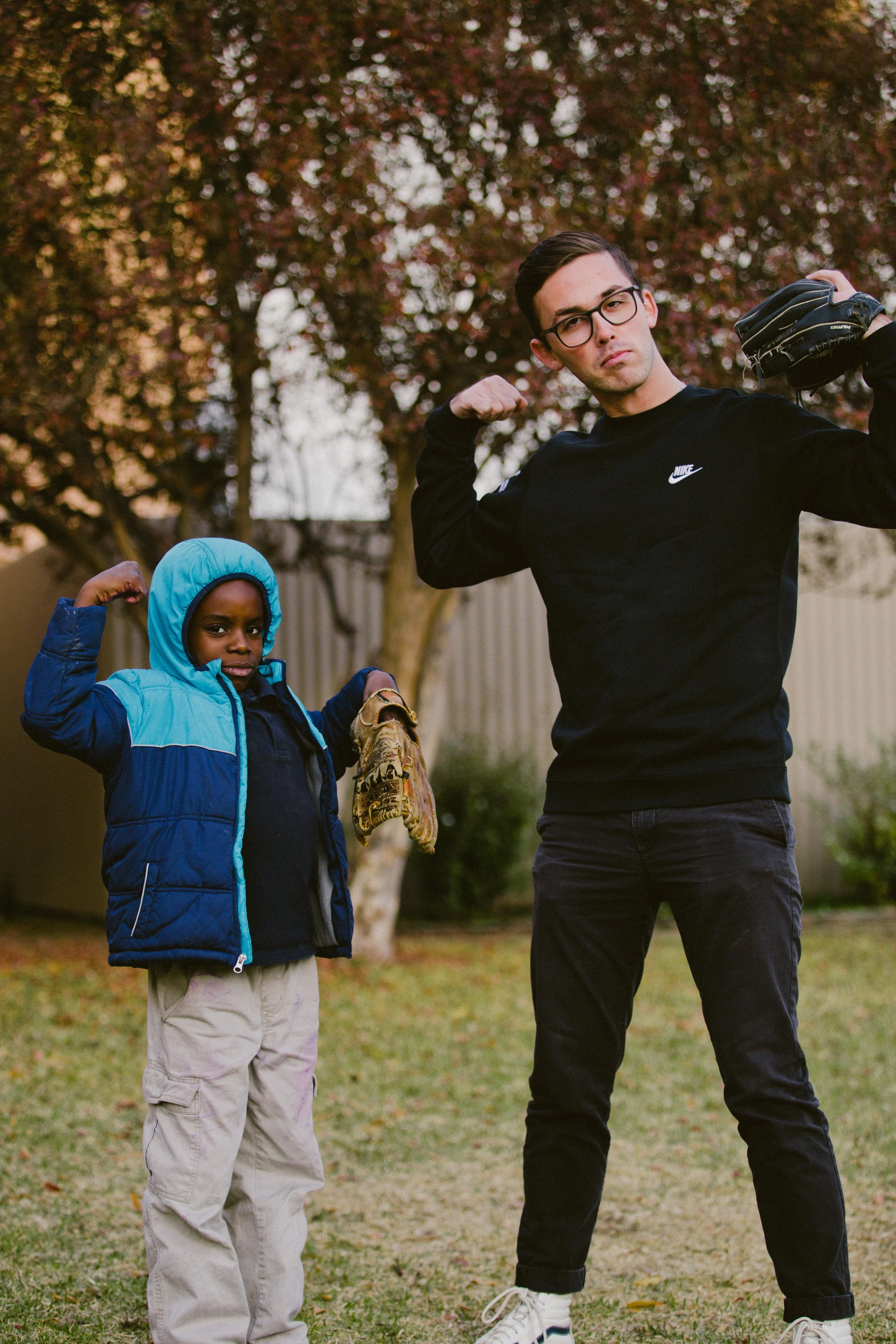
“I owe him a thank you,” Deacon said, staring into the last orange glow of the fire. Nobody had been talking for a while, which felt strange after a day filled with jokes, complaints, snack requests, and arguments about who was walking too slow.
The hike had been longer than advertised, the trail had more mud than we expected, and the damp air kept stealing heat from the circle. Deacon sat with his elbows on his knees, hood pulled over his head, looking into the coals like he was watching a memory.
I asked, “Who are you talking about?” He poked the dirt with a stick and said, “Mr. Ray.”
Mr. Ray was Deacon’s mentor, the kind of steady man who never seemed rushed. He could turn a ride home into a conversation and a missed practice into a lesson without making Deacon feel small.
Deacon kept going. “He gave me rides when my mom’s car was messed up. He bought me food a bunch of times. He came to my game when nobody else came. He helped me with that job application.”
Then he got quiet again, and the fire cracked once like it was giving him room. “I don’t think I ever said thank you,” he said.
Nobody coached him, corrected him, or reminded him to be grateful. Gratitude rose up after years of being loved, seen, helped, and pursued.
Gratitude had been growing in Deacon long before he had words for it. Around that fire, I realized I had often expected gratitude to show up too quickly.
Mentors Notice the Missing Thank You
I understand why mentors get frustrated when gratitude seems absent. You give rides, buy meals, plan activities, remember birthdays, pray, encourage, and keep showing up, then a kid hops out of the car without saying thank you.
A student receives help and acts like it was expected, and if we are honest, that can sting. I have heard mentors say, “He never says thank you,” or, “She just expects people to do things for her.” Those statements may describe real behavior, but they can reveal an assumption many of us carry.
We think gratitude should appear once enough good has been given. If a child receives care, appreciation should follow, and when it does not, we assume something is wrong.
Many kids from hard places have not been trained to notice care in that way. Their attention has often been shaped by absence, danger, disappointment, and survival.
So before I label a kid ungrateful, I need to ask a better question. Has gratitude been formed in them yet?
Survival Trains the Eyes
A child who has lived with instability often becomes skilled at noticing what might go wrong. They notice who is angry, who is leaving, who forgot, who lied, and who might disappoint them next.
That kind of attention makes sense because it may have helped them survive. Their eyes may need retraining before gratitude can grow.
Gratitude requires a child to notice what is present and good, even while life still feels hard. That is a major shift for a young person who has spent years scanning for the next problem.
Deacon was excellent at noticing what went wrong. He noticed when somebody canceled, when food was late, when plans changed, and when adults sounded irritated.
What he struggled to notice was the quieter goodness around him. He missed the teacher who waited after class and the mentor who kept choosing him when choosing him was not easy.
Gratitude had to begin with attention. Before Deacon could say thank you from the heart, he needed help seeing the gift.
Four Movements of Gratitude
Over time, I have started to see gratitude grow through four movements: noticing, thinking, feeling, and doing. These are not steps to force on a kid, but they help me cultivate gratitude instead of demanding it.
First, a young person has to notice what happened. Someone gave, helped, stayed, listened, sacrificed, or made room.
Second, they need to think about the meaning behind it. Why did that person do it, and what does it communicate about care and relationship?
Third, they need room to feel the weight of it. Gratitude becomes deeper when the heart catches up with the event.
Fourth, they can express it. They say thank you, write the note, make the call, or send the text.
Many mentors start at the fourth movement because we want the thank you. The first three movements may still be underdeveloped, and that is where patient mentoring comes in.
The Day Deacon Missed the Gift
One afternoon, Mr. Ray picked Deacon up from school and brought him to practice. That sounds simple until you know the rest of the day.
Mr. Ray had left work early, sat in traffic, waited outside the school, and skipped his own dinner so Deacon would not miss practice. Deacon got in the car, tossed his bag into the back seat, and said, “Can we stop somewhere? I’m starving.”
There was no thank you and no sense that a lot had been rearranged for him. Mr. Ray could have snapped, and I would have understood why.
Instead, he took a breath and said, “I can tell you’re hungry. Before we talk about food, I want to help you notice something.”
Deacon looked over, guarded already. Mr. Ray said, “I left work early today because I care about you making it to practice.”
Deacon looked out the window and shrugged. “Okay.”
Mr. Ray did not lecture him or make him feel stupid. He simply said, “When someone rearranges their day for you, that is a gift. You may not feel grateful yet, but I want you to learn how to see it.”
That sentence mattered because Mr. Ray was not shaming him. He was training his attention, which is where gratitude often begins.
Care Can Feel Suspicious
The second movement is thinking, and this one matters because many kids do not automatically know how to interpret care. Some assume adults are being nice because they want something.
Some assume kindness will disappear, so it feels safer not to need it too much. I have had mentees ask, “Why do you keep showing up?” and that question always carries weight.
When a kid asks that, they may be trying to grasp the meaning of care. Is this duty, pity, temporary interest, or something that will cost me later?
Mentors need to answer with honesty. “I show up because I like being with you.” “I care about your life.” “I made a commitment, and I want to keep it.” “God has been faithful to me, and I want to reflect that to you.”
Those statements may seem obvious to the mentor, but they may be brand new to the child. Clear care gives gratitude soil.
Feelings Need Language
The third movement is feeling. Some kids can describe what happened but cannot name what it did inside of them.
A teacher helped, a mentor came, a coach encouraged, and a friend remembered. But when asked how it felt, the young person may shrug because they do not have language for relief, comfort, honor, or joy.
I have learned to offer words gently. “Did that make you feel relieved, or maybe seen?” “Was that encouraging, or did it feel weird to receive help?”
Sometimes they pick one word, and sometimes they choose another. Either way, they are learning to connect an event to its impact.
That process matters because gratitude becomes real when a child can feel what the gift meant. The thank you comes from somewhere deeper when the emotion has a name.
Gratitude Cannot Be Forced Without Damage
There is a way to demand gratitude that creates shame. We have all heard it, and some of us have said it.
“You should be grateful.” “Do you know how much I did for you?” “The least you could do is say thank you.”
Those sentences may get the behavior we want. They rarely build the heart we are hoping for.
Forced gratitude teaches a child to perform appreciation so the adult feels better. Cultivated gratitude helps a child notice goodness and respond freely.
The goal is not to get credit. The goal is to help a young person become the kind of person who sees gifts, receives care, honors others, and recognizes the goodness of God in ordinary places.
Model It Before You Expect It
Kids learn gratitude by watching adults live it. If I want a mentee to grow in thankfulness, I need to become more aware of how I receive gifts, kindness, service, and correction.
Do I thank the server, teacher, volunteer, and coach? Do I thank my mentee when they show up, share honestly, or try again after a rough moment?
Gratitude should be visible in the air around the relationship. It should not feel like a spotlight that only turns on when the kid misses it.
Deacon saw Mr. Ray say thank you to cashiers, coaches, his mom, and the guy who unlocked the gym. Over time, those small moments built a pattern.
Practices That Cultivate Gratitude
Slow down the good
When something kind happens, do not rush past it. Name it and help your mentee notice the person behind the action.
Explain why you care
Do not assume your mentee knows why you show up. Say it plainly: “I enjoy spending time with you,” or, “You matter to me.”
Give words for feelings
Help your mentee name what kindness does inside of them. Offer words like relieved, encouraged, surprised, cared for, or thankful.
Practice expression without pressure
Teach simple ways to respond: say thank you, send a text, or write a note. Keep it practical and calm.
Connect gratitude to God
Point out that every good gift ultimately comes from the Father. Pray with thanks for people, provision, and signs of His faithfulness.
The Text Mr. Ray Received
Back at the campsite, Deacon stayed quiet after naming Mr. Ray. A few boys started shifting around, ready for bed, but Deacon kept staring into the coals.
Then he said, “I think I’m going to text him tomorrow.” I said, “That would mean a lot to him.”
The next morning, before we packed up, Deacon wrote the text. It was short, misspelled, and perfect: “Thank you for always showing up for me. I know I don’t say it but I see it.”
That text was the fruit of years of seeds. Rides, meals, prayers, corrections, and steady presence had been doing work beneath the surface.
Mr. Ray did not make gratitude happen in one moment. He cultivated it over time.
What We Are Really Forming
Gratitude is a deeper work than manners. Kids should learn to say thank you, but Christian mentors are aiming for something richer than polite behavior.
We want young people to see the goodness of God in real life. We want them to recognize care, receive love without suspicion, and honor people who serve them.
That kind of gratitude grows slowly. It grows through relationship, repeated language, modeled appreciation, and patient guidance.
So do not lose heart if your mentee does not say thank you right away. Keep teaching them to notice, explaining care, giving them words, and modeling gratitude.
One day, maybe around a fire, in a car, after a meal, or through a text typed slowly on a cracked screen, the gratitude may finally surface. When it does, you will realize God had been growing it long before you could see it.
Discussion Questions
Where might your mentee need help noticing care before they can express gratitude?
What is one way you can explain your care more clearly so your mentee can attach meaning to your consistency?
How can you model gratitude this week in ordinary moments your mentee can see and eventually imitate?
