
Why Mentor Support Makes the Difference
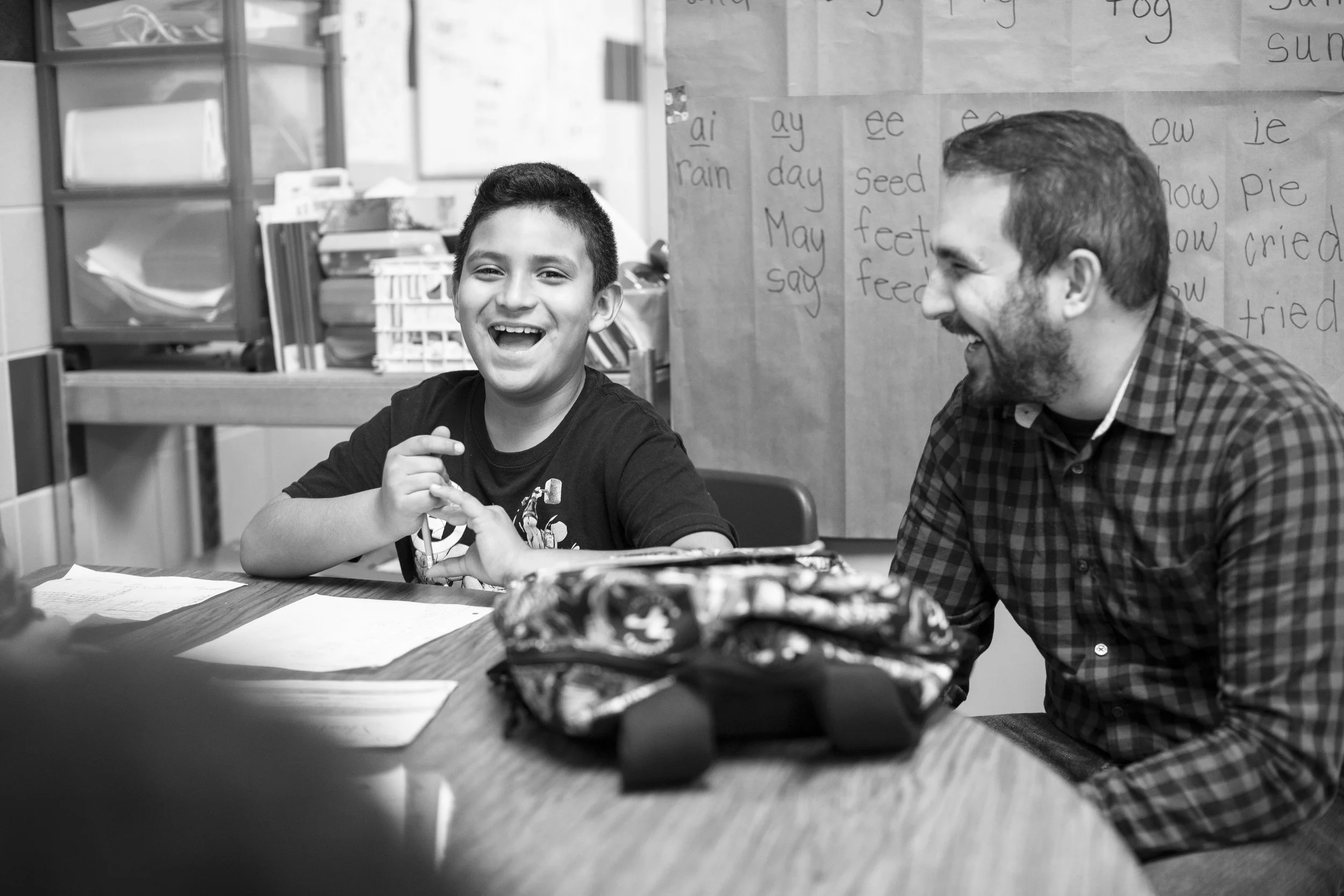
The room went quiet when Nora started reading the letter, and for a few seconds, nobody moved. A few minutes earlier, she had been describing how hard her mentoring relationship had become.
Her mentee, Lila, had stopped talking as much. Their car rides felt thinner, and their conversations had gone from laughter and inside jokes to short answers and long pauses.
Nora kept saying, “I think I lost her,” and I could hear the ache in it. She was not being dramatic, she was trying to make sense of a relationship that used to feel easy and now felt like walking through fog.
Then someone asked if any mentors had brought reflections from the activity we had done the week before. Nora reached into her bag and pulled out a folded sheet of paper.
She said, “Lila wrote this, but I almost did not bring it because it made me cry.” Then she read it while the rest of us listened.
Lila had written that Nora made her feel safe. She wrote that she did not always know how to talk in person, but she looked forward to their time.
She wrote that Nora felt like someone who stayed. Nora stopped reading halfway through and wiped her eyes.
Every mentor in the room understood what had just happened. The relationship that looked quiet from the outside was not empty.
Something meaningful was alive under the silence. That moment reminded me how easily mentors misread what is happening when they are left alone with their own discouragement.
Passion Gets People Started
Most mentoring programs work hard to recruit good people. We cast vision, share stories, explain the need, and invite adults to step into the lives of kids who need steady relationships.
That matters. A mentor should begin with compassion and conviction.
But passion gets people started, while support helps them stay. The gap between those two realities is where many mentoring relationships struggle.
A mentor meets a young person, feels hopeful, and expects connection to grow naturally. Then real life shows up.
The mentee barely talks. The parent does not respond. A conversation feels awkward, and a moment of disrespect lands harder than expected.
Without support, the mentor interprets the relationship alone. That is dangerous because discouragement is a terrible translator, and it can turn silence into rejection, missed meetings into failure, and slow trust into proof that nothing is working.
Mentors Do Not Leave Because They Stop Caring
I have seen mentors step away with tears in their eyes. They did not quit because they stopped caring.
Many quit because they felt alone in their caring. They did not know what was normal, how to read the mentee’s behavior, when to wait, when to speak, or when to involve another adult.
So they carried it privately until the weight became too much. That weight changes the way people see the relationship.
The mentor may think, “I was not the right person.” The young person may think, “I knew they would leave.”
Both interpretations can be wrong, and better support could have helped. That is why mentoring leaders have to care for the mentor as much as they care about the match.
Support Is the Structure That Holds Care
Mentors do not stay because mentoring is easy. They stay because they feel supported when it is hard.
That belief has reshaped how I think about mentoring programs. Support is not a bonus feature. It is part of the foundation.
If I recruit mentors without a plan to guide them, I am placing weight on goodwill that goodwill was never meant to carry alone. Care needs structure.
Mentors need training before the match, clarity at the beginning, check-ins along the way, and honest conversations when things feel confusing. They need a place to say, “I do not know what to do,” without feeling like they have failed.
Support protects the mentor, and it protects the mentee. It gives love a place to stand when the relationship gets complicated.
Know the Mentor Before You Match the Mentor
One of the best things a program can do is learn the mentor’s story before placing them in a relationship. We often ask what they can give, but we also need to ask what they are carrying.
Why do they want to mentor? What experiences shaped them? What kind of kid do they feel drawn toward? What behaviors trigger frustration or insecurity?
Those questions matter because mentors interpret mentees through their own stories. A mentor who grew up feeling ignored may take a quiet mentee personally.
A mentor who values punctuality deeply may read lateness as disrespect before considering context. This does not disqualify the mentor, it helps the leader coach them with wisdom.
Nora’s own story made Lila’s silence painful. Nora had grown up in a home where silence usually meant something was wrong, so when Lila stopped talking, Nora felt failure before she had evidence.
A good support conversation helped Nora see that Lila’s silence might be fear, processing, adolescence, or a slower kind of trust. That reframe gave Nora enough hope to stay steady.
Matching Should Be Thoughtful, Not Rushed
Good matches rarely happen by accident. They come from listening carefully to the mentor, the mentee, and the family or caregivers around them.
There is pressure to fill spots quickly. A kid is waiting, a volunteer is available, and everyone wants the relationship to begin.
But a rushed match can create avoidable friction. Personality, interests, availability, emotional readiness, and expectations all matter.
A thoughtful match gives the relationship a stronger start. When a mentor can see why the match makes sense, confidence grows, and when a mentee feels seen, the relationship begins with dignity instead of convenience.
That does not mean every match will feel easy. It means the relationship begins with more thought, more prayer, and fewer assumptions.
Check-Ins Should Be Normal
I used to think mentors would reach out when they needed help. Some do, but many will not.
They do not want to bother the leader. They do not want to seem weak. They may not know that what they are experiencing is worth discussing.
So support has to be built into the rhythm. Regular check-ins should feel normal.
A check-in does not need to be complicated. Ask what felt encouraging, what felt confusing, what they noticed, and where they need help.
Those questions give mentors space to process before frustration hardens, and they allow leaders to catch small concerns early. Nora needed someone to ask, “How are you reading Lila’s silence?”
That question opened the door to a better interpretation. One thoughtful conversation can keep a mentor from making a permanent decision based on a temporary discouragement.
Group Rooms Bring Relief
There is something healing about mentors hearing other mentors tell the truth. Group gatherings can normalize the parts of mentoring people are often embarrassed to admit.
A mentor says, “I thought my mentee hated me,” and three other mentors nod. Another says, “I felt unappreciated,” and someone across the room exhales because they thought they were the only one.
Shared honesty reduces shame. It reminds mentors that difficult moments are part of the work, not proof that they are doing it wrong.
One night, a mentor named Patrice shared that she had signed her mentee up for swim lessons and expected excitement. Instead, she felt ignored.
She later learned the mentee’s mother, who spoke very little English, had prepared a meal to say thank you. The gratitude had been there, but it did not look the way Patrice expected.
That story reminded us that appreciation, trust, and connection often come in forms we do not recognize at first. Mentors need spaces where stories like that can reshape the way they see the work.
Prepare the Mentee Too
Mentoring programs often spend time preparing mentors, but mentees need preparation as well. Many kids have never had a healthy mentoring relationship before.
They may not know what to expect, how to express uncertainty, how to ask questions, or how to say what they need. Some may assume the mentor is temporary, so they protect themselves from caring too much.
Preparing mentees can be simple. Explain what mentoring is, how often they will meet, what they can talk about, and what to do when something feels uncomfortable.
That preparation gives the young person language and gives the mentor a more balanced relationship to build from. It helps both people step into the match with more clarity and less guesswork.
Compassion Before Clarity
One phrase I come back to is compassion before clarity. I may not fully know what is happening yet, but I can choose a compassionate posture first.
A mentee’s silence may feel like disinterest. A missed meeting may feel like disrespect. A short answer may feel like rejection.
But behavior rarely tells the full story. Compassion gives me time to ask better questions before I lock into a conclusion.
This does not mean mentors ignore patterns or hard truth. It means we resist quick assumptions about complicated kids.
When mentors are coached to lead with compassion, they stay curious longer. That curiosity often keeps the relationship open long enough for the real story to surface.
Practices That Help Mentors Stay
Redesign onboarding conversations
Use onboarding to learn the mentor’s story, expectations, fears, and past experiences. Logistics matter, but self-awareness helps mentors interpret challenges with more wisdom.
Slow down the match
Do not treat matching like filling a seat. Listen for fit, readiness, schedule, interests, and personality so the relationship begins with greater trust.
Schedule regular coaching
Make check-ins part of the system before problems appear. A supported mentor is less likely to carry confusion alone.
Gather mentors together
Create spaces where mentors can share honestly, ask questions, and learn from one another. Shared stories turn isolation into encouragement.
Prepare mentees for the relationship
Give mentees simple language for what mentoring is and how they can participate. Preparation helps both sides begin with clearer expectations.
Repeat the shared language
Use phrases like compassion before clarity, consistency over intensity, and slow trust is still trust. Shared language shapes shared culture.
Lila Was Telling the Truth Slowly
After Nora read the letter, she said, “I thought she was pulling away.” Someone across the room said, “Maybe she was learning how to stay.”
That sentence stayed with me. Lila had not become easy to read, but the letter proved she was not absent from the relationship.
She was telling the truth slowly. She was expressing on paper what she could not yet say in person.
If Nora had been alone, she might have read the silence as failure. In a supported room, she could read it with more hope.
That is what support does. It helps mentors see what they might miss when discouragement narrows their vision.
Build What Helps Love Endure
The goal of mentoring is never to build systems for the sake of systems. The goal is to build relationships that last long enough to matter.
But relationships that last need support. They need leaders who check in, mentors who gather, mentees who are prepared, and a culture that tells the truth about the hard parts.
Passion matters. Good intentions matter.
But the work will eventually get confusing, and when it does, mentors need to know they are not alone. Mentoring strengthens when mentors are known, coached, encouraged, and reminded that slow growth still counts.
The young person needs a mentor who stays. The mentor needs a community that helps them stay.
That is the work behind the work. It may not always be visible to the mentee, but they feel its fruit in the mentor who keeps showing up.
And sometimes, long after a mentor thought the relationship was slipping away, a folded letter reveals that love had been taking root the whole time.
Discussion Questions
Where are mentors in your context expected to interpret hard moments alone, and what support could change that?
How can you make coaching a normal rhythm before frustration or discouragement grows?
What story from a mentor could encourage others to stay when a relationship feels slow, quiet, or unclear?
