
Why Mentors Need Thick Skin and a Soft Heart
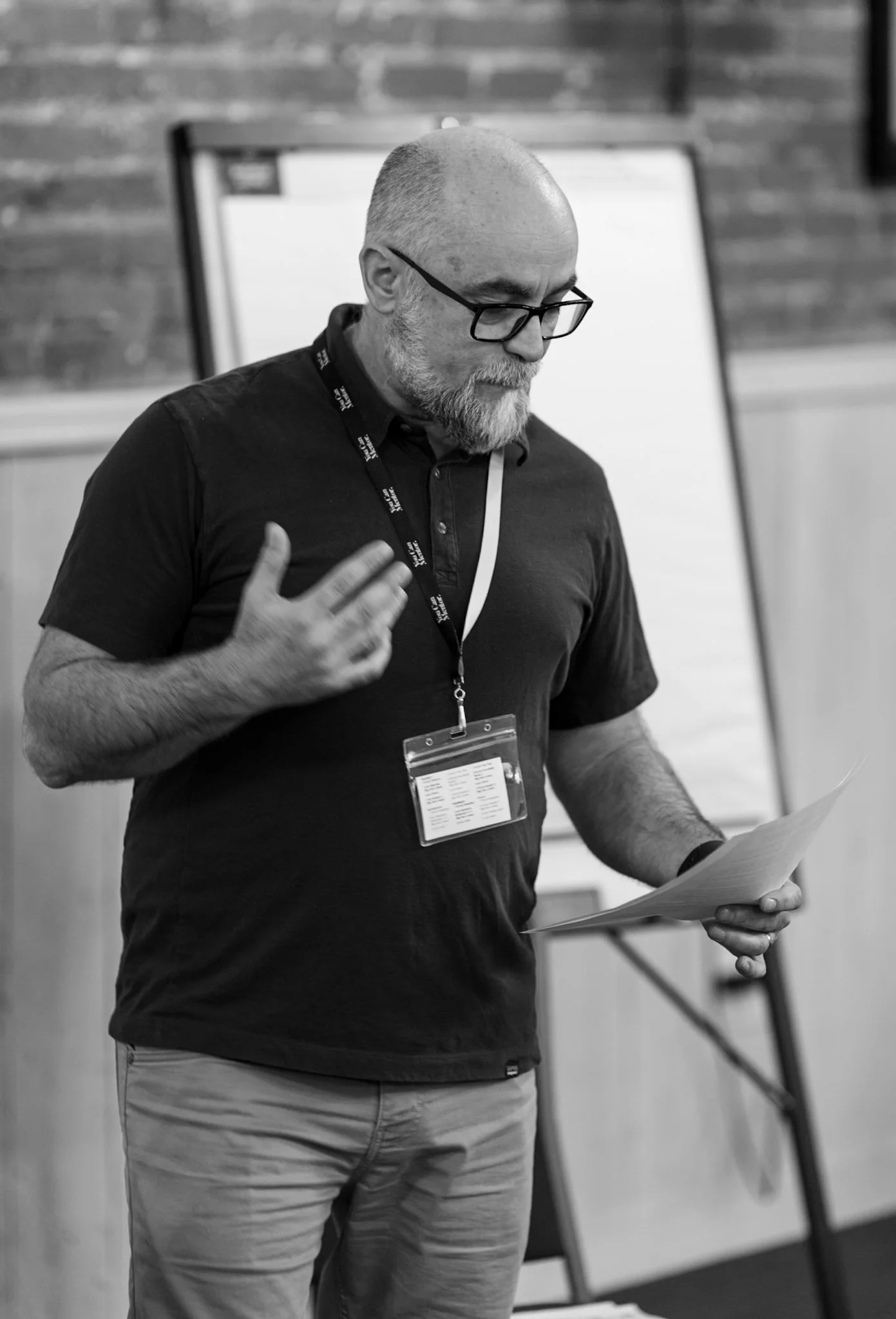
“You’re bad at this,” Malachi said, and for the first time all afternoon, I knew he was trying to connect.
The basketball had rolled past me and tapped the cinderblock wall behind the baseline. Malachi stood a few feet away from it with both hands buried in the front pocket of his hoodie, acting like the ball had nothing to do with him.
The gym was loud around us. Kids were yelling, shoes were squeaking, and somebody on the far court kept calling fouls that nobody else agreed with. Malachi stayed near the edge of everything, close enough to be noticed, far enough to deny he wanted in.
I nudged the ball toward him with my foot and asked, “You want to shoot?”
He shrugged without looking at me. That shrug had become his main language. It meant maybe. It meant no. It meant I am listening. It meant do not make me say anything that could be used against me.
So I did not push. I picked up the ball, took a shot, and missed so badly that it barely touched the rim.
Malachi glanced at me. No smile, but there was movement in his face.
I got my own rebound, shot again, and missed again, this time less on purpose than I want to admit. He finally took the ball, squared up with no confidence at all, and sent it off the backboard.
We kept shooting without keeping score. For ten minutes, the conversation was the ball moving between us.
Then, when the bell rang, he bounced it back to me and said, “You’re bad at this.”
That was not an insult. That was an invitation.
Quick Progress Is a Bad Master
One mistake mentors make is expecting progress to move faster than trust. I have done this more times than I would like to admit.
I walk into a relationship with good motives. I want to help, encourage, speak life, point a young person toward Jesus, and be a steady adult.
Then the kid gives me short answers, avoids eye contact, misses a meeting, shrugs through a conversation, or acts like the whole thing means nothing. I may not say it out loud, but something in me starts asking, “Is this working?”
That question is dangerous when it shows up too early. It can make me judge the relationship before the young person has had enough time to believe it is safe.
Kids from hard places often do not experience consistency the way I hope they will. They may receive my kindness with suspicion, my presence with caution, and my commitment as something that still needs to be tested.
What looks like rejection may be protection. What looks like defiance may be fear wearing a louder outfit.
The Question They Cannot Ask Yet
Many young people are asking one question underneath a dozen different behaviors: are you going to leave too?
They may not ask it with words. They ask it by pulling away after a good moment. They ask it by showing up late. They ask it by acting uninterested when something matters.
They ask it by testing boundaries, making jokes at the wrong time, or acting like they do not need anyone. A mentor who misses that question may respond to the surface and miss the heart.
Malachi had learned how to stay close without looking needy. He stood near the game but did not join. He watched the ball but waited for someone else to invite him.
He wanted to know if I would notice without making a scene. He wanted connection with enough distance to protect himself if it did not come.
That is where a lot of mentoring begins. It begins in that awkward space between the kid wanting to be seen and being terrified of needing to be seen.
Stay Consistently, Do Not Fix Quickly
The longer I mentor, the more convinced I am that my job is not to fix quickly. My job is to stay consistently.
That shift has changed how I measure success. I cannot evaluate a mentoring relationship only by immediate behavior change, emotional openness, or the depth of the conversation after three meetings.
I have to pay attention to trust. Trust is slower, quieter, and harder to measure.
Trust may look like a kid staying in the room five minutes longer. It may look like a sarcastic comment that has a little warmth behind it.
It may look like a young person handing the ball back instead of walking away. These moments matter because they are small signs that the relationship is becoming believable.
Consistency does not mean doing something dramatic. It means showing up at the same time, keeping your word, staying steady when the kid is guarded, and returning after a moment feels awkward.
Testing Is Data Gathering
When a mentee tests me, my first instinct may be to feel disrespected. That is normal, but it is not always accurate.
Testing is often data gathering. The young person is trying to find out what kind of adult I am.
Will I get angry fast? Will I embarrass them? Will I give up? Will I overreact? Will I stay warm after correction?
Malachi watched everything. He watched whether I took his shrug personally. He watched whether I made him talk.
He watched whether I mocked his shot, laughed at his miss, or tried to turn the gym into a therapy session. Kids are always gathering data, especially kids who have had to study adults for survival.
If I react defensively, I may confirm what they already fear. If I remain present, patient, and clear, I begin to give them a new file.
That new file says, “This adult might be safe.”
Thick Skin and a Soft Heart
Mentoring requires thick skin and a soft heart. I need both, and I need them at the same time.
Thick skin helps me not take every shrug, joke, missed meeting, or sharp comment personally. It reminds me that a young person’s guarded behavior may have been shaped long before I arrived.
Without thick skin, I become reactive. I correct too fast, withdraw too quietly, or let discouragement decide the future of the relationship.
But thick skin without a soft heart can make me cold. I can become detached in the name of being steady.
A soft heart keeps me curious. It helps me ask, “What is underneath this?” instead of only asking, “How do I stop this?”
A soft heart allows me to care about the kid behind the behavior, while thick skin helps me stay when the behavior is hard to receive.
The Suspension Conversation
I remember another afternoon with a mentee named Kendrick who had just been suspended. He came in hot, loud, and full of blame.
The teacher was unfair. The principal was dramatic. The other student started it. Everybody was out to get him.
Every mentor instinct in me wanted to correct the story. I could hear all the missing pieces, and I wanted to help him own his part.
But I had learned enough by then to wait. So I let him talk.
I did not agree with every word, but I listened long enough for the performance to run out of steam. Eventually, he stopped, looked down, and rubbed both hands over his face.
That pause mattered. I asked, “What were you feeling right before it happened?”
He did not answer for a while. Then he said, “I just felt like nobody cared anyway.”
There it was. That was the real story.
If I had corrected him too quickly, I would have addressed the behavior and missed the belief driving it. The behavior still needed accountability, but accountability would land differently once we got closer to the wound.
Presence Creates Space
Presence creates space, and space allows truth to surface. That is one of the slow lessons mentoring keeps teaching me.
A kid may need to talk around the issue before naming the issue. They may need to blame, joke, exaggerate, or stay quiet before they can say what is true.
If I rush the process, I may get a cleaner conversation but a shallower one. If I can stay calm, listen longer, and ask the next faithful question, I may find the deeper story.
This does not mean I avoid correction. It means I let presence do its work before I start giving direction.
Kendrick needed truth. He had contributed to the suspension, and making excuses would not help him grow.
But before he could hear truth, he needed to feel that I was not trying to get rid of him. He needed to know I could hear the ugly parts without leaving.
Belonging Will Be Found Somewhere
Kids are always looking for belonging, even when they pretend they are not. If they do not find it in healthy places, they will look for it somewhere else.
Unhealthy groups can feel attractive because they offer clarity. They tell a young person who they are, where they fit, and what is expected.
Those messages can be destructive, but they can also feel stable to a kid who has lived with chaos. Advice alone cannot compete with belonging.
A mentor offers something better over time. Consistent presence, genuine care, clear truth, shared memories, and repeated invitations create a healthier place to belong.
That is what Malachi was testing in the gym. Could he belong without performing? Could he step in slowly? Could he be seen without being exposed?
Those questions do not get answered in one afternoon. They get answered by repeated presence.
Ordinary Things Build Trust
I have learned to value ordinary things more than I used to. Shooting baskets, grabbing a snack, walking to the car, sitting through a game, and asking about music can do more than we think.
Ordinary moments lower pressure. They allow a young person to participate without feeling analyzed.
Malachi could talk through a basketball before he could talk through his story. That mattered because the basketball gave him something to do with his hands and a way to engage without making the relationship feel too intense.
Mentors sometimes want to get to the deep conversation too quickly. We need to remember that trust often grows through normal life first.
One day, the kid who only talks about shoes may talk about his dad. The kid who only wants to shoot baskets may ask about prayer.
The ordinary road may be the way to the deeper place.
Speak Identity Before They Believe It
Many mentees carry negative stories about themselves. They have heard they are trouble, lazy, angry, behind, difficult, or too much.
Some have heard it from adults. Some have concluded it from repeated failure.
Mentors can speak a different story with patience and specificity. We do not need to flatter or exaggerate. We need to name what is true.
With Malachi, I started small. “You notice more than you let on.” “You do not give up as fast as you pretend.” “You have a good eye for what is happening in the room.”
At first, he dismissed it. Most kids do.
But repeated truth has a way of finding cracks. Over time, those words can challenge the stories they have been carrying.
A mentor may need to lend a young person belief until they are ready to carry it themselves.
Practices for Staying Consistent
Decide your interpretation ahead of time
Before hard behavior shows up, decide that you will look for the need beneath it. This keeps you from reacting as if every test is personal disrespect.
Slow your first response
When a tense moment happens, take a breath. Listen longer than feels natural, because the first version of the story may not be the deepest one.
Watch for patterns
Do not build your whole response around one incident. Look for repeated triggers, settings, comments, and behaviors that reveal what the young person may be carrying.
Build connection through normal life
Use ordinary activities to grow trust. Shared interests can create a pathway to deeper conversations later.
Speak steady identity
Name what you see God forming in the young person. Use clear, honest language they can hear more than once.
Check your expectations
When frustration rises, ask whether you are demanding quick results. Reset your heart toward long-term faithfulness.
Malachi Came Back to the Ball
A few weeks after that first awkward afternoon, Malachi walked into the gym before the others arrived. He picked up the same basketball and bounced it twice.
I was across the court putting away cones. He called out, “You shooting today?”
I said, “You trying to lose today?”
He smiled, and this time he did not hide it fast enough. That smile was months of work hiding inside one second.
We shot for twenty minutes before anyone else came in. He talked about a class he hated, a coach who irritated him, and a younger cousin he was worried about.
Nothing about the conversation would have sounded dramatic to someone walking past. But I knew what was happening.
The kid who used to stand outside the game was now inviting me in. Trust had taken a small step forward.
Stay Long Enough
The most meaningful change in mentoring rarely happens as fast as we want. It grows through consistency, patience, ordinary moments, and the willingness to stay when the relationship feels slow.
Kids from hard places may test us before they trust us. They may push away while hoping we remain close.
They may act indifferent while studying whether we will return. This can be frustrating, but it is also holy work.
A steady mentor offers a different picture of relationship. You can struggle, and I will stay. You can be honest, and I will listen. You can miss, and I will hand the ball back.
Malachi did not need me to fix him quickly. He needed me to show up consistently long enough for trust to become possible.
That is the invitation for mentors. Stay patient. Stay soft. Stay steady.
Watch for the small invitations. A sarcastic comment, a returned ball, a saved seat, a question that sounds casual but carries weight.
Those moments may be the first signs that a young person is beginning to believe what you have been trying to communicate all along: I am here, and by God’s grace, I am not leaving just because this is hard.
Discussion Questions
When your mentee tests your consistency, do you tend to react, withdraw, correct quickly, or stay curious?
What ordinary activity could become a low-pressure path toward trust in your current mentoring relationship?
What identity-forming truth does your mentee need to hear consistently from you over time?
