
Why One Caring Adult Can Change a Child’s Life
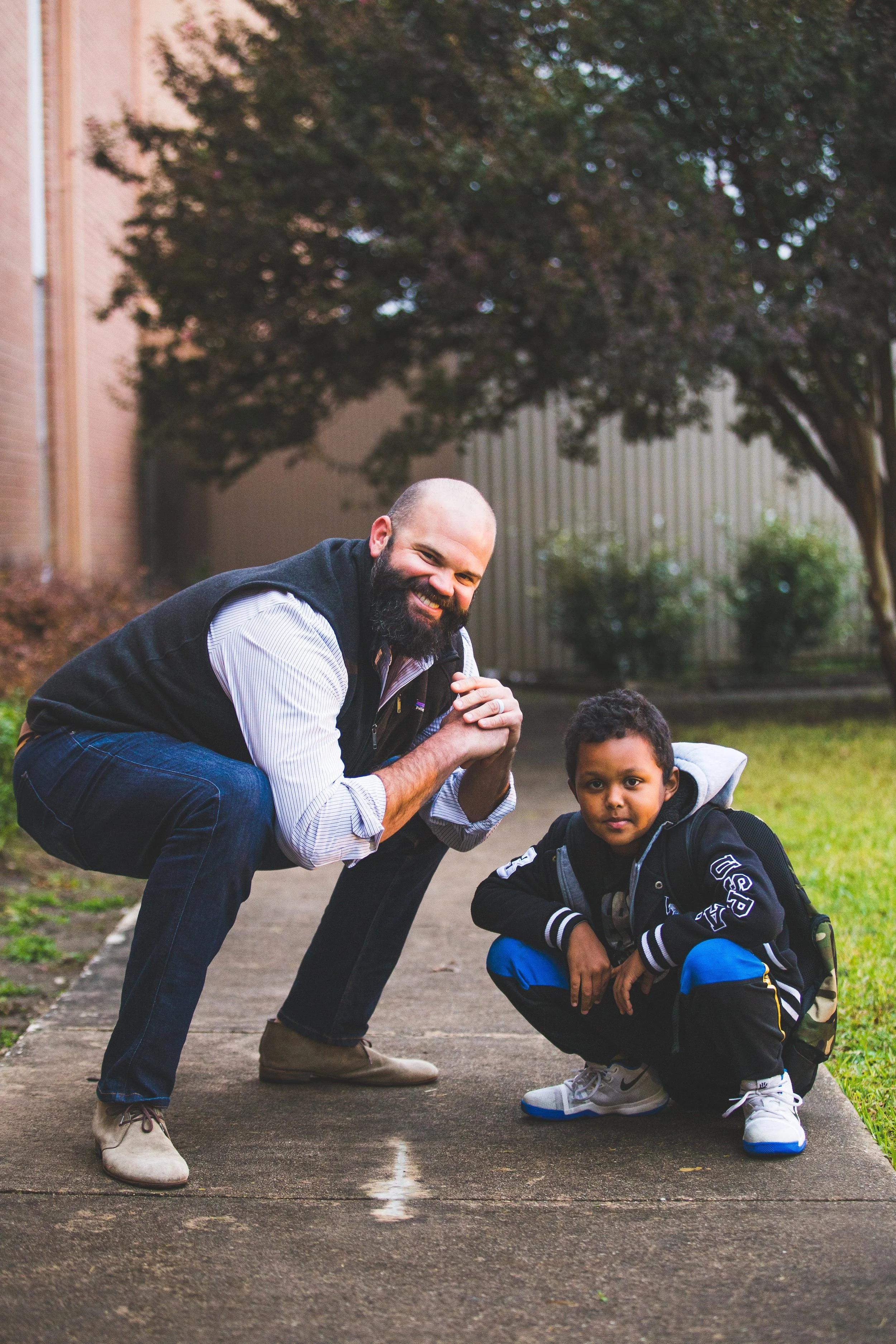
Three weeks after I thought nothing had happened, Arlo repeated a sentence I had forgotten saying. We were walking past the vending machines after school when he glanced at me and said, “Seeds do most of their work underground, right?”
I almost missed it because he said it so casually. He kept walking, backpack hanging low, one shoe untied, acting like the sentence had not meant anything to him. But I knew it had.
A few weeks earlier, we had sat in a small room at the community center with a table between us and very little conversation happening. I remember leaving that day discouraged because Arlo had barely answered me.
I had asked about school, his mom, basketball, and the Bible story we had read, and most of his answers had been shrugs or one-word replies. At one point, trying to explain why slow growth still mattered, I told him, “Seeds do most of their work underground.”
He looked at the wall when I said it, and I assumed the words floated past him. Then three weeks later, there they were, coming back out of his mouth.
That moment corrected me. Arlo had been listening in a way I could not measure, and something was happening beneath the surface that I had almost missed.
The Room Felt Smaller Than the Work
The room where Arlo and I met did not feel like the kind of place where anything lasting would happen. It had a dented table, a slow clock, and a stack of old board games in the corner with half the pieces missing.
We had been meeting there for several weeks, and every conversation seemed to start from zero. I would ask a question, and Arlo would shrug.
I would share something small from my own life, and he would nod without offering much back. There were times I wondered if I was wasting his time.
I also wondered if I was wasting mine, which is harder to admit because mentors are supposed to be more patient than that. I wanted to feel like something was clicking, but instead I got quiet nods, short answers, and long pauses.
Visible Response Is a Shaky Measuring Stick
One of the mistakes I have made in mentoring is measuring impact by visible response. I want engagement, conversation, emotion, and some clear sign that trust is forming.
When I do not see those things, I start evaluating the moment too quickly. Did I ask the wrong question, choose the wrong activity, or miss the real issue?
Kids from hard places often need time before they trust an adult with their words. They may have learned that openness can be used against them, promises can expire, and adults can disappear without warning.
So when Arlo sat across from me saying almost nothing, he may have been doing something very important. He may have been watching to see if I would stay when he gave me nothing easy to celebrate.
Trust Has a Quiet Beginning
Trust rarely begins with a big conversation. It begins with repeated evidence.
A young person sees that you arrive when you said you would. They notice that you remember small details, keep your voice steady, and return the next week.
Arlo was gathering evidence during those early weeks. He was learning what happened when he stayed quiet.
Healthy mentoring requires me to release that pressure. My calling is to show up with patience, honesty, and care, while God forms the roots I cannot see.
The First Small Shift
The first small shift with Arlo came on a Tuesday when I was packing up my Bible and notebook. I thought we were finished, and I was already thinking about my next meeting.
Arlo tapped the table twice and said, “My science teacher is annoying.” That sentence was not deep, and it was not spiritual.
But it was the first time he initiated something without me asking. So I sat back down and asked what happened.
He gave me three more sentences than usual. He said she called on him when he did not know the answer, and everybody laughed.
He said he hated when people made him feel stupid. That little crack in the wall mattered because it told me he was starting to risk a small piece of honesty.
If I had been looking for a breakthrough, I may have overlooked it. Trust often announces itself through small openings that require a mentor to pay attention.
Scripture Needs Relationship to Carry It
That desire is good, but pressure can make us force moments God may want to grow slowly. With Arlo, I started reading short passages instead of trying to teach long lessons.
We read about Jesus noticing people others overlooked, and I would ask, “What do you notice?” Sometimes Arlo said, “I don’t know.”
Other times he would give a small answer and then get quiet again. I had to trust that Scripture was doing work beyond what I could see.
When the Word is carried through a steady relationship, a young person begins to connect truth with the person who keeps showing up. They hear Scripture from someone who remembers their name, listens to their story, and returns the next week.
That does not make the mentor the center. It gives the words a relational pathway into the life of the child.
Silence Can Be Holy Ground
Silence used to make me uncomfortable. I felt responsible to fill it with better questions, stories, jokes, or advice.
But silence is often where a young person decides whether it is safe to speak. It may be where they are sorting through thoughts they have never said out loud.
It may be where they are testing whether I can sit with them without needing to control the room. So I have tried to get better at staying quiet.
With Arlo, silence became part of our rhythm. I would ask a question and wait longer than felt natural.
Sometimes he answered. Sometimes he did not.
Either way, I tried to communicate that he was not failing the relationship by taking his time. That posture matters because many kids have been rushed, corrected, or talked over.
Patient silence can become a gift when it tells a young person, “You do not have to perform for me to stay.” It gives the relationship time to breathe.
Small Signs Deserve Big Attention
After the vending machine moment, I started watching Arlo differently. I paid closer attention to small signs of movement.
He remembered a story from two weeks before. He asked if we could read the same parable again.
He started lingering near the door instead of leaving right away. He laughed once without trying to hide it.
None of those moments would make a dramatic story at a banquet, but they were signs of life. A seedling is small, but it is not nothing.
A kid who stays five minutes longer is showing you something. A kid who asks one question is showing you something, and a kid who remembers your words after three weeks is showing you something.
The Long Game Frees the Mentor
Mentoring becomes lighter when I stop demanding immediate evidence. That does not mean I stop caring about growth, because it means I stop requiring every interaction to prove its worth.
I am invited to faithfulness, not control. That shift has helped me walk into quiet meetings with less anxiety.
I can prepare well, show up fully, and leave the results in God’s hands. This is especially important for mentors who feel discouraged because their mentee does not seem responsive.
You may be having an impact that has not surfaced yet. Your consistency may be building trust in a place you cannot see.
Practices for Trusting Slow Growth
Measure faithfulness before response
After each meeting, ask whether you were present, patient, honest, and consistent. Those are pieces you can steward, while the young person’s immediate response does not belong fully to you.
Watch for tiny openings
Pay attention to longer answers, remembered details, initiated questions, softer posture, or a willingness to stay a little longer. Small movement often carries deep meaning.
Give silence room
Do not rush every pause. Let the young person think, decide, and gather courage at their own pace.
Keep Scripture simple and relational
Read short passages and ask honest questions. Let Scripture connect to life through conversation, prayer, and repeated exposure over time.
Protect consistency
Choose a rhythm you can actually keep. A steady mentor who shows up twice a month often builds more trust than an intense mentor who burns out quickly.
Release the need to feel effective
Bring your desire for visible fruit to God. Ask Him to help you serve the child without needing the child to reassure you.
Arlo Kept the Seed Sentence
Months later, Arlo and I were talking about his younger sister. She was struggling at school, and he was frustrated because he wanted her to change faster.
He shook his head and said, “She doesn’t listen.” Then he paused and added, “Maybe it is underground right now.”
I smiled because I knew exactly where that came from. The sentence had become his.
It had moved from something I said to something he could use to make sense of another person. That is how hidden growth often works.
A word settles. A truth stays.
A story from Scripture returns later when a young person needs language for life. I could not have produced that moment by pushing harder in the first few weeks.
I could have easily damaged it by trying to force Arlo to prove that our time mattered. Instead, God used repeated, ordinary meetings to plant something.
The Unseen Work Is Still Work
Mentoring often happens in places that feel too ordinary to matter. A small room, a short drive, a quiet meal, and a slow conversation can become the soil where trust grows.
Roots grow in hidden places. If we stay faithful in the quiet, we create space for trust to form.
If we release our need for immediate response, we can love the young person without making them carry our insecurity. Arlo taught me that silence can be soil.
The mentor’s work is to keep showing up, keep speaking truth, keep listening, keep praying, and keep trusting God with what cannot yet be seen. One day, a young person may repeat a sentence you forgot saying.
One day, they may ask the question you thought they were ignoring. One day, they may show you that the seed was growing all along.
Until then, stay faithful. Ordinary presence is often the place where lasting change begins.
Discussion Questions
What visible response are you tempted to use as proof that your mentoring is working? Ask God to help you measure faithfulness before feedback.
What small signs of trust or openness might you be overlooking in your current mentoring relationship? Write down one sign that deserves your attention.
How can you practice patience this week when growth feels hidden or slow? Choose one steady action you can repeat without demanding a quick result.
