6 Simple Ways Mentors Can Build a Strong Bond
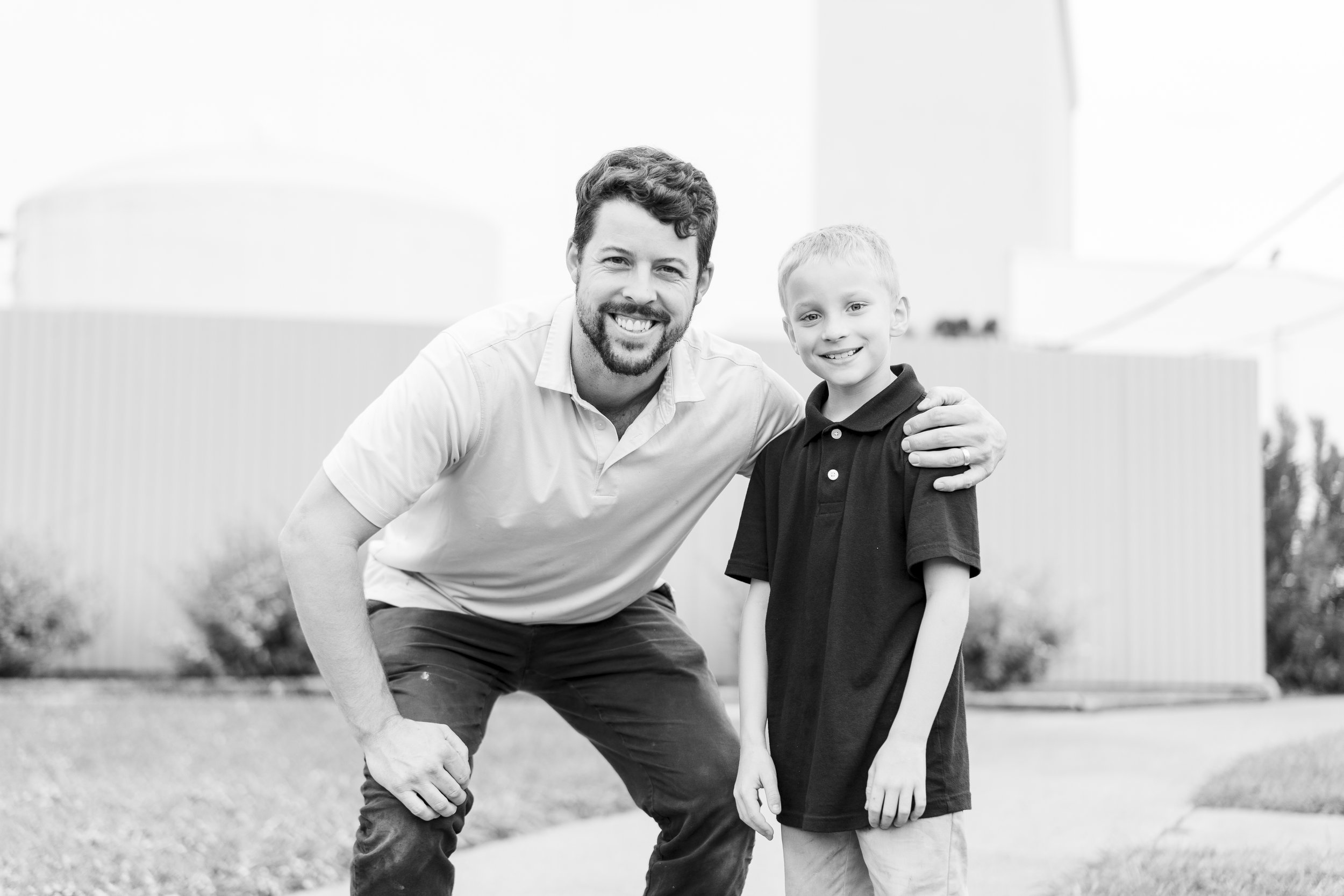
Cody left the engine running while he stared through the windshield at the school cafeteria. The parking lot was already filling up, and through the glass doors he could see kids moving between tables, backpacks sliding off shoulders, and volunteers trying to get settled for the afternoon.
Cody had been mentoring long enough to know that none of this was actually dangerous. He had prepared. He had a few questions in his head. He knew the name of the student he was supposed to find. But knowing all of that did not make the walk from the car to the cafeteria feel any easier.
He had the same thought a lot of mentors have before the first meeting, or the fifth one when the relationship still feels awkward. What if this kid thinks I am weird? What if I do not know what to say? What if I make this harder instead of better?
Cody sat there for another minute, then prayed a simple prayer. He asked God to help him stop worrying about whether he looked impressive and start paying attention to the child in front of him.
When Cody finally walked in, he spotted Elijah sitting alone at the end of a table, picking at a bag of chips. Cody smiled, pulled out the chair across from Elijah, and said, “Hey, Elijah. I’m Cody. I have been looking forward to meeting you.”
Elijah looked up, surprised by the energy in Cody’s voice. They talked about school, basketball, and the loudest kid in Elijah’s science class. Nothing about the conversation would have looked extraordinary from across the cafeteria.
But a few weeks later, Elijah told Cody something that stuck with him.
“You seemed like you actually wanted to be here.”
Cody had not delivered a great speech. He had not solved a problem. He had simply walked into a room, smiled, used Elijah’s name, and acted like spending time with him was a gift rather than an obligation.
For Elijah, that mattered.
The Stuff That Looks Small Is Usually the Stuff That Lasts
I think mentors can believe that impact comes from something dramatic. We want the perfect activity, the big conversation, or the moment where a young person finally opens up. But most mentoring relationships are built through ordinary decisions that tell a young person, “I am glad to see you. I am paying attention. I have not forgotten you.”
Ordinary faithfulness can feel unimpressive. Smiling, asking a question, remembering a detail, showing up on time, and sending a text do not make for a great story at first, but those basics are foundational.
I have watched mentoring relationships weaken, not because a mentor lacked passion or knowledge, but because the basics slowly disappeared. Meetings became inconsistent, questions stopped, and the young person slowly stopped feeling pursued. Kids do not experience our good intentions. They experience our presence.
Start the Day as a Learner, Not a Hero
Cody’s best decision that afternoon happened before he got out of the car. He reminded himself that he was not walking into the cafeteria to rescue Elijah, impress Elijah, or prove that he knew how to mentor. Cody was walking in to learn Elijah’s world, and that posture changes everything.
When I walk into a mentoring relationship believing that I need to fix a kid, I create pressure before I even say hello. I start looking for problems to solve. I begin measuring the meeting by whether the young person changes, opens up, or responds the way I hoped.
But when I come in as a learner, I am more likely to notice. I listen better. I ask questions instead of giving speeches. I leave room for a child to be different than I expected.
Humility is remembering that the young person in front of us is not a project. They have a story, strengths, wounds, interests, and a perspective we may not understand yet.
Before a meeting, it can help to pray, “God, help me notice this child today. Help me care more about knowing them than being impressive to them.”
Joy Gives a Kid Permission to Come Close
There are days when I have to choose joy on purpose. I may be tired. I may have had a hard meeting. I may be worried about something at home or mentally carrying a long list of things that need to happen when I leave. A mentee does not need me to pretend that life is always easy, but they do need to know that I am glad to see them.
Kids can read our faces faster than we think. They know when we are distracted. They know when we are annoyed that they interrupted us. They know when we are simply checking a box. They also know when we walk into the room with warmth and a genuine smile.
That does not mean we become fake. It means we choose before we walk in not to let the weight of our day control the tone.
A young person may never say it out loud, but they are often asking, “Are you glad I am here?” The way we greet them answers that question. Cody’s smile mattered to Elijah because it communicated welcome. It told Elijah that Cody was not reluctantly fulfilling an assignment. Cody had come because he wanted to be there.
Let Fun Do Some of the Heavy Lifting
Mentors sometimes treat fun like it is separate from the real work. We think the serious conversation is the important part, and the game, snack, drive, or inside joke is simply a way to fill time before we get there.
But fun is often where trust starts. Laughter lowers defenses. Shared experiences give kids a chance to be themselves without having to explain their whole story. A game can reveal patience, competitiveness, humor, leadership, or frustration in a way a formal conversation never will.
I have had some of my best mentoring conversations while shooting hoops, sitting in a car, playing a game, or trying a new restaurant. Those moments work because the young person does not feel like they are being interviewed. They are simply living life beside someone who is paying attention.
Elijah may not have needed Cody to ask a deep question during that first cafeteria conversation. Elijah may have simply needed Cody to laugh at something he said, ask about basketball, and stay long enough for the meeting to feel normal.
Fun is not a distraction from mentoring. It is one of the ways mentoring becomes believable.
Ask Questions That Make Room for a Real Answer
Early in my mentoring journey, I asked a lot of questions that led nowhere. “How was school?” usually got me “Fine.” “What did you do this weekend?” got “Nothing.” “Everything okay?” got “Yeah.”
Those questions are not wrong, but they often make it easy for a kid to stay on the surface.
Over time, I have learned to ask questions that give a young person somewhere to go. “What was the best part of your day, even if it was small?” “What was the most annoying thing that happened this week?” “If you could change one thing about school right now, what would it be?” “What is something you are actually looking forward to?”
The goal is not to force a deep conversation. It is to communicate curiosity. When Elijah mentions basketball, do not just say, “That’s cool.” Ask what position he plays, who he watches, or what team he thinks is overrated. Let him teach you something.
Step Into Their Interests Before Asking Them to Step Into Yours
One of the fastest ways to communicate value is to care about what a mentee cares about.
You may not naturally love the music they like, the game they play, the sport they follow, or the videos they keep showing you. But when you step into those things with curiosity, you are saying, “You matter enough for me to come into your world.”
Mentors do not have to become experts in everything. Maybe Elijah loves basketball. Watch a game with him, shoot around, and ask him to explain his favorite players. If your mentee loves art, cars, games, dance, or music, let them show you why it matters.
They do not need you to copy their interests. They need you to respect that their interests are part of who they are.
Send the Text and Keep Your Word
Many kids have experienced inconsistency in relationships. They have heard promises that did not happen. They have watched adults forget, cancel, disappear, or say they would call and never do it.
That is why communication matters. A simple text can carry more weight than we realize.
“Thinking about you today” or “Still good for Thursday at 5?” may seem small, but those messages communicate that the relationship is real even when you are not physically together.
If you tell a young person you will pick them up at a certain time, be there. If you cannot be there, communicate early. If you promise to bring something, bring it. If you say you will ask about a job, a school, or an opportunity, follow through.
Trust is not built by saying we care. Trust is built when our actions make care believable.
Six Simple Ways to Build a Strong Bond
A strong mentoring bond is rarely the result of one big decision. It is built through simple practices repeated with intention.
First, walk in with humility. Decide that your first job is to learn the young person, not fix them.
Second, make joy intentional. Take a minute before the meeting to reset so your mentee experiences warmth rather than your exhaustion.
Third, make room for fun. Shared laughter and ordinary experiences often build more trust than a perfectly planned lesson.
Fourth, ask questions that invite more than a one-word answer. Be curious enough to let the young person teach you about their world.
Fifth, enter their interests. Let them see that what matters to them matters to you because they matter to you.
Sixth, communicate consistently. Keep your word, follow up, and let the young person know they have not disappeared from your mind.
The Cafeteria Was Not a Small Moment
Cody did not walk into that cafeteria feeling confident, but he chose to pray, smile, sit down, and engage. Elijah noticed.
That is what I love about mentoring. We often do not know which ordinary moment will stay with a young person. We may think we are simply having lunch, shooting a basketball, or sending a quick text. But a child may experience that moment as evidence that someone is for them.
The basics are not small. They are the work. Mentoring does not require perfection. It requires presence. It requires a willingness to keep showing up with humility, joy, curiosity, and consistency, even when the moment does not feel remarkable.
Over time, those ordinary choices become the relationship. And relationships are where young people begin to believe that they are seen, valued, and worth pursuing.
Discussion Questions
When you show up to spend time with your mentee, what are you communicating through your attitude, energy, and body language?
Which basic practice do you tend to overlook when life gets busy, and what would it look like to practice it intentionally this week?
What is one interest in your mentee’s world that you can step into this month, not because you naturally care about it, but because you care about them?