
How Mentors Can Use Shared Interests to Build Trust
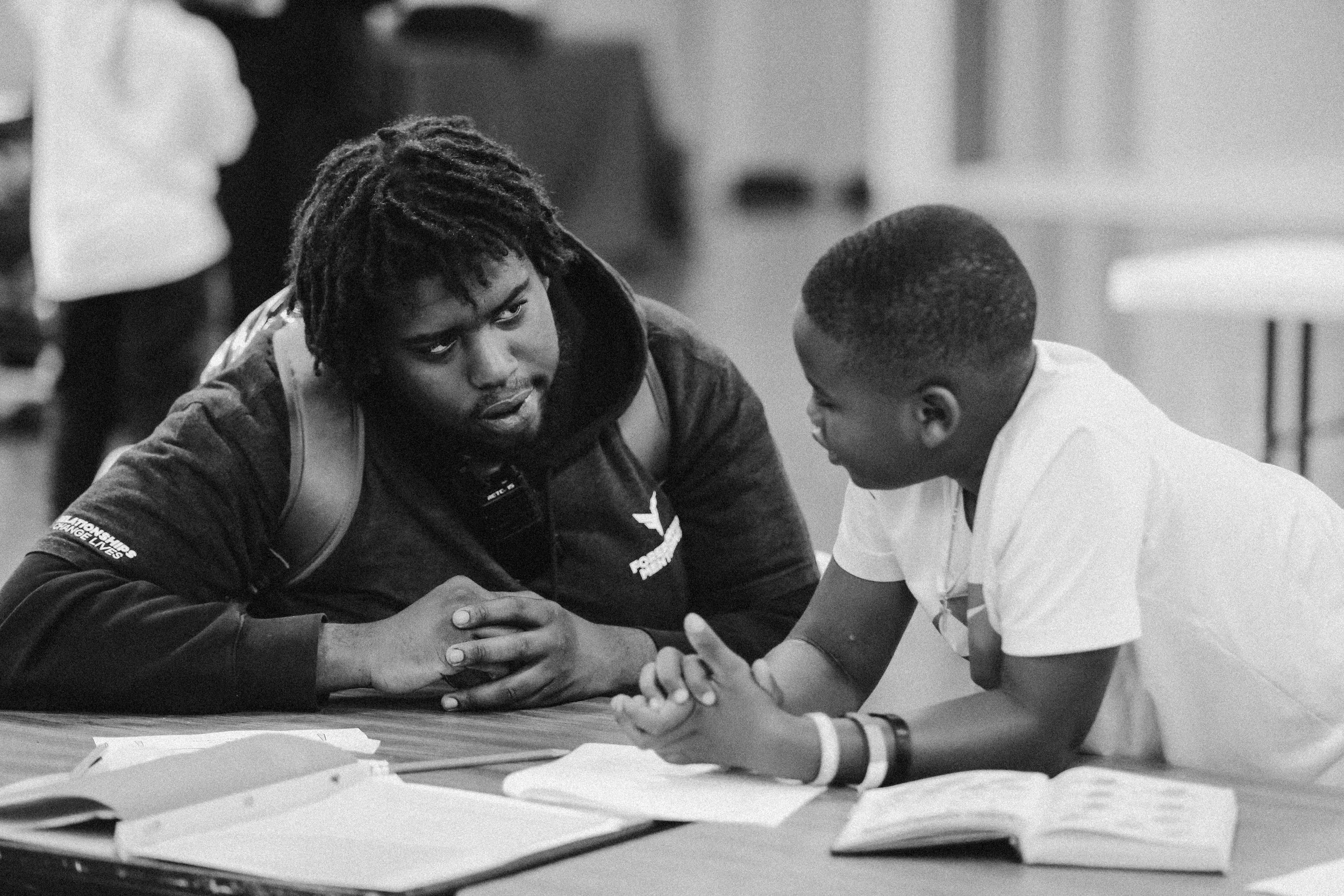
“Everybody is waiting for me to mess up again,” Isaiah said, and then he looked out the passenger window like he had already said too much.
We were parked outside his house after what should have been a normal evening. We had grabbed tacos, talked about a game from the night before, laughed about a guy in line who ordered with way too much confidence, and then somehow the conversation got quiet.
The engine was off. The porch light across the street flickered on. Isaiah kept tapping his fingers against his knee, fast at first, then slower, like he was trying to decide whether the sentence could be taken back.
I felt the urge to correct it immediately. I wanted to say, “That is not true,” or, “People care about you,” or, “You are being too hard on yourself.” Those responses would have come from a good place, but they would have rushed past what he had finally trusted me enough to say.
So I stayed quiet for a breath longer than felt natural. Then I said, “That sounds exhausting.”
Isaiah nodded, still looking out the window. His shoulders dropped a little, and the air in the car changed. Nothing got fixed that night, but something important happened.
He was not being managed. He was being seen.
The Trap of Chasing Big Moments
I used to believe mentoring impact came through big moments. I wanted the deep conversation, the perfect activity, the strong challenge, the emotional breakthrough, and the kind of story that would sound good later.
That desire can sneak into the relationship without me noticing. I start thinking about what I can produce, what I can say, and how I can create a moment that moves the kid forward.
Kids can feel that pressure. They may not have the words for it, but they know when an adult is trying to make something happen to them instead of simply being with them.
When mentoring becomes about manufacturing moments, the young person can start to feel like a project. I may still care deeply, but my focus drifts away from their pace and lands on my need to feel effective.
Isaiah did not need a crafted moment in the car. He needed a mentor who could sit still long enough to let the honest sentence breathe.
Presence Builds What Programs Cannot
Programs matter. Events matter. Curriculum, gatherings, activities, and structure all have a place in mentoring. I believe in those things, and I have given much of my life to building them.
But the deepest trust often grows in the quieter places. It grows in the car after the activity, during errands, on the sidewalk before drop-off, or over a meal where nobody is trying to make the conversation impressive.
Those places carry a different kind of weight because the pressure is lower. The kid can relax, observe, test, and decide whether the relationship is safe.
Isaiah did not open up because I had the perfect discussion guide. He opened up because we had spent months doing ordinary things together, and those ordinary things had slowly become evidence.
I picked him up when I said I would. I remembered details. I corrected him without humiliating him. I came back after awkward moments.
Trust was being built long before he spoke the sentence that mattered.
Nets Gather, Hooks Go Deep
There is a difference between wide reach and deep investment. Both matter, but they do different things.
A net gathers people. A gathering, event, class, or group experience can create access and opportunity. Many kids need those spaces because they open the door to connection.
A hook is personal. It moves slowly, waits patiently, and goes beneath the surface with one young person at a time.
I have had seasons where I felt more comfortable casting nets because broad impact is easier to measure. More kids in a room looks like progress. More names on a list feels encouraging.
But some of the deepest change happens through hook work, which means patient investment in fewer people. That work can feel slow because it often lacks visible proof.
Still, one steady adult can change the way a young person sees relationships, himself, and God. That kind of impact usually grows through repeated presence over time.
Truth Without Leaving
One reason Isaiah eventually spoke honestly was that he had seen me stay after hard moments. I had corrected him before, and I had come back afterward.
That matters because many kids believe truth leads to distance. They expect adults to correct, criticize, and then pull away emotionally.
Healthy mentoring gives a different picture. Truth and presence can live together.
I can say, “That choice was wrong,” while also saying, “I am still here.” I can help a young person face consequences without making the relationship feel threatened.
Isaiah needed accountability. He also needed to know accountability was not rejection.
When a mentor gives truth and then stays, the young person begins to learn that honesty can happen inside safety. That lesson is rare for many kids from hard places, and it creates room for growth.
Believe Before They Can
Isaiah carried a story about himself. He believed people expected him to fail, and that belief shaped how he walked into rooms.
If a teacher corrected him, he heard, “Here we go again.” If a coach challenged him, he heard, “They already think I am a problem.” If I asked a hard question, he sometimes heard accusation before I ever finished speaking.
That is why belief matters in mentoring. A mentor often has to hold a better picture of the young person before the young person can hold it for themselves.
This does not mean pretending the problems are small. Isaiah had made real mistakes, and some of them brought real consequences.
But his mistakes were not the whole story. I needed to speak to the young man God was forming, even while addressing the choices that needed to change.
Sometimes mentoring means lending someone your belief until they can carry it themselves. You say, “I see courage in you,” enough times that one day they consider it might be true.
Errands Can Become Holy Ground
Some of the best mentoring conversations I have had were never scheduled as mentoring conversations. They happened while driving to Walmart, waiting for food, filling up with gas, or dropping something off at church.
Unstructured time lowers the temperature. A young person does not feel like every word is being evaluated, and the conversation can arrive when they are ready.
With Isaiah, errands became a rhythm. He helped me pick up supplies one week, rode with me to deliver something the next, and joined me for a quick stop that turned into thirty minutes of talking.
Those moments gave him a chance to see normal life up close. He watched how I treated cashiers, how I handled frustration in traffic, how I talked about my family, and how I apologized when I got short.
Mentoring is always teaching, even when nobody is sitting down for a lesson. More is caught than taught, and ordinary life gives kids a front-row seat to what we believe.
The First Reaction Matters
When Isaiah shared the sentence about everyone waiting for him to mess up, my first reaction mattered. If I had panicked, corrected too fast, or turned it into a lecture, he probably would have closed the door.
Kids are always measuring whether honesty is safe. They watch our face, tone, posture, and pace.
If my first response communicates shock, shame, or urgency to fix, I may teach them to hide the deeper things. If my first response communicates calm attention, I create space for more truth.
That does not mean I avoid hard truth. It means I sequence it wisely.
First, I honor the courage it took to speak. Then I listen for what is beneath the words. After that, I can ask questions, offer truth, and help them take a next step.
In the car, the next step was simple. Isaiah needed someone to acknowledge the weight before trying to lift it.
Small Signals of Trust
Trust usually shows up in small signals before it shows up in big honesty. A kid stays a little longer before going inside. A text gets answered faster than usual. A joke becomes a real question. A shrug turns into a sentence.
Those moments may look minor, but they are often signs of movement.
With Isaiah, I noticed he stopped rushing out of the car as quickly. He started asking where we were going next week. He remembered things I had said and brought them back up later.
None of those moments would have sounded impressive in a report, but they mattered. They told me that the relationship was becoming steadier in his mind.
Mentors need eyes for small faithfulness and small openings. If we only value dramatic change, we will miss the quiet growth happening right in front of us.
Practices for Steady Mentoring
Start with ordinary time
Build trust through normal life, simple meals, errands, games, walks, and rides. Do not place the full weight of the relationship on one planned conversation.
Affirm before correction
Name what is good, true, and growing in the young person. When correction comes inside a relationship where dignity is already being spoken, it lands with less shame.
Stay calm when honesty arrives
When a young person shares something heavy, take a breath before responding. Say something that communicates safety, such as, “I am really glad you told me.”
Walk through accountability together
When consequences come, stay engaged. Help the young person think through repair, responsibility, and next steps without communicating that your care has ended.
Speak belief consistently
Tell the young person what you see forming in them. Use specific words that connect to character, faith, courage, kindness, leadership, or perseverance.
Choose depth where God invites it
You cannot go deep with everyone in the same way. Pay attention to the relationships where God may be asking you to slow down and invest with greater patience.
The Sentence Changed Later
A few months after that night in the car, Isaiah had another hard week. He got into trouble at school, and several adults were frustrated with him.
I picked him up after practice, expecting him to be guarded. He climbed in, shut the door, and said, “I messed up, but I know that is not all I am.”
I looked over at him and nodded because I did not want to make the moment bigger than he could handle. Inside, I was thanking God.
That sentence had a different sound. He was still owning the mistake, but he was no longer letting the mistake become his name.
That kind of growth cannot be forced in one moment. It grows through presence, truth, belief, correction, prayer, and time.
Isaiah still needed guidance. He still had consequences to face. But he was beginning to carry a better story about himself.
Stay Long Enough for Trust to Speak
Mentoring is both simpler and harder than I once thought. It is simpler because it often comes down to showing up, listening well, telling the truth, believing deeply, and staying consistent.
It is harder because those things require patience when progress is slow. They require me to stop chasing moments that make me feel successful and start building trust that may not show up for months.
Kids from hard places do not need mentors who can produce a perfect experience. They need mentors who are steady enough to remain present in ordinary life and honest enough to tell the truth without leaving.
Isaiah did not need me to fix his sentence that night. He needed me to hear it, hold it, and keep walking with him until a better sentence could grow.
That is the long work of mentoring. We become steady witnesses to God’s grace in the life of a young person, and over time, by His mercy, trust begins to speak.
Discussion Questions
Where are you tempted to chase a big mentoring moment instead of building trust through ordinary presence?
What is one small signal of trust you may be overlooking in your current mentoring relationship?
How can you respond with calm presence the next time your mentee shares something heavy or unexpected?
