
Why the Invitation to Mentor Is Open
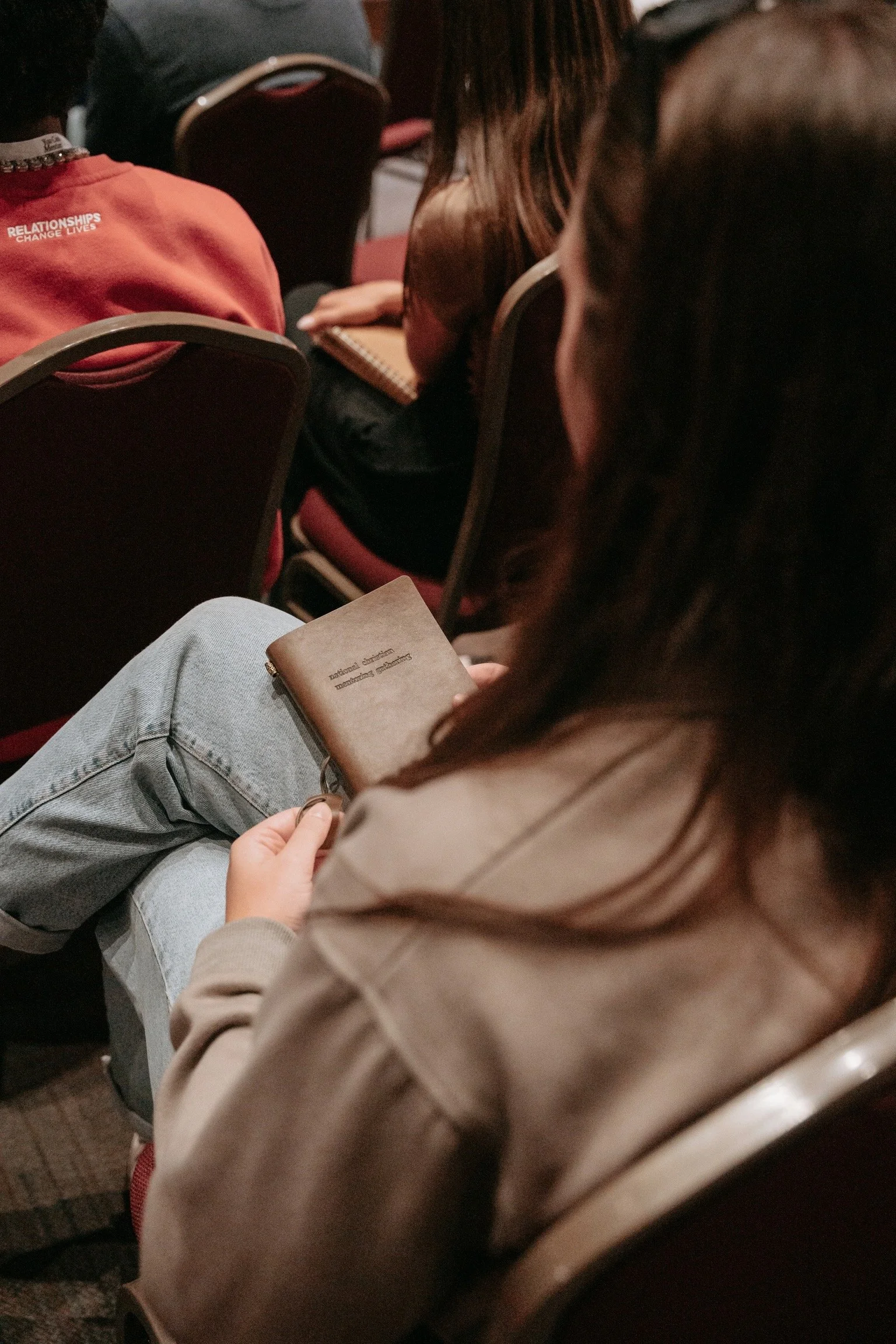
My hand stayed on the door handle long enough for me to feel embarrassed, even though nobody could see me yet. I could hear voices inside the room, low conversation, a quick laugh, the scrape of a chair, the normal sounds of people already belonging somewhere.
I had told myself I was going to walk in. I had cleared the time, moved a few things around, and even thought through what I might say when I got there.
Then I stood outside the door and started making a case for leaving.
I was tired. The day had been full. My family needed me. There were emails waiting, dishes at home, texts unanswered, and enough responsibilities to make turning around feel mature instead of afraid.
That is how avoidance often talks. It does not always sound selfish. Sometimes it sounds responsible, reasonable, and even wise.
I stood there long enough to admit the truth. I was not waiting for a better plan. I was waiting to feel ready.
Finally, I pushed the door open.
A few kids glanced up, then went right back to what they were doing. One boy, Callum, leaned back in his seat with his hood up and watched me for half a second longer than everyone else.
I walked over, introduced myself, and sat down like I had done something simple. But I knew the biggest step had already happened before I said a word.
I had walked through the door.
Good Things Can Crowd Out Great Things
Most of us are not avoiding purpose because we are doing terrible things. We are busy doing good things.
We are working, paying bills, raising kids, serving at church, helping friends, answering messages, trying to stay healthy, and keeping life moving. The calendar fills with things that matter, and before long, the call to invest relationally gets pushed into some future version of life that seems easier.
I have said it many ways. I will mentor when the season slows down. I will give more time when my kids are older. I will step into something meaningful when I feel more equipped.
The problem is that life rarely clears the runway for purpose. There is usually no perfect season where energy is high, schedules are open, and obedience feels convenient.
Purpose often comes to us in the middle of the life we already have. It knocks while dinner is being made, while work is heavy, while home needs attention, and while we feel less prepared than we wish.
If I keep waiting for my life to become less full, I may miss the very people God is inviting me to love now.
The Door Reveals the Battle
That door taught me something about my own heart. The real battle was not outside the room. It was inside me.
I wanted to care, but I did not want to be inconvenienced. I wanted to make a difference, but I did not want the uncertainty that comes with relationships.
I wanted purpose to feel inspiring before it asked anything from me. Instead, it showed up as a room full of kids who did not know me and a boy in a hood who looked like he had already decided I would not last.
The edge of obedience often feels like hesitation. That tension does not mean I should turn around. It may mean I am standing near something God wants to use.
Courage is often smaller than we think. Sometimes it looks like opening a door after a long day and sitting down with a kid who may not care that you came.
Callum Did Not Need a Hero
Callum barely spoke the first night. I asked his name, his grade, and what he liked to do, and he gave me answers short enough to end the conversation quickly.
I could have taken that personally. I could have decided he was uninterested, rude, or not ready.
But kids from hard places often meet new adults with caution. They have seen people make big entrances and quiet exits.
Callum did not need me to impress him that night. He needed me to return.
So I came back the next week. Then the next one.
Some weeks we talked. Some weeks we barely got past sports, snacks, and whatever had happened at school.
It did not feel dramatic. It felt ordinary, and sometimes ordinary can feel disappointing when you hoped purpose would feel bigger.
But the kingdom of God often grows through small faithfulness. A seed in the ground does not look like much at first, but hidden work still counts.
Purpose Is People Over Comfort
I have come to believe purpose is not discovered when life becomes convenient. Purpose is stepped into when I choose people over comfort in real life.
That does not mean I ignore my family, neglect my health, or say yes to everything. Healthy obedience still has limits, wisdom, and order.
But it does mean I stop treating comfort as the highest authority. Comfort usually asks, “What will this cost me?” Love asks a better question: “Who might be waiting for someone to show up?”
There are kids in every community who need steady adults. They do not need perfect mentors with open calendars and flawless spiritual lives.
They need people willing to enter the room, learn their names, keep showing up, and let God use their ordinary presence.
Purpose becomes clearer as we move. I rarely feel fully ready before I obey. Readiness often grows after the first step.
Your Story May Be a Clue
When I first noticed Callum, something in me recognized him. I did not know his story yet, but I knew the look.
It was the look of a kid trying to decide whether being noticed was worth the risk. It was the posture of someone who would rather appear uninterested than be disappointed again.
That stirred something in me because it touched parts of my own story. I know what it feels like to wonder who sees you, who will stay, and whether your life matters to someone.
Our pain does not make us experts. But it can give us empathy.
Sometimes the places where we have needed help become the places where God invites us to offer help. The ache does not disappear, but God can redeem it by turning it outward in love.
This is one reason mentoring matters so deeply to me. I was changed by the presence of adults who stepped toward me, and now I get to step toward others.
That is grace. God wastes nothing.
Stop Waiting for a Lightning Bolt
Many people miss purpose because they expect it to arrive dramatically. They imagine a clear voice, a major sign, a perfect opportunity, or an overwhelming sense of confidence.
Most mentoring invitations are quieter than that. A name comes to mind. A need stirs your heart. A leader asks for help. A kid keeps showing up in your path.
The question is rarely whether opportunities exist. The question is whether I am willing to respond to the one in front of me.
Callum was not a lightning bolt. He was a kid in a room who barely wanted to talk.
But over time, he became a person I cared about deeply. He became someone I prayed for, laughed with, challenged, and learned from.
Purpose often begins with a person, not a plan. It begins when I stop asking for a more inspiring assignment and start becoming faithful with the assignment God has already placed nearby.
The Cost of Staying Disengaged
We often overestimate the cost of showing up and underestimate the cost of staying disengaged. We think mentoring will drain us, stretch us, and complicate our lives.
It may do all of that sometimes. Relationships are never completely tidy.
But living mainly for ourselves drains us too. Comfort can shrink the soul slowly.
A life organized around protecting my time, preferences, and convenience can look responsible on the outside while becoming small on the inside. I can be productive and still miss people.
Mentoring has stretched me, but it has also softened me. It has made me more patient, more prayerful, and more aware of what God is doing outside my own concerns.
When I spend my life on behalf of others, I do not lose meaning. I find a deeper kind of meaning than comfort can give.
Ordinary Faithfulness Counts
The first month with Callum did not feel like success. He did not open up quickly, ask deep questions, or show much excitement when I walked in.
But he noticed. Kids often notice more than they reveal.
He noticed when I came back. He noticed when I remembered his team. He noticed when I did not overreact to his sarcasm.
One night, after several weeks, he asked, “You come every Thursday?” I said, “That is the plan.”
He nodded and looked away. That was all.
But that small question told me he was building a file on me. He was trying to decide if I was steady.
A few weeks later, he saved me a seat at the table. He did not announce it or make a big deal out of it.
He just moved his backpack from the chair next to him when I walked in. That was his way of saying, “You can sit here.”
That was purpose, quiet and holy.
One Commitment Beats Constant Negotiation
One practical lesson I have learned is to choose one clear commitment. Vague desire rarely survives a busy life.
If I have to decide every week whether I am going to show up, I will eventually lose the argument to tiredness. But when the decision is already made, obedience becomes simpler.
For me, that might mean one place, one time, one group, or one kid. I do not need to overhaul my entire life to begin living with purpose.
I need to take one faithful step and build a rhythm around it. Rhythm removes some of the emotional negotiation.
It says, “This matters, so I made room for it.” Over time, that room becomes a place where relationships can grow.
Practices for Stepping Into Purpose
Name what keeps you outside
Be honest about the distractions, fears, and comforts that make you hesitate. Naming them helps you see the difference between wisdom and avoidance.
Pay attention to what moves you
Notice the needs, people, and stories that stir your heart. God may be using your response to point you toward a place of service.
Choose one steady commitment
Start with one clear rhythm you can keep. Consistency over time will usually matter more than intensity at the beginning.
Lower the pressure to feel ready
Do not wait until you feel confident. Faithfulness often begins before confidence arrives.
Watch for small signs
Look for tiny moments of trust, a longer answer, a saved seat, a remembered detail, or a young person who stays nearby. Small signs matter.
Let your life be reoriented
Purpose will change how you spend time, energy, attention, and prayer. Let those changes form you instead of resisting them.
Callum Opened the Door Later
Months after that first night, I walked toward the same building and saw Callum standing outside. He had beaten me there.
He was leaning against the wall, scrolling on his phone, acting like he had no particular reason to be waiting near the entrance. When I got close, he pushed the door open and held it for me.
“Come on,” he said. “They already started.”
I almost laughed because he had no idea how much that meant to me. The kid who once watched me walk in like an outsider was now holding the door.
That is how purpose works sometimes. You step into a room because you sense God asking you to show up, and over time, the room changes you too.
I had gone there thinking I was giving my time away. God used that time to form me.
He made me more attentive, more patient, more willing to see purpose in ordinary places. He reminded me that meaningful work often begins with a small yes.
The Invitation Is Already Near
I do not think most of us need more information about purpose. We need the courage to respond to the invitation already in front of us.
There is likely a door somewhere in your life. It may lead to a mentoring program, a classroom, a church youth room, a neighborhood, a school event, or a relationship that keeps tugging at your heart.
You may have good reasons to hesitate. Some of those reasons may be real and worth honoring.
But do not let comfort disguise itself as wisdom forever. Do not wait for a perfect season that may never come.
Ask God what faithful obedience looks like in the life you actually have. Then take the next step.
Walk through the door. Learn the name.
Sit down without trying to make the moment bigger than it is. Come back again.
Purpose may be waiting on the other side, wearing a hoodie, saying very little, and wondering if you will stay.
Discussion Questions
What reason do you most often use to stay outside the door of meaningful relational investment?
Where does your own story connect with a need you see around you, and how might God be inviting you to respond?
What is one clear commitment you can make this month that would move purpose from an idea into action?
