
How to Mentor Faithfully With What You Already Have
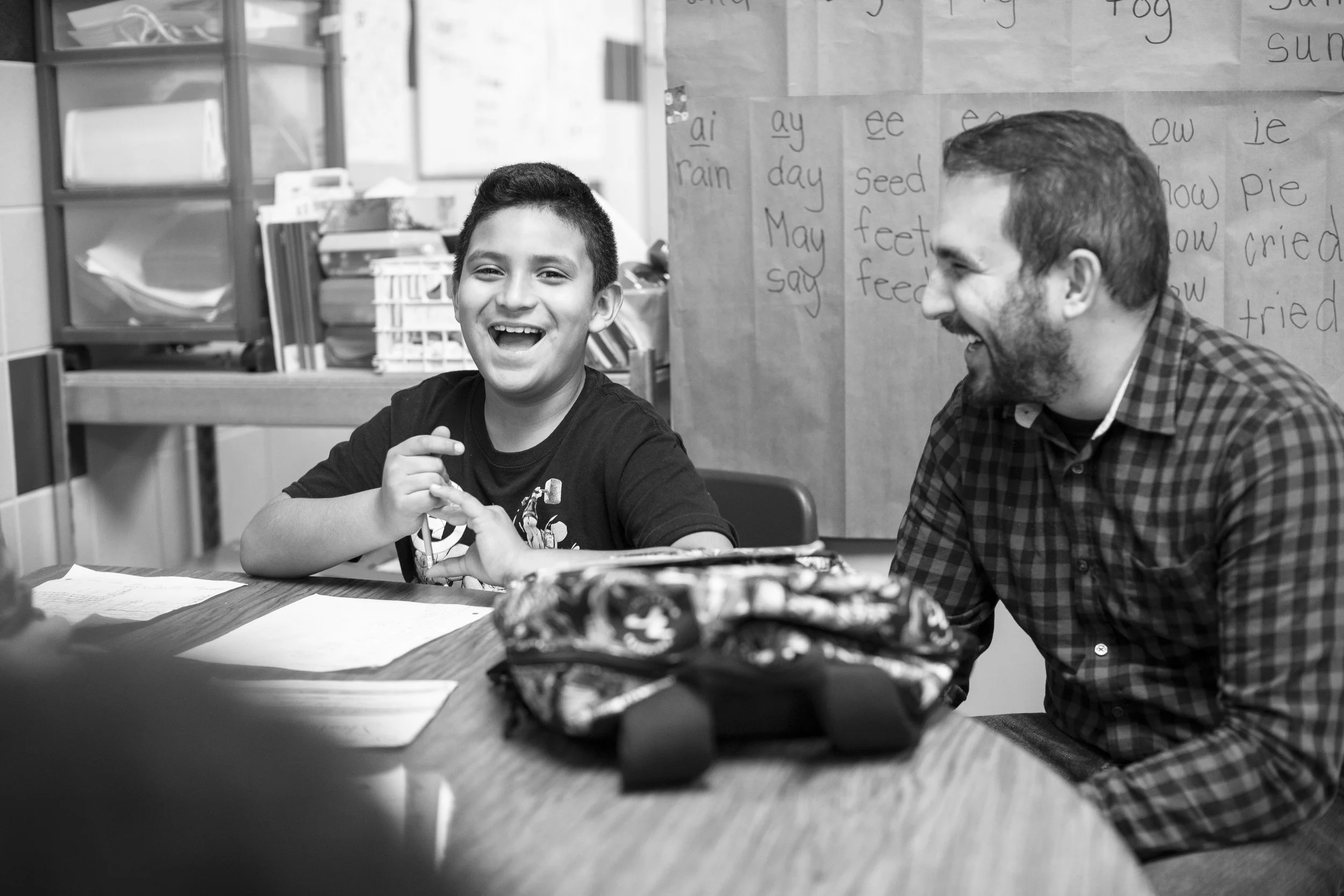
The fries got cold before the conversation got warm. I remember staring at the little paper basket between us, trying to act relaxed while my mind kept reaching for something important to say.
Across from me sat Tremaine, a high school sophomore who had perfected the art of answering questions with as few syllables as possible. I asked about school. “Fine.” I asked about practice. “Good.” I asked about home. “Same.” Then he looked at his phone, not rudely, but hopefully, like maybe somebody would text him and rescue us both from the silence.
I had driven across town for this meal. I had prayed in the car. I had imagined some deep moment where he would open up and I would know exactly why God had me there.
Instead, we were two people sitting across from each other, eating burgers, saying almost nothing. I felt awkward, ineffective, and a little embarrassed by how badly I wanted the lunch to feel meaningful. Then Tremaine reached for another fry and asked, “Are we doing this again next week?”
That sentence changed the whole meal for me. I had been measuring the moment by the depth of the conversation. Tremaine was measuring it by whether I would come back.
The Pressure to Bring Something Big
A lot of mentors never start because they think they need to bring something impressive to the table. They assume mentoring requires the perfect words, a strong plan, a big personality, or a dramatic story.
I get that. I have felt that pressure too.
I have sat across from kids wondering if I was qualified, if I was connecting, if I was wasting time, or if someone else would be better at this. The silence felt like failure because I thought the relationship needed to feel productive right away.
That belief can keep good people on the sidelines. It can also make active mentors turn relationships into performances.
We start trying to manufacture meaningful moments. We overthink every conversation. We look for quick evidence that our presence matters, and when that evidence does not show up, we get discouraged.
Faithfulness Beats Flash
The longer I mentor, the more convinced I am that kids do not need impressive mentors. They need faithful ones.
Presence builds trust. Trust opens the door for truth. Truth, repeated over time, begins to shape a life.
That process is usually slower than I want. It often looks like meals, car rides, games, walks, silence, and ordinary questions that do not seem important until much later.
A young person from a hard place may not be waiting for my best insight. He may be waiting to see whether I will still show up after a boring lunch.
That is freeing because it lowers the pressure. It also raises the commitment.
Mentoring is simple in concept and costly in practice. Show up. Pay attention. Keep coming back. Love the kid in front of you without needing every meeting to feel significant.
Michael Said Yes Before He Felt Ready
I think about a mentor named Michael who did not set out to mentor high school boys. From what I remember, he even admitted that age group was not his natural preference.
But a need was placed in front of him, and he said yes. He did not begin with a polished strategy or a full curriculum.
He noticed a few boys who seemed isolated, then built a rhythm around them. Once a week, he picked them up, took them to a restaurant, and spent time with them.
They ate. They talked about ordinary things. They repeated the same rhythm the next week.
That sounds almost too simple, but simple rhythms can carry deep formation. A weekly meal becomes a place of stability. A restaurant booth becomes a place where a young person learns what consistent adult attention feels like.
Michael could have overbuilt it. He could have turned it into a program before the relationship could hold it. Instead, he stayed with what was working: food, time, attention, and repetition.
Rhythm Creates Safety
Kids who have lived with instability often need predictability before they can receive depth. A repeated rhythm can become a quiet shelter.
Same day. Same pickup. Same meal. Same adult. Same message: you matter enough for me to return.
Tremaine did not ask for a lesson that first lunch. He asked if we were doing it again next week because the repeat mattered.
Predictability helps a young person stop spending all his energy wondering what the relationship is. Once he knows the rhythm, he can begin to relax inside it.
That is when more honest conversations often begin. Depth usually grows after safety, not before it.
Listen for the Bid
Most kids do not announce their deepest needs clearly. They drop clues.
A joke that feels heavier than the rest. A passing comment about home. A quick mention of a fight, a fear, a coach, a teacher, or a parent.
These small clues are what I call bids. They are invitations to pay attention.
If I am too focused on my agenda, I will miss them. If I am trying to create my own meaningful moment, I may overlook the one the kid is already offering.
Tremaine once said, “My mom works late most nights,” and then immediately changed the subject to basketball. Early on, I might have let that pass. That day, I said, “So who is usually home when you get there?”
He shrugged, but he answered. That little question opened a door into his real life.
The bid was small. The story behind it was not.
Ordinary Does Not Mean Empty
Some mentoring moments feel painfully normal. You eat food. You talk about sports. You laugh at something dumb.
You sit in traffic. You throw a football. You hear about a video game you do not care about and try to ask one honest question anyway.
That does not mean nothing is happening. Ordinary time can be the container where trust grows.
I used to think the meaningful moments would announce themselves with emotion and clarity. Sometimes they do, but more often, meaning gathers slowly through repeated presence.
A young person begins to believe, “This adult knows me. This adult remembers. This adult does not seem to be in a rush.” That belief can become the foundation for everything else.
Do Not Make It Too Official Too Fast
There is a temptation to make mentoring look more legitimate from the outside. We want a structure, a name, a plan, a format, and a measurable outcome.
Those things can be helpful at the right time. But if we add too much too soon, we can smother the relationship.
Some relationships need a booth and a burger before they need a lesson plan. Some kids need a safe ride before they need a deep question. Some boys need eight weeks of ordinary before they are ready to tell the truth.
The goal is not to avoid purpose. The goal is to let trust carry the purpose when it arrives.
If the relationship is working through a simple rhythm, protect it. Do not ruin what is alive by trying to make it look more impressive.
Begin With a Season
One reason people avoid mentoring is that the future feels too big. They picture years of commitment and immediately feel overwhelmed.
I have found it helpful to begin with a defined season. Can you commit to eight weeks? Can you share a meal once a week for two months? Can you pick one student up after practice through the end of the semester?
A defined season lowers the barrier to obedience. It gives the mentor a clear yes and gives the relationship space to begin.
Many long-term relationships start with a short, faithful commitment. Clarity comes as you walk, not always before you begin.
Shared Space Lowers Pressure
Restaurants, car rides, games, errands, and meals can lower pressure because the relationship does not have to carry constant eye contact and heavy conversation. A kid can talk while looking out the window.
He can share something serious between bites of food. He can test honesty, then retreat to talking about the fries.
That kind of space helps because many kids do not open up well under direct attention. They need side-by-side moments where the conversation can breathe.
A shared environment gives both people something to do while trust develops. The activity is not the point, but it helps create the room where the point can eventually surface.
Invite Others Without Complicating It
Mentoring does not have to be a solo effort. At the right time, parents, caregivers, peers, and other trusted adults can strengthen the relationship.
This does not mean building a large system around every interaction. It can be simple.
Text the parent after the meal. Ask a caregiver how the week is going. Invite another mentor and mentee to join once in a while.
Let the young person see healthy community, not just one adult relationship. A broader circle can reinforce the same message: you are seen, known, and worth showing up for.
Practices for Simple Mentoring
Commit to one clear rhythm
Choose one repeatable time, place, or activity. Protect it until the young person can count on it.
Start with eight weeks
Do not let the weight of a long future keep you from saying yes now. Make a clear commitment and follow through.
Let ordinary moments count
Do not judge the time only by depth of conversation. A quiet meal can still build trust.
Watch for bids
Pay attention to small comments that may carry more weight. Circle back gently when something sounds significant.
Keep the format light
Avoid adding too much structure before trust is ready for it. Let the relationship grow inside a simple rhythm.
Follow up because you listened
Remember what they said and ask about it later. Being remembered can speak louder than a lesson.
The Text Came Years Later
The most encouraging part of stories like Michael’s is that the fruit often shows up later. Years later, a message comes in.
A young man remembers the meals. He remembers being picked up. He remembers that someone made room for him when he felt alone.
That is both humbling and freeing. I may not see the full impact while I am living it.
The lunch that feels awkward may matter more than I know. The ride that feels quiet may be building trust.
Just Show Up Again
Mentoring does not require me to be impressive. It requires me to be faithful.
The kid across the table does not need me to perform. He needs me to stay present, listen well, and come back.
That first lunch with Tremaine did not feel successful to me. The fries got cold, the answers stayed short, and the silence felt too loud.
But he asked about next week, and that was the invitation. He was not asking for brilliance. He was asking for return.
So keep it simple. Pick the kid up. Buy the burger. Ask the question. Let the silence breathe. Watch for the bid. Come back next week. God can use ordinary faithfulness to build something that lasts.
Discussion Questions
Where do you feel pressure to be impressive instead of simply being faithful?
What simple rhythm could you commit to for the next eight weeks?
What small bid from your mentee might be worth circling back to this week?
