
Many Ways to Mentor, One Purpose That Matters
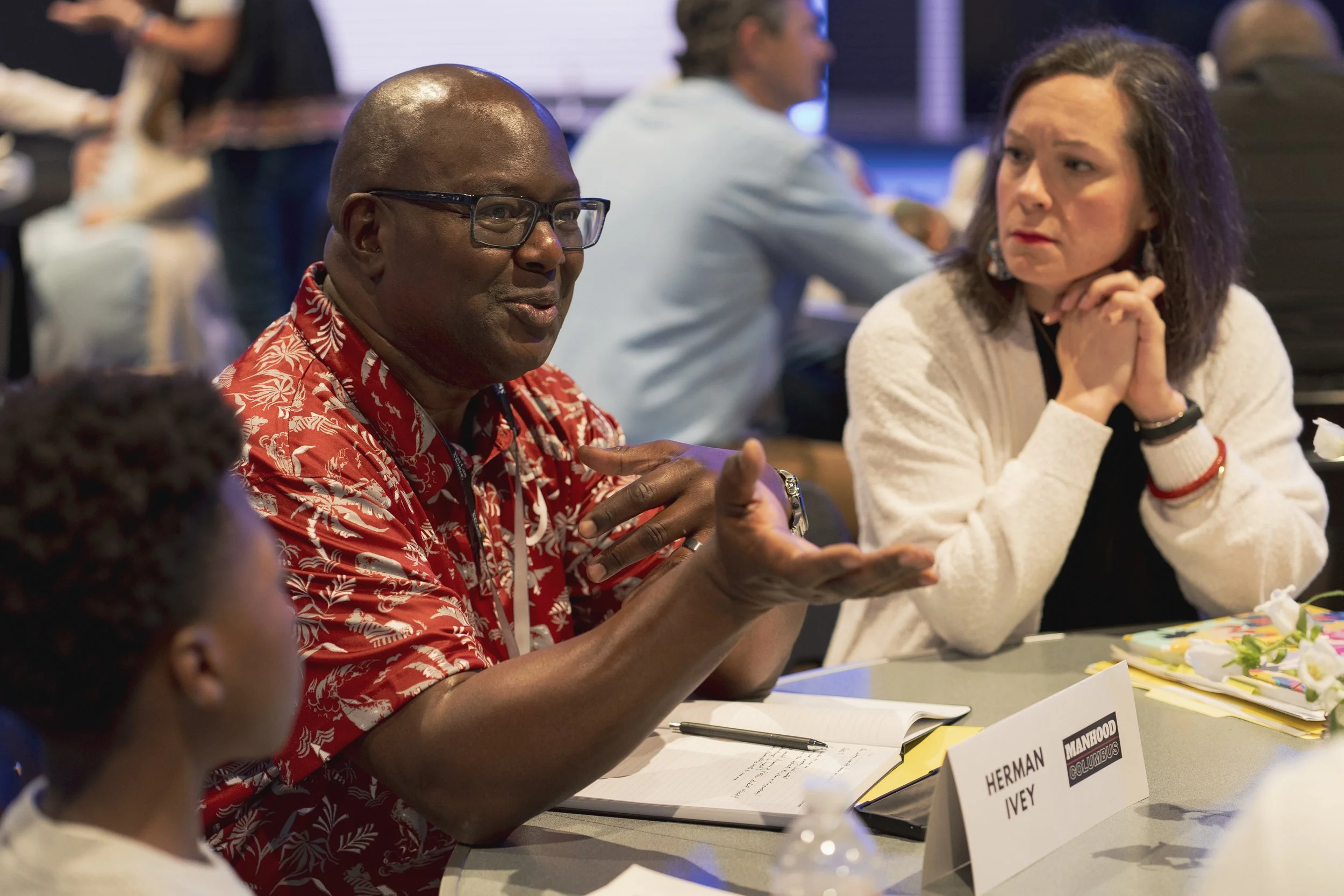
Jalen kept his headphones in for the entire van ride, but I could tell nothing was playing. Every few minutes he tapped one ear like he was adjusting the sound, yet the cord hung loose against his hoodie pocket.
I tried once to ask what kind of music he liked. He pointed at his ear, gave me a half smile that said he had found a polite escape, and turned back toward the window.
When we pulled up to the gym, everyone else spilled out fast. Boys laughed, shoved bags over shoulders, and raced each other to the door like the night had already started without them.
Jalen stayed seated until the van was quiet. I stood outside with the keys still in my hand, trying to decide if I should say something or let him be.
Part of me wanted to create a moment. Ask a better question. Break through the silence.
But the longer I watched him, the more I realized the one-on-one setup was making him feel trapped. He did not need more attention from me in that moment. He needed less pressure.
So I said, “Pizza is inside when you’re ready,” and walked toward the gym. Thirty seconds later, he followed.
That was the first lesson Jalen taught me: sometimes the model I prefer is not the pathway a kid needs. If I missed that, I would keep trying to mentor him in a way that made him smaller.
The Model Can Become the Master
Mentoring leaders love models. One-on-one mentoring. Small group mentoring. Team mentoring. Structured programs. Organic relationships.
Models are not bad. A good model gives shape to good intentions and helps people move from theory to action.
The problem begins when the model becomes the mission. I start measuring the young person by how well they fit the format instead of asking what the format is doing to the young person.
Some people treat one-on-one mentoring as the highest form of discipleship. Others prefer groups because they are easier to scale and feel more natural for kids.
Still others lean on structured programs because training, safety, and accountability matter. Each of those instincts can be right in the right season.
But no model is holy enough to replace paying attention. The kid in front of me matters more than the structure I planned.
Ask What This Kid Needs
The better question is not, “Which model is best?” The better question is, “What does this kid need right now?”
That question forces me to slow down. It makes me observe before I prescribe.
Jalen did not open up in the van. He became smaller. The direct attention made him retreat.
Inside the gym, everything changed. He sat at a table with three other boys, ate cheap pizza, and watched the conversation move around him.
Nobody was staring at him. Nobody was waiting for him to carry the moment.
After a while, one boy told a story about getting in trouble at school. Jalen laughed quietly, then leaned in.
That laugh was more connection than anything I had gotten in the van. The group gave him a way to belong before he had to be known.
Belonging Can Come Before Depth
Some kids need a group before they need a mentor across the table. A group gives them cover.
They can observe, listen, laugh, and participate in small ways without feeling exposed. They can learn the culture of the space before taking the risk of being known.
For kids who have been disappointed by adults, that matters. They may need to see how the mentor treats others before deciding how close to get.
In a group, Jalen could gather evidence without being the focus. He watched how I responded to jokes, mistakes, interruptions, and honest comments from other boys.
He learned the relationship was not a spotlight. It was a community.
Eventually, the one-on-one conversations came. But they came later, after the group had done its work.
Some Kids Need the Quiet Table
I have also seen the opposite. Some young people feel lost in a group.
They have questions they will never ask in front of peers. They carry grief, doubt, family stress, or shame that needs privacy before it can be named.
A small group might help them belong, but it may not give them enough room to be honest. For those students, a consistent one-on-one rhythm can be the gift.
A restaurant table, a weekly walk, or a ride home can create space for the kind of conversation that needs fewer voices around it. Mentoring requires discernment because kids are different, and the same kid may need different things in different seasons.
A model that helped last month may limit next month. Flexibility is not failure. It is attention.
Structure Still Matters
Being flexible does not mean structure is unnecessary. Churches, schools, after-school programs, and mentoring organizations provide support that individual relationships often cannot carry alone.
They train mentors, create safety, offer accountability, and help when situations become complicated. They also provide continuity when one adult is sick, traveling, overwhelmed, or unsure what to do next.
I used to think of structure as separate from relationship. Now I see healthy structure as a way to protect relationship.
The danger comes when the structure stops serving people and starts serving itself. The question stays the same: is this helping the young person receive care and belonging?
God Uses More Than One Pathway
My own story was shaped by more than one kind of influence. There were group settings that gave me belonging.
There were structured environments that kept me connected when life felt unstable. There were one-on-one conversations that marked me in ways I still remember.
God did not limit Himself to one method. He used people, rooms, meals, trips, teams, sermons, questions, and quiet moments.
I may plant something another person waters. I may water something planted years before I arrived. God gives the growth.
That truth frees me from trying to be everything. It keeps me from judging another faithful approach that does not look like mine.
Pay Attention to Natural Engagement
Person-centered mentoring begins with observation. How does the young person naturally engage?
Do they come alive in a group or disappear in one? Do they speak more in the car, at a table, during a game, or while doing a task?
Do they initiate connection, or do they wait for invitation? Do they need movement, quiet, humor, structure, space, or direct attention?
This observation is part of the work. With Jalen, I learned that direct questions too early made him withdraw.
But stories from other boys helped him relax. So I stopped treating silence in the van as failure and started using group connection as the doorway.
Lower the First Step
A young person may not be ready for deep mentoring, but they may be ready for pizza with other boys. They may not be ready to talk about faith, but they may be ready to sit in the room while others do.
They may not be ready for a weekly one-on-one commitment, but they may be ready to help set up materials, keep score, or ride along. Those smaller steps still count, because they are steps toward trust.
Lowering the first step does not lower the goal. It creates a path into the goal.
Some kids need to belong before they can engage. If the first step requires too much vulnerability, they may never take it.
Adjust Without Panicking
Sometimes a mentoring approach is not working. That does not mean the mentor failed.
It may mean the relationship is giving you information. Pay attention.
If one-on-one time feels like pressure, try a group setting or side-by-side activity. If the group never allows honesty, add individual time.
If the lesson is not landing, create a shared experience first. If the relationship is all fun with no depth, gently add reflection and truth.
Do not panic when something needs to shift. Adjusting can be a sign of care.
The goal is not to protect the original plan. The goal is to serve the young person well.
Bring Other Voices In
One of the healthiest things a mentor can remember is this: I am not the only voice God can use. That is good news.
Jalen needed the other boys at the table. Their laughter made the room safer.
Their honesty helped him risk honesty later. Their presence did something my direct attention could not do yet.
Sometimes a mentee needs another mentor, a coach, a pastor, a counselor, a teacher, or a peer group. A mature mentor does not become possessive.
We celebrate every faithful voice God uses. The young person’s growth matters more than my role being central.
Practices for Person-Centered Mentoring
Watch before choosing
Observe how a young person engages before locking into a format. Their posture, pace, and participation will teach you.
Start with belonging
Use groups, meals, activities, or shared spaces to create low-pressure connection before expecting vulnerable conversation. Belonging can prepare the heart for depth.
Add depth when trust is ready
When a young person begins to initiate or ask deeper questions, make room for one-on-one attention and focused conversation. Do not rush it, but do not ignore the invitation.
Keep structure supportive
Use training, supervision, safety practices, and clear expectations to protect the relationship, not to replace it. Structure should serve love.
Stay flexible
Adjust the rhythm when the current approach creates pressure or stalls connection. A shift in method can serve the same mission.
Jalen Took One Earbud Out
A month later, Jalen climbed into the van and left one earbud out. I did not make a big deal of it.
Halfway to the gym, another boy started telling a ridiculous story from school. Jalen smiled at the window, then looked back and added one sentence.
The boys knew he had joined in, then they started laughing, and the conversation kept moving. That night at the table, Jalen asked me if I had ever had a coach I hated.
The one-on-one moment I wanted in week one finally arrived inside a group rhythm I had not planned to value. God had been working through a pathway I did not prefer at first.
The Mission Is the Person
Mentoring is not about defending a favorite model. It is about loving the person in front of me with enough humility to pay attention.
One-on-one mentoring can be beautiful. Small groups can be beautiful. Structured programs can be beautiful.
Each one can also become unhelpful when I force it on a young person without noticing what is happening. The mission is not the model. The mission is the person.
So watch the kid in the van. Watch the kid at the table. Watch the kid who disappears in a group and the kid who relaxes because of one.
Ask God for discernment. Hold your plans with open hands.
Plant where you can. Water what someone else planted. Trust God with growth that may come through a pathway you did not expect.
The best mentoring model is the one that helps this young person receive faithful love, truthful guidance, and a place to belong in this season. Start there, stay attentive, and be willing to adjust.
Discussion Questions
Where might you be protecting a preferred mentoring model instead of paying attention to what your mentee needs?
Does your mentee seem to open up more in one-on-one, group, structured, or side-by-side settings?
What adjustment could you make this month to better serve the person instead of the format?
