
How to Mentor the Quiet Kid Who Feels Like a Burden
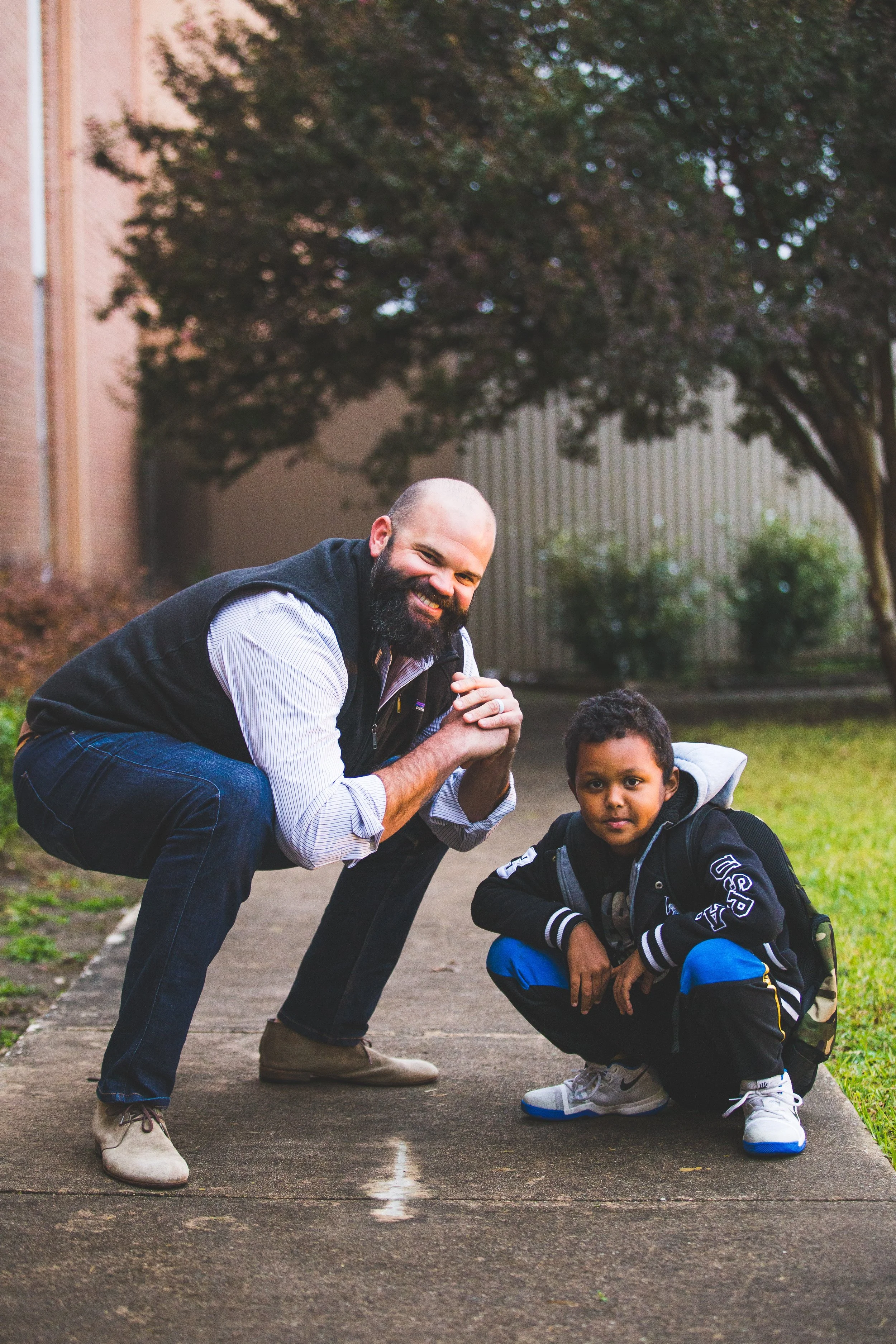
The first time Franklin sat across from me, the gym was loud enough that I almost missed how quiet he was.
Basketballs bounced on the court behind us. Kids shouted at one another from the bleachers. A volunteer was trying to get a game started on the other side of the room. Franklin sat at the end of a long folding table with his hands tucked beneath his arms, watching everything but never really joining it.
I asked Franklin what he liked to do after school.
“Nothing much,” Franklin said.
I asked whether he played sports.
“No.”
I asked whether he had a favorite class.
He shrugged.
Franklin was not rude. Franklin was not angry. Franklin was not causing a problem. That was almost the problem. Franklin had learned how to be so quiet, so agreeable, and so easy that an adult could miss him without ever realizing it.
I remember looking at Franklin and sensing that he was trying to make himself smaller than he really was. It felt like Franklin did not want to take up anyone’s time, energy, or attention. He answered questions, but never gave more than he had to. He smiled when somebody talked to him, but rarely started the conversation himself.
At first, I could have called Franklin shy. That would have been easy.
But over time, I began to realize that Franklin was carrying something deeper than shyness. Franklin had learned to read rooms. Franklin noticed when adults were tired. Franklin noticed when money was tight. Franklin noticed when his mom was stressed, when his teachers were overwhelmed, and when other kids needed more attention than he did.
Somewhere along the way, Franklin had come to a quiet conclusion: everybody already has enough to carry. I will not be one more thing.
That is a heavy belief for a child to carry.
The Kids We Miss Because They Are “Fine”
Every mentoring program has kids who get noticed quickly. They are loud. They are disruptive. They need extra attention. They make it clear when they are frustrated, hurt, or bored.
Then there are kids like Franklin.
They follow directions. They do not ask for much. They do not create conflict. They do not need to be corrected in front of the group. Adults call them easy, mature, low-maintenance, or independent.
But sometimes “easy” is not maturity. Sometimes it is a child who has learned that their needs feel inconvenient.
Sometimes “independent” is not confidence. Sometimes it is a young person who has stopped expecting help.
Sometimes “I’m good” does not mean a kid is actually good. It means that saying anything else feels too risky.
I have learned that the kids who ask for the least may still need us deeply. They may need someone to notice them first. They may need an adult to pursue them without waiting for them to raise their hand, send the text, or ask for the ride.
This matters because kids who feel like burdens often do not make a scene when they are hurting. They do not always act out. They do not always give us an obvious warning sign. They quietly slip through the cracks because their pain does not create a problem for anyone else.
That is why mentors have to learn to notice what is not being said.
The Story Behind Franklin’s Silence
I have seen this pattern in a lot of kids, but one story has stayed with me because it puts words to what so many young people feel but never say.
This young man grew up without consistent male presence in his life. His dad was gone early, in and out of trouble, and eventually completely absent. His grandfather had been one of the few stable men in his life, but his grandfather passed away while he was still young. His older brother was sent away.
One by one, the men he depended on disappeared.
His mom worked hard. She loved him and did everything she could to provide, but survival took a lot of her energy. There were bills to pay, long hours to work, and more needs than there were resources. There were not a lot of extras. Nobody was regularly sitting down to help him sign up for sports, walk him through a new opportunity, or remind him that he was worth pursuing.
So he learned to figure things out on his own.
From the outside, he looked like a good kid. He was polite. He stayed out of trouble. He did not ask for much. He learned how to navigate life independently, even when he was too young to have to do that.
But inside, he was carrying loneliness, frustration, and a deep sense of lack.
He had drawn a conclusion that made perfect sense in his world: everyone already has enough to carry. I will not be a burden.
That belief shaped everything. He did not ask adults to spend time with him. He did not ask for help. He did not ask to join families for dinner. He found ways to be nearby, but he did not cross the line into asking for more.
He would laugh with other families. He would spend time in homes where dads were present. He would make himself likable, funny, and easy to have around. But he still carried the fear that asking for more would be too much.
What struck me about that story was not only the pain. It was how quietly he adapted to it.
He did not rebel.
He did not lash out.
He became invisible.
That is why quiet kids can be so easy to miss. Their need does not always demand our attention. But it is still there.
The Lie That Quiet Kids Believe
Kids who feel like burdens often carry a lie that sounds something like this:
“If people really knew what I needed, they would get tired of me.”
“If I ask for help, I will make things harder.”
“If I need too much, people will leave.”
“If I stay quiet, I will not disappoint anybody.”
That lie can shape the way a young person sees every relationship. They may avoid asking for a ride even when they need one. They may say no to an invitation because they do not want to inconvenience anyone. They may struggle silently in school because asking for help feels embarrassing. They may never call when they are in trouble because they have already decided that nobody wants to be bothered.
The hardest part is that adults can accidentally reinforce this belief without meaning to.
We might tell a quiet kid, “You are so easy.” We might praise them for never needing anything. We might give our attention to the loudest kid in the room and assume the quiet kid is doing okay because they are not creating a problem.
But the gospel gives us a different message.
A child is not valuable because that child is easy. A child is valuable because that child is made in the image of God. A young person is not a burden because they have needs. We all have needs. Being loved does not mean being low-maintenance. Being part of a family, a church, or a mentoring relationship means there is room to be known.
That is the message mentors get to repeat through our words and actions.
What It Looks Like to Pursue a Quiet Kid
One mentor spent time with that young man by playing tennis, going to movies, and driving around. There was no elaborate curriculum and no big speech. The mentor simply made time.
Another mentor gave him a nickname and called him “my boy.” That might seem small, but it communicated something powerful. It said, “You belong to somebody. You are not just passing through. You are claimed.”
A third mentor walked with him through a deeply painful season and helped him process forgiveness, identity, and what it meant to become a man.
None of those mentors fixed everything. None of them had all the answers. But together, those men told a different story than the one he had been living.
They said, through their presence, “You are not too much.”
They said, “I want you here.”
They said, “You are worth making time for.”
Mentoring a quiet kid is often less about finding the perfect thing to say and more about taking the first step again and again. Kids who feel like burdens will rarely make it easy for us. They may not initiate. They may not ask. They may not believe the invitation is real the first time.
That does not mean the invitation did not matter.
It may mean they need to hear it again.
Ways to Make “You Are Wanted” Real
Choose the kid you might normally overlook
Think through the kids in your life. Who rarely asks for anything but is always nearby? Who seems fine but rarely lets people see what is going on? Who stays after everyone else leaves, but never quite asks to be included?
Do not wait for that kid to pursue you. Make the decision to step toward them first.
Make a specific invitation
A vague invitation is easy for a quiet kid to dismiss. “We should hang out sometime” can feel like something adults say without really meaning it.
Instead, make it clear and simple: “I’m grabbing a burger on Thursday. I want you to come with me.” Or, “I have an hour Saturday morning. Let’s go shoot hoops.”
The activity is not the point. The message is: I thought about you, and I want to be with you.
Say the words they may not believe yet
Look for natural moments to say, “I enjoy being with you.” “I was looking forward to this.” “You are not a burden to me.” “I am glad you are here.”
Do not rush past those words or cover them with a joke. Let them sit.
A young person may not know how to respond. They may shrug it off. But words spoken sincerely and consistently can challenge a lie they have believed for years.
Give them a place to belong
Find ways to communicate that they are not simply tolerated. Give them a role. Let them help set up, greet someone new, choose the music, carry something, or be part of the team.
Belonging is not just being invited into the room. It is knowing you have a place in it.
Follow up after the moment
A quiet kid may enjoy the time with you and still wonder whether it was a one-time thing. Follow up with a text, a call, or another invitation. Tell them you had a good time. Let them know you want to do it again.
Consistency slowly dismantles the belief that people will eventually disappear.
Let their caregiver hear the good you see
When appropriate, tell a parent, guardian, or caregiver something specific you noticed. “I spent time with Franklin today, and I really see how thoughtful he is.” “He is more aware of people than he realizes.”
When a child hears similar affirmation from multiple trusted adults, it can begin to shape something deeper.
The Question Every Mentor Should Ask
At the end of the week, I think it is worth asking one honest question: did my actions make it clear that this kid is wanted?
Not did I mean well. Not did I have a good lesson prepared. Not did I get through my checklist.
Did my time, words, attention, and follow-up make it clear that this young person is not too much for me to handle?
Because good intentions are not always enough. A kid who feels like a burden is not looking for another adult who says the right things once. That kid is looking for evidence that the relationship is real.
Franklin did not need me to fix his life in one conversation at a folding table. Franklin needed someone to keep seeing him. Someone to notice that his silence was not proof that he did not need anything. Someone to invite him in without making him earn the invitation.
That is one of the quiet gifts of mentoring.
We get to stand against a lie a child may have believed for years.
We get to say, with our time and our presence, “You are not a burden. I want you here.”
Discussion Questions
Who in your life may be quietly carrying the belief that they are a burden, and what signs might you be overlooking?
What specific invitation could you make this week that communicates, “I thought about you, and I want to spend time with you”?
What words could you say more consistently to help a mentee know they are wanted, valued, and not too much for you to handle?
