
Why Mentors Must Strengthen Themselves Before Strengthening Kids
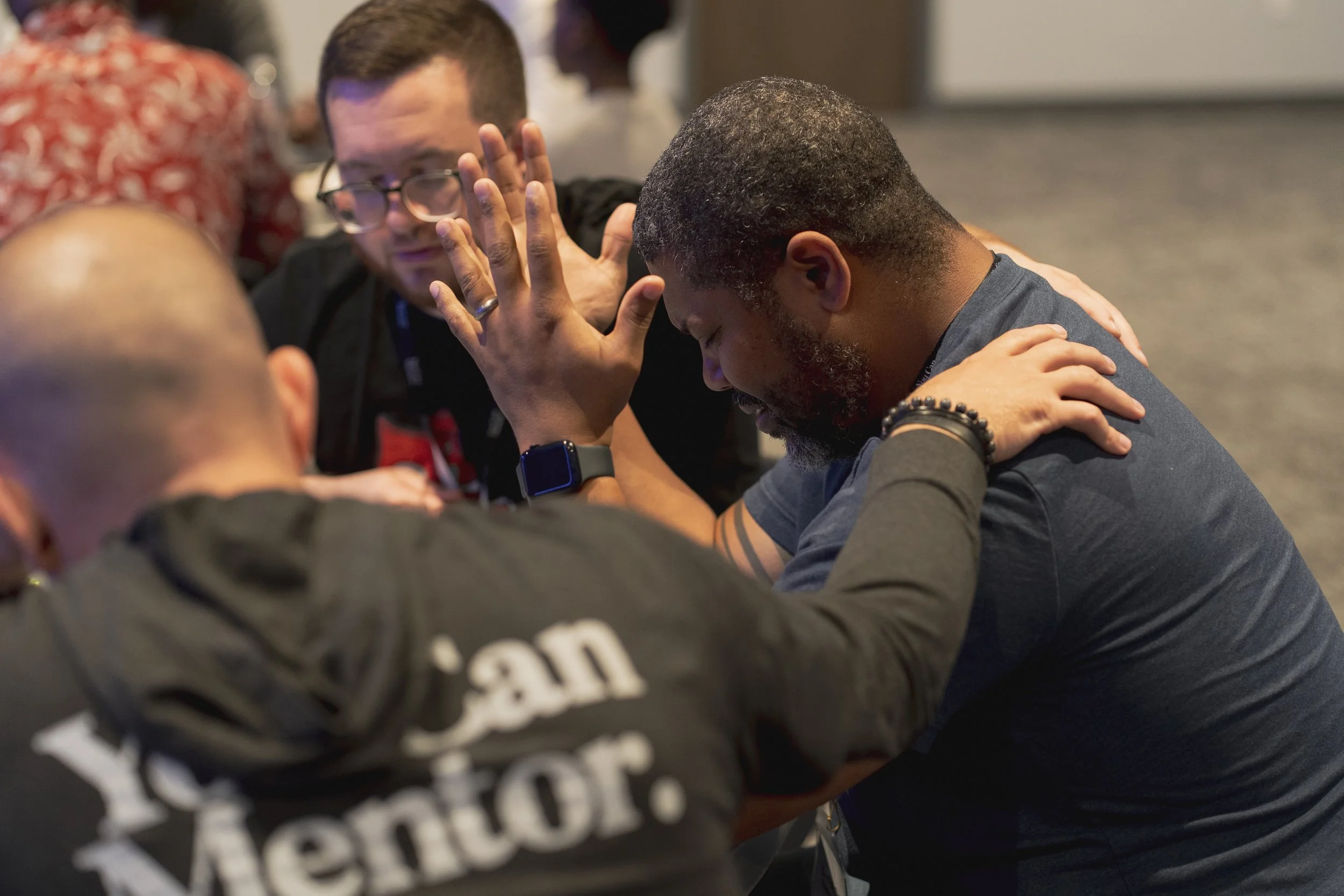
Grant Called With Nothing Left
The phone rang in the middle of a normal afternoon, but Grant’s voice told me right away that the conversation was going somewhere heavier. He had called me plenty of times before, sometimes to talk through a mentoring situation, sometimes to celebrate a good moment, sometimes to laugh about something one of the kids had said.
This call sounded different from the first sentence. Grant was tired in a way that went deeper than needing a weekend off.
He told me work had been unstable for months. His wife was carrying pressure at home. Money was tighter than usual, and the young man he had been mentoring, Silas, had started pulling away after a season that had felt hopeful.
Grant had shown up for Silas for a long time. He had picked him up, taken him to meals, prayed for him, asked hard questions, and stayed patient through more than one disappointing stretch. For a while, Silas had been responding. He was talking more, making better choices, and letting Grant into parts of his life that had stayed guarded for years.
Then Silas went quiet.
Texts sat unanswered. Plans fell through. Conversations became short again. Grant could feel the distance growing, and it hit him harder than he expected because he was already worn thin.
At one point, Grant stopped trying to explain everything and said, “I don’t know if I have anything left to give right now.”
That sentence stayed in the air.
I did not rush to answer. I knew that kind of sentence because I have felt versions of it in my own life. It is the quiet depletion that builds slowly. You keep showing up, keep saying yes, keep trying to be steady, and then one day you realize your heart is tired.
Grant still cared about Silas. That was the painful part. He cared deeply, but he was running low on the strength needed to keep loving well.
Empty Mentors Still Know the Right Words
One of the confusing things about exhaustion is that you can still look functional from the outside. You can still ask the right questions, show up to the meeting, send the text, and keep your commitments.
Inside, something starts thinning out.
Your patience gets shorter. Your curiosity fades. Your hope becomes tied to whether the mentee responds the way you want. A missed meeting feels more personal than it should. A short answer feels like rejection. A hard season starts to feel like proof that nothing is working.
That is what Grant was describing. Silas had pulled back before, but this time Grant did not have the same internal steadiness. He was interpreting everything through his own exhaustion.
I have done that too. When I am tired, I can take a kid’s silence as disrespect. I can treat slow progress as failure. I can turn one hard conversation into a reason to question the whole relationship.
The mentee may not have changed as much as my internal condition has changed.
That is a hard thing to admit because mentors like to think we can keep giving if the need is great enough. We assume love should be able to push through fatigue forever. But God did not create us to pour out endlessly without receiving from Him.
A mentor who keeps giving from an empty place may remain present physically while becoming absent emotionally.
David Had to Find Strength Before He Led
The story I keep coming back to is David in 1 Samuel 30.
David and his men returned to Ziklag and found everything burned. Their wives, sons, and daughters had been taken. The men wept until they had no strength left to weep, and then the people who had followed David began talking about stoning him.
That is a level of pressure I can barely imagine.
David had lost what they lost, and he was also carrying the weight of their anger. The text does not say David rallied the men first. It does not say he created a plan first. It says David strengthened himself in the Lord his God.
That order matters.
David did not wait for the circumstances to calm down before he sought strength. He did not look to the approval of the people around him, because those people were too wounded to provide stability. He went to the Lord in the middle of the pressure.
I have needed that reminder many times. My steadiness cannot depend on whether a mentee is doing well, whether my schedule feels manageable, or whether everyone around me appreciates what I am carrying.
The source has to be deeper.
The Phone Was Winning My Morning
There was a season when I could feel my own steadiness slipping, and it began in a place that felt small.
I would wake up and reach for my phone before my feet hit the floor. I told myself I was checking messages, looking at the calendar, or making sure I had not missed anything important. The truth was simpler and less flattering: I was stepping into noise before I had stepped into the presence of God.
By the time I got to a mentoring conversation later in the day, my mind was already crowded. I had read news, answered texts, glanced at emails, compared myself to somebody online, and carried other people’s urgency into my own spirit.
Then I would wonder why I felt reactive.
Kids can feel that. Silas may not have had the words for it, but he could probably tell when Grant was anxious, distracted, or stretched too thin. Mentees from hard places often read adults quickly because life has taught them to pay attention.
They notice our tone. They notice the way we sigh. They notice whether we are fully present or barely holding ourselves together.
That does not mean mentors have to be emotionless or perfect. It does mean our inner life comes into the room with us. If I want to offer peace, patience, and hope, I need to be receiving those things from God before I try to pass them on.
Strength Comes From Daily Return
Strengthening myself in the Lord sounds dramatic until I remember how ordinary it usually is.
It often looks like opening Scripture before opening my inbox. It looks like telling God the truth instead of pretending I am fine. It looks like prayer in the car before a hard conversation. It looks like gratitude when complaint is easier.
These practices do not remove every problem. They put my heart back in the right place before the problems start speaking too loudly.
Grant did not need a new mentoring strategy first. He needed to return to the Lord as his source. He needed sleep, honest prayer, wise community, and space to admit that he was tired without treating that tiredness like failure.
I told Grant that he did not have to manufacture strength for Silas. He needed to receive strength from God, then show up from that place.
That distinction matters. One leads to pressure. The other leads to dependence.
The Mentee Feels What We Carry
A mentor’s inner life shapes the relationship more than we realize.
If I am carrying insecurity, I may need the mentee to respond well so I can feel useful. If I am carrying anxiety, I may try to control the conversation. If I am carrying discouragement, I may lose hope too quickly.
But when I am grounded in the Lord, I can stay steady when the relationship gets quiet. I can keep loving when the progress slows. I can correct without anger and listen without needing the mentee to make me feel successful.
That steadiness becomes a gift to a young person.
Silas had experienced enough inconsistency in his life. He did not need Grant to be impressive. He needed Grant to be rooted. He needed an adult whose presence did not rise and fall with every difficult week.
Grant’s strength mattered because Silas was watching how he carried disappointment.
Practices That Help Mentors Stay Rooted
Begin before the noise begins
Start the day with God before giving the day to everyone else. Ten focused minutes in Scripture and prayer can change the posture you carry into every conversation.
Tell God the truth
Name what you are carrying. Say the discouragement, resentment, fear, or fatigue out loud before God. Honest prayer is often the doorway back to peace.
Reset before you meet
Take two minutes before seeing your mentee to breathe, pray, and release the pressure to produce a certain outcome. Ask God to help you show up with patience and care.
Practice gratitude on purpose
Gratitude helps reframe what exhaustion distorts. Name three specific gifts before entering a hard conversation. The gifts may be small, but naming them can steady your heart.
Stay connected to wise people
Mentors need people who can hear the truth and speak truth back. Grant needed that phone call because no mentor was meant to carry every burden alone.
Let your mentee see dependence
You do not need to act like you have everything figured out. When appropriate, say, “When I feel stressed, I have to bring that to God.” That kind of honesty teaches more than polished words.
Joy Can Be Chosen Without Being Fake
I have known people who carry joy in places where joy makes very little sense.
Their lives are hard. Their bodies are weak. Their circumstances are painful. They are not pretending, and they are not ignoring reality. They have learned to anchor their hearts in a place deeper than what is happening around them.
That kind of joy has challenged me.
I want my joy to come when circumstances improve. I want to feel steady after the problem gets solved, after the mentee returns my text, after the meeting goes well, after life feels manageable again.
Scripture gives us a different pattern. David strengthened himself in the Lord while the crisis was still active. He found stability before the situation changed.
That means joy can be chosen in the middle of pressure. Hope can be practiced while questions remain. Peace can be received before the outcome is clear.
A mentor who lives that way gives a mentee a picture of faith that words alone cannot provide.
What Grant Needed Before Calling Silas
Before Grant reached back out to Silas, he needed to stop and receive from God.
He needed to take his disappointment to the Lord instead of taking it out on Silas. He needed to ask whether his frustration was about Silas pulling away, or about Grant feeling like his effort had not paid off.
That kind of reflection changes the next conversation.
A depleted Grant might text, “Why haven’t you been responding?” A strengthened Grant might text, “I miss you, and I am still here. Want to grab food this week?”
Both texts address distance, but they come from very different places.
The first carries pressure. The second carries presence.
Silas may or may not respond right away. That part is outside Grant’s control. Grant’s calling is to be faithful from a grounded place, trusting God with the work happening beneath the surface.
The Strength We Pass Along
When I think back to Grant’s phone call, I remember the weight in his voice. I also remember the mercy in that moment.
Sometimes exhaustion is a warning light from God. It tells us to stop pretending we can serve forever without being sustained. It calls us back to the source before bitterness, resentment, or quiet withdrawal take root.
Christian mentoring asks us to give a lot: time, attention, patience, prayer, emotional energy, and steady love. Those gifts need a source beyond personality, discipline, or good intentions.
We strengthen ourselves in the Lord because the kids we mentor need more than our effort. They need the overflow of a life rooted in God.
When we are steady, they feel it. When we are hopeful, they see it. When we return to God in pressure, they learn that strength comes from somewhere deeper than circumstances.
That is good news for tired mentors. You do not have to have anything left to give on your own. You can go to the Lord, receive what you need, and show up again with open hands.
Discussion Questions
Where are you trying to give from an empty place right now?
What would it look like to strengthen yourself in the Lord before your next mentoring conversation?
What daily rhythm could help you become more grounded, patient, and steady for the young person in your life?
