
Why Mentoring Is Life-on-Life, Not Just Program-to-Program
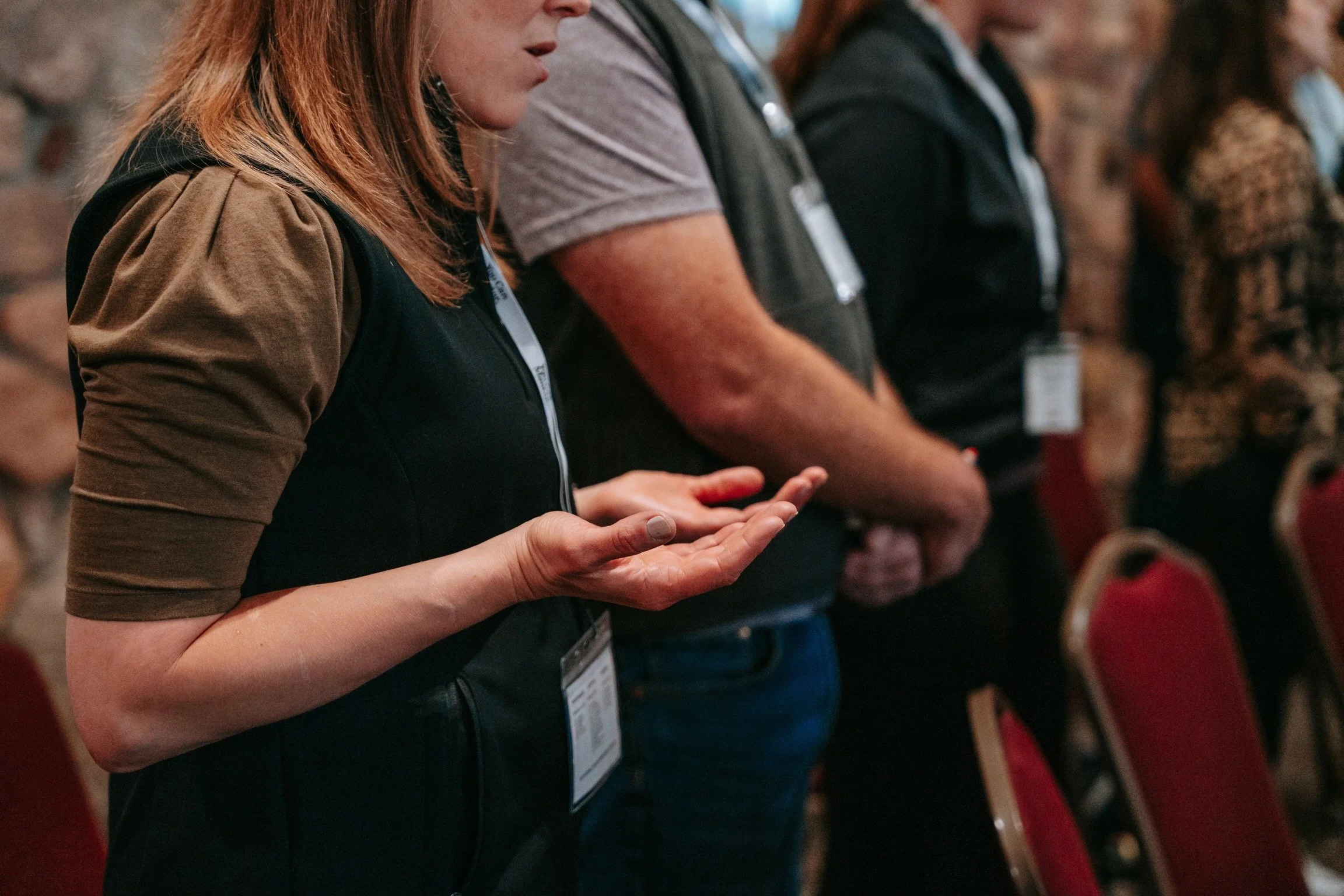
Nobody assigned Lorenzo a spot, but by week three, the wall near the side door had become his. He leaned there with one shoulder against the paint, arms crossed, face calm enough to look bored if you did not know better.
The gym had plenty of places to hide. Shoes squeaked, a ball hit the rim, kids argued about a foul, and two volunteers tried to keep the game from turning into chaos.
Lorenzo stood close enough to hear everything and far enough to leave without causing a scene. He answered questions with one word. He laughed once, then looked around quickly, like laughter had slipped out by mistake.
I wanted to walk over and make something happen. I wanted to ask the kind of question that would pull him in, create connection, and give me proof that my presence mattered.
But I have learned that some kids need to watch you before they talk to you. So I stayed where I was, caught his eye, nodded, and let the night keep moving.
That was the whole interaction. A nod. It did not feel like mentoring, but it was, because a young person who had not decided if the room was safe still saw an adult notice him without demanding anything back.
Slow Can Still Be Sacred
Mentors often walk into relationships with a hidden timeline. We may never say it out loud, but we hope that after a few weeks something meaningful will happen.
A kid will open up. A conversation will go deeper. A behavior will improve.
When progress stays quiet, we start to wonder if we are doing something wrong. Silence begins to feel like rejection, distance feels like failure, and slow trust feels like wasted time.
That pressure does not stay inside us. It leaks into our voice, our questions, and our expectations.
Kids can feel when we are trying to pull something out of them. Many kids from hard places have already spent years managing adults, so they notice our urgency faster than we think.
Trust Has a Pace
Everything meaningful in mentoring moves at the speed of trust. That sentence has become an anchor for me because it reminds me that I cannot rush what must be grown.
Programs can create opportunities, schedules, activities, and rooms where connection might begin. They cannot force a young person to believe an adult is safe.
Trust forms through repeated evidence. I show up. I remember. I keep my word. I stay calm. I come back.
None of those moments may feel dramatic. Together, they build a file in the young person’s mind that says, “This adult might be different.”
That file takes time to write, especially when old files already exist. If a kid has experienced adults leaving, lying, overreacting, or losing interest, my consistency will need to speak longer than my words.
One Plants, One Waters
The picture from 1 Corinthians has helped me release pressure. One person plants, another waters, and God gives the growth.
That truth humbles me. I may be planting in one season and watering seeds someone else planted years before.
I may never see the full fruit. God sees it.
That does not make my role small. It makes my role sane. I can show up faithfully without pretending I control the outcome.
When I forget this, mentoring becomes a place where I try to prove myself. When I remember it, mentoring becomes a place where I practice faithfulness.
Lorenzo Was Gathering Evidence
For several weeks, Lorenzo stayed near the wall. He did not look angry, but he did look unconvinced.
Every week, I greeted him by name. I did not make a big deal out of it. “Good to see you, Lorenzo.”
At first, he gave me a chin lift and nothing more. Then one week, he said, “What’s up.”
That may not sound like much, but it mattered. A kid who had only watched was now answering.
The next week, he stepped three feet closer to the circle during announcements. A week later, he corrected me when I got the name of his school wrong.
“Bro, that is not my school,” he said, with just enough irritation to sound alive. I apologized and got it right the next time, and I could tell by the look on his face that he noticed.
Trust was not arriving like a lightning strike. It was moving in inches.
Small Signs Are Still Signs
A mentor who only looks for big moments will miss most of the early signs of trust. A young person may not share a deep story for months, but they may show movement in quieter ways.
They stay in the room longer. They answer with two sentences instead of one.
They sit a little closer. They ask a question that seems random.
They tease you lightly, correct a detail, or show up again after a hard week. Those moments are not the finish line, but they are signs of movement.
When Lorenzo told me I had named the wrong school, I could have heard disrespect. Instead, I heard ownership.
He wanted me to know him accurately. That is a form of trust.
The Pressure to Feel Effective
A lot of my frustration in mentoring has come from my desire to feel effective. I want to leave a meeting believing something happened.
That desire is understandable, but it can become unhealthy. If I need a kid to respond in order for me to feel successful, I may start placing emotional weight on the relationship that the young person should not have to carry.
Mentoring is not a stage for my effectiveness. It is a place for patience, humility, and love.
I need to keep asking God to purify my motives. Am I serving the kid in front of me, or am I trying to get reassurance that I am good at this?
That question stings, but it helps me stay honest. It also keeps me from making a young person responsible for giving me the emotional payoff I hoped mentoring would bring.
Do Not Force the Door
One night, Lorenzo finally sat near the edge of our small group. I could feel my excitement rise because it looked like a chance.
A younger version of me would have jumped on it. I would have asked deeper questions too soon and tried to turn proximity into vulnerability.
Instead, I let him be near without making him perform. We talked about shoes, bad cafeteria food, and a song everyone was tired of hearing.
That conversation did not look spiritual from the outside, but it was relationally important. Lorenzo had stepped closer, and I did not punish the step by demanding too much from it.
If a kid opens the door one inch, honor the inch. Do not kick it open.
Low Pressure Builds High Trust
Some kids need low-pressure spaces before they can handle direct conversation. A gym, a car ride, a walk, a meal, or a shared task can give them room to participate without feeling exposed.
Lorenzo opened up more while helping me carry a cooler than he ever did when I sat across from him with a question ready. His hands had something to do, and his eyes did not have to meet mine.
He asked why I kept coming every week. I told him, “Because I like being here, and I like being around you guys.”
He looked at me and said, “Most people say that for like a month.” Then he picked up the other side of the cooler and kept walking.
That was a real sentence. It was also a test.
Ordinary Presence Answers the Real Question
Many kids are asking one question long before they ask for advice: will you stay? They ask it by watching, through distance, through sarcasm, and through short answers that sound casual but carry years of disappointment.
They ask it when they come back the next week and look to see if you came back too. The answer cannot be delivered once in a speech.
It has to be lived over time. Every kept commitment becomes part of the answer, and every calm response helps write a new story.
Every remembered detail and ordinary return says, “By God’s grace, I am still here.” Over time, that message can become believable enough for a young person to risk one step closer.
Practices for Moving at Trust’s Pace
Reset your expectations
Before you enter the room, remind yourself that trust will likely take longer than you want. Slow growth is still growth when God is at work.
Value repeatable presence
Show up when you say you will. Consistency communicates safety more clearly than one impressive moment.
Watch for small movement
Notice proximity, tone, eye contact, initiated questions, or a willingness to stay nearby. These signs can reveal trust forming quietly.
Create low-pressure spaces
Use games, errands, meals, walks, and shared tasks to give connection room to develop naturally. Some kids talk best when the spotlight is off.
Release outcomes to God
Pray for the young person and your own heart. Ask God for patience when you want proof and steadiness when you feel discouraged.
Lorenzo Left the Wall
One Thursday night, I walked into the gym and looked toward the side door out of habit. Lorenzo was not there.
I scanned the room and found him in the middle of the group, arguing about teams before the game started. He still had his guarded edge, but he was in the circle.
When he saw me, he called out, “You still owe me for getting my school wrong.” I said, “I apologized for that,” and he grinned like the debt was still active. “Still counts,” he said.
That grin was not the whole harvest, but it was fruit. It had taken weeks of nods, names, patience, and small moments that did not feel like much at the time.
Stay Long Enough to See the Inches
Mentoring rarely moves as fast as I want. It often asks me to show up in ordinary ways before I see anything that feels like progress.
But the quiet work matters. The nod matters. The remembered name matters.
The night that feels neutral may be one more layer of evidence in a young person’s heart. The kid near the wall may be closer than he looks.
My role is to plant, water, pay attention, and trust God with growth I cannot control. That kind of faithfulness may feel small, but small faithfulness repeated over time becomes the soil where trust can grow.
So do not rush the kid on the edge. Do not force the conversation before the relationship can hold it.
Show up. Notice. Pray. Come back. Trust moves at its own speed, and love is willing to match its pace.
Discussion Questions
Where are you expecting visible results faster than trust can realistically grow?
What small sign of trust might you be overlooking in your current mentoring relationship?
How can you create a lower-pressure space this week where connection can grow naturally?
