
Blog
Why Mentors Should Understand the Story Behind a Child’s Behavior
Why Mentors Should Understand the Story Behind a Child’s Behavior
Opening Story
The engine was still running when I walked up, and I could feel the low hum of it through the frame of the car before I even opened the passenger door. He was already there, hands resting at the top of the steering wheel, eyes fixed straight ahead like he was working through something he hadn’t quite solved yet. I slid into the passenger seat and said his name, but he didn’t respond right away. After a few seconds, he let out a long breath, leaned his head back, and said, “I almost didn’t come.”
Why Relational Needs Come First in Mentoring - Find the Need Behind the Deed
Why Relational Needs Come First in Mentoring
Opening Story
The sound of Velcro ripping echoed across the hallway as he adjusted the strap on his backpack for the third time in less than a minute. We hadn’t even made it out the front doors yet, and already I could feel the tension in the way he moved—quick, restless, like his body was trying to stay a step ahead of something his mind hadn’t said out loud. I made a comment about the weather, something easy just to get us started, and he nodded without really responding, his eyes scanning the parking lot like he was looking for a reason to leave before we ever got going. When we reached my car, he hesitated for a second longer than usual before opening the door, and I could feel that familiar internal question rising up in me: do I address what I’m seeing, or do I pretend everything is fine and hope it settles on its own. It was a small moment, the kind that could easily pass unnoticed, but there was something underneath it that felt heavier than the situation itself, and I knew if I wasn’t careful, I would default to managing the moment instead of understanding it.
How Mentoring Leaders Can Pivot Without Losing Their Footing
Opening Story
The first text came ten minutes after I had already decided to cancel. I was sitting in my car outside a locked building, staring at a schedule that no longer made sense, when my phone lit up with a message from a kid I hadn’t heard from in weeks:
How Mentors Can Speak Vision Over a Child’s Life
The first time he told me what he wanted to do with his life, he didn’t say it confidently. He said it like someone testing the weight of something fragile, unsure if it would hold. We were sitting across from each other in a noisy restaurant, the kind where conversations blur together and no one pays attention to anything happening at the next table. He kept glancing down at his hands as he spoke, picking at the corner of a napkin, like he might take the words back if they didn’t land right.

Why a Good Apology Builds Trust in Mentoring
Opening Story
The receipt was still sitting on the table where he left it, flattened out with both hands like it proved something. He had circled the total in pen, pressing hard enough that it tore slightly through the paper, and underneath it he had written, “$18 for nothing.”
How to Invite Jesus Into a Mentoring Relationship
Opening Story
Humphrey slid his chair back just enough for it to squeak loudly against the tile, then rocked it forward again like he was testing how much noise he could get away with before I said something. His shoelaces were untied, one dragging under his foot as he twisted side to side, scanning the room for anything more interesting than the worksheet in front of him.
Why Mentors Must Strengthen Themselves Before Strengthening Kids
Opening Story
The phone call came in the middle of a normal afternoon, but the tone on the other end immediately told me it was not going to be a normal conversation. I could hear the fatigue before I heard the words. A mentor I had walked with for years was trying to explain what was going on in his life, but everything felt tangled together. Work was unstable, his family was under pressure, and the kid he was mentoring had just started pulling away after months of progress.
Why Showing Up and Calling Kids by Name Matters
The bell had already rung, but he lingered at the edge of the hallway, one hand gripping the strap of his backpack while the other traced the cracks in the tile with the tip of his shoe. Students rushed past us in waves, voices bouncing off the lockers, but he stayed still like he was waiting for something that wasn’t coming.
Why the Gospel in Mentoring Is Relationship, Not a Sales Pitch
The boy kept turning his wrist over like he was trying to check something that wasn’t there anymore. It was subtle enough that most people would have missed it, but I had spent enough afternoons across from him to notice when something was off.
How Intergenerational Mentoring Strengthens Communities
The Day I Realized Mentoring Was Never Just About One Kid
The apartment smelled faintly like something that had been cooked hours ago and never fully cleared out of the air. A mom stood in the doorway for a moment before sitting, her shoulders carrying a kind of exhaustion that does not come from a bad night’s sleep but from years of uncertainty.
Mentoring Is Mutual Transformation, Not Fixing Kids
Mentoring Is Mutual Transformation, Not Fixing Kids
The folding chairs were still warm from the afternoon heat when I dragged them into a loose circle on the cracked pavement behind the apartment complex. Someone had left a half-deflated basketball near the fence, and the smell of grilled meat drifted over from a nearby balcony. A few of the boys showed up late, laughing louder than necessary, trying to play it cool even though they were curious about why I kept inviting them back. One of them asked if we were going to “do anything real tonight,” and I could tell what he meant. He didn’t want another adult with a speech. He wanted to know if I was actually going to stay.
Why Fatherlessness Matters in Youth Mentoring
The screen door slammed harder than it needed to, rattling the loose frame as he stepped out onto the porch and dropped into the chair across from me. He didn’t say anything at first, just kept tapping the toe of his shoe against the wooden boards in a steady, irritated rhythm.
How to Be a Safe Person for a Child
How to Be a Safe Person for a Child
I was sitting across from a high school sophomore who hadn’t said more than ten words in the first twenty minutes we’d been together. His hood was halfway up, his eyes darting between the floor and the exit, and every question I asked seemed to bounce off him like it had nowhere to land. I could feel the pressure building inside me to make something happen, to break through the silence, to prove that this meeting mattered. Instead, all I could hear in my own head was a quiet question: “Do you actually feel safe to him right now?” That moment didn’t feel like progress, but looking back, it was the beginning of everything.

Why Mentoring Is a Long, Slow Walk of Faithfulness
The folding table wobbled every time someone leaned on it, and the fluorescent lights above us flickered just enough to make everything feel a little unstable. We were in the back room of a small apartment community center, the kind of place that had seen a lot of programs come and go.
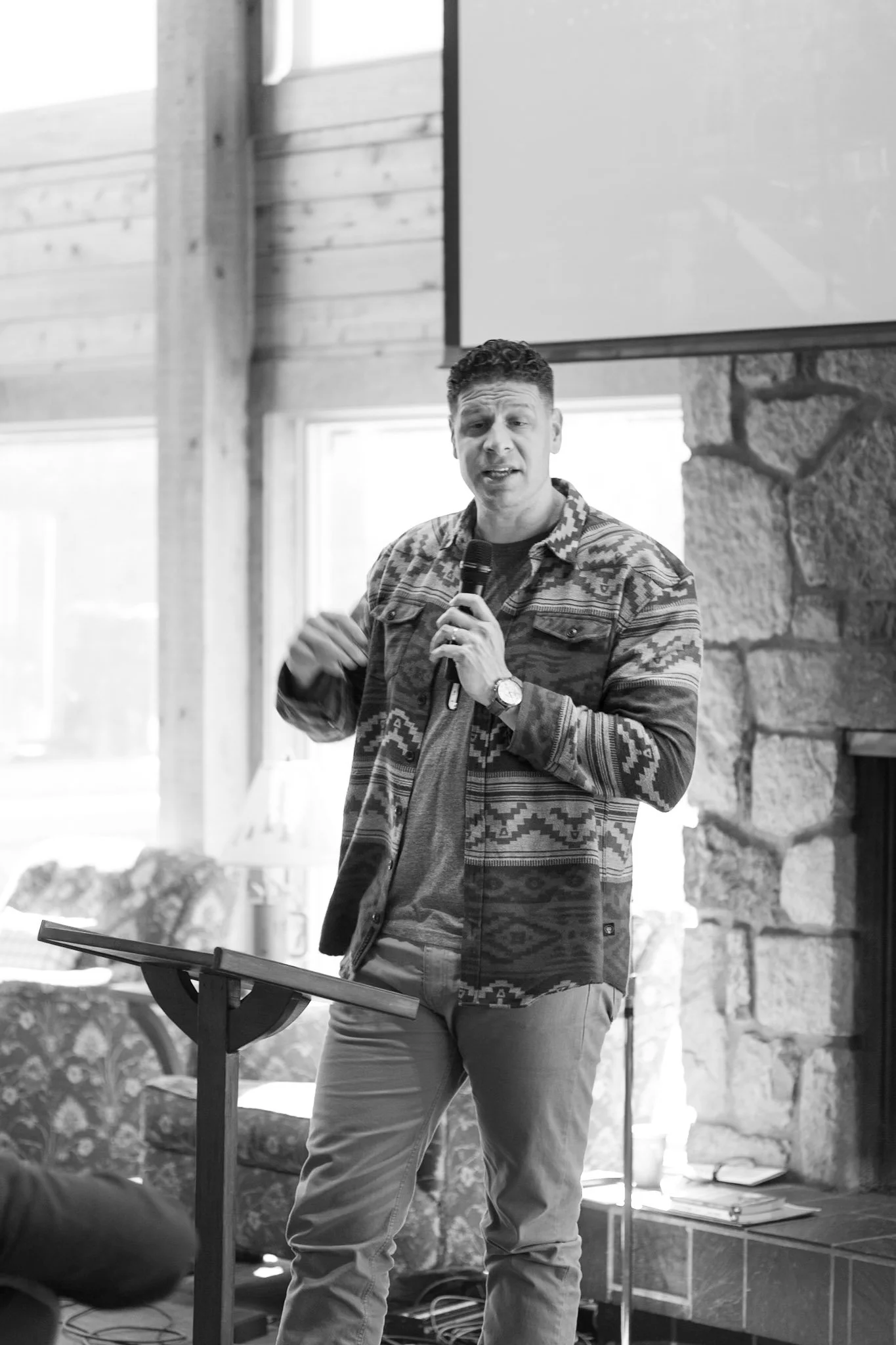
Why Your Mentoring Presence Matters More Than You Think
The first time I heard about Guy Bryant, I wasn’t sitting in a conference room or reading a leadership book. I was standing in my kitchen early in the morning, coffee half-made, watching a segment on Good Morning America. The kind of moment that usually passes without much thought. But that morning didn’t.
Why Mentors Should Stay at the Table When Things Get Hard
Opening Story
The smell of chlorine hit me the moment I walked into the indoor pool, thick and sharp in the air. The echo of kids’ voices bounced off the tile walls, and somewhere in the background a lifeguard’s whistle cut through the noise. I spotted him sitting on the edge of the pool with his feet in the water, fully dressed, not even pretending to swim.
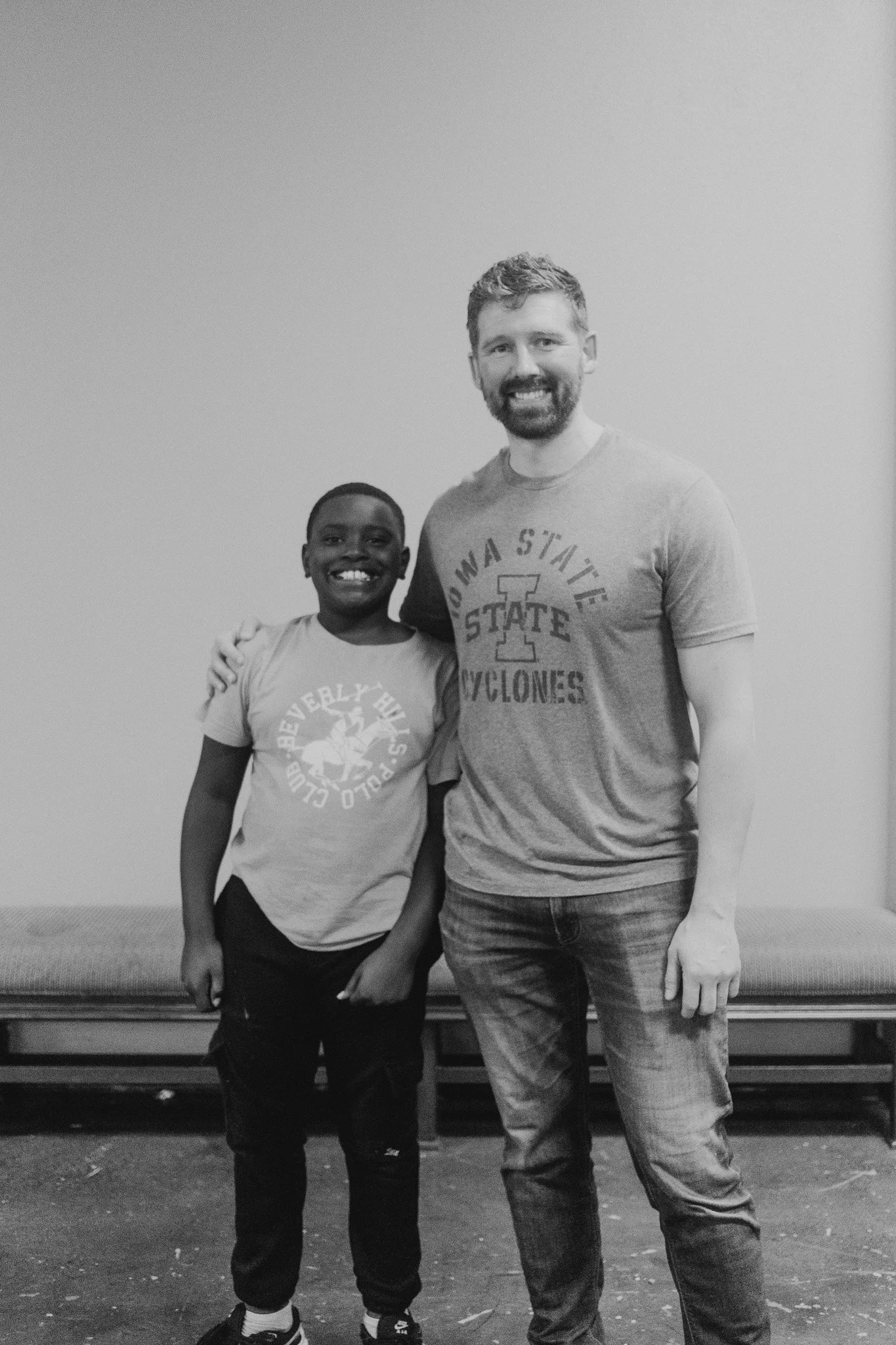
How Play Helps Mentors Build Trust with Kids
Opening Story
The soda can slipped out of his hand and rolled across the pavement, fizzing loudly as it spun in a slow circle before tipping over. Neither of us moved to pick it up right away.
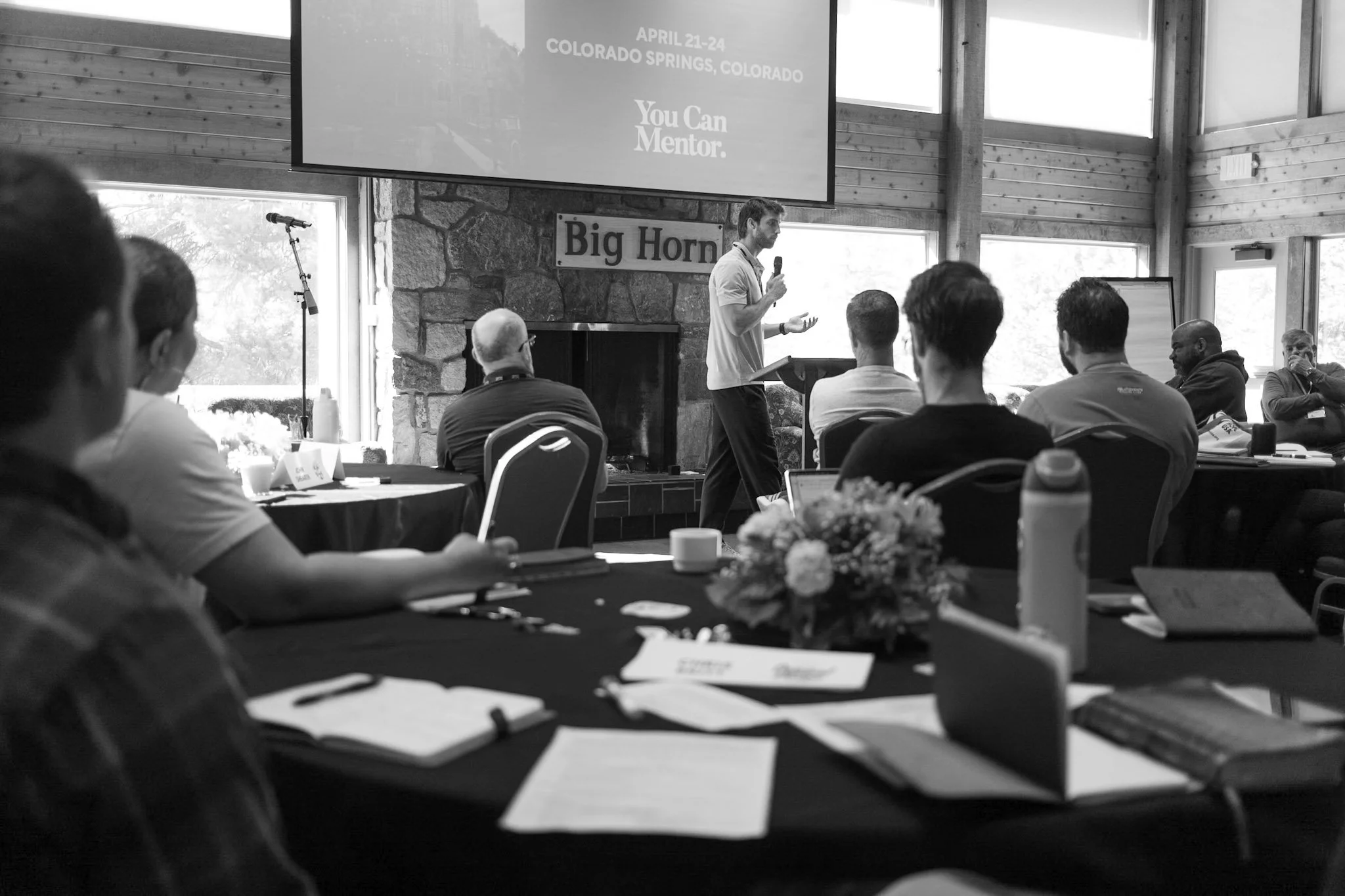
How Mentors Can Be Faithful at the Table
The folding chairs were still scattered from the night before, and the faint smell of takeout lingered in the room as I sat across from a young man who hadn’t said more than ten words in the last twenty minutes.
How to Be Consistent Without Controlling the Outcome
Opening Story
The hospital room smelled faintly like antiseptic and stale coffee, and the fluorescent lights made everything feel more serious than I was ready for. I had just parked after a long drive, my mind still catching up to the reality of why I was there. He was sitting up in the bed, bruised and quiet, the kind of quiet that doesn’t come from calm but from shock.
6 Different Ways Mentors Can Show Up for Kids
The smell of fryer grease hung in the air as I slid into a booth across from a third grader who couldn’t sit still. He kept tapping his foot against the table leg, his eyes darting around the McDonald’s like he was waiting for something to go wrong.