
Blog
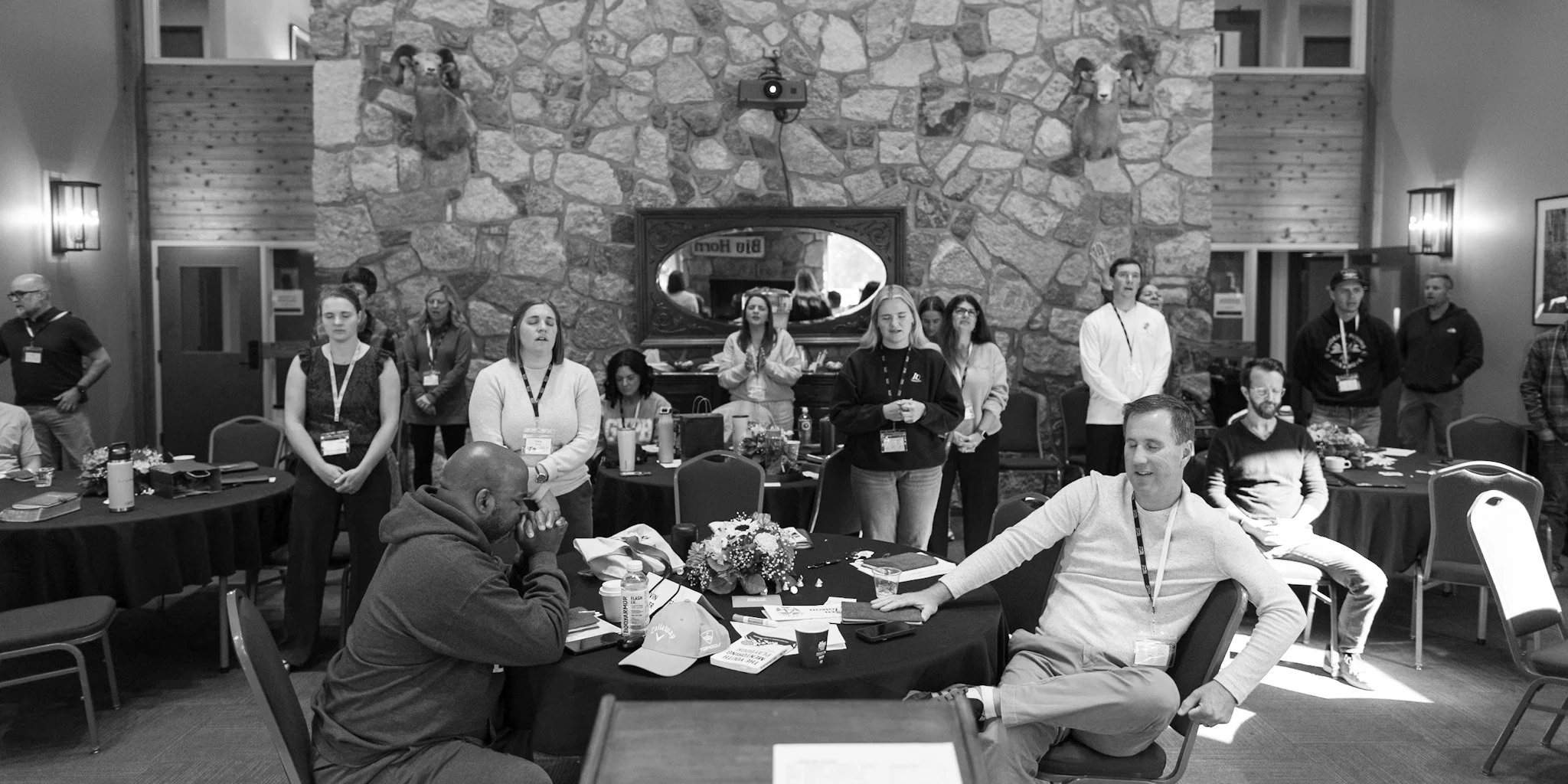
Why Your Presence Is the Greatest Gift You Give as a Mentor
Opening Story
The metal door clicked shut behind me louder than I expected, echoing down the narrow hallway and turning a few heads before I even took two steps inside. A group of boys sat along the wall, some tapping their feet against the lockers, others staring at their phones, and one kid bouncing a tennis ball just high enough to test how much he could get away with.
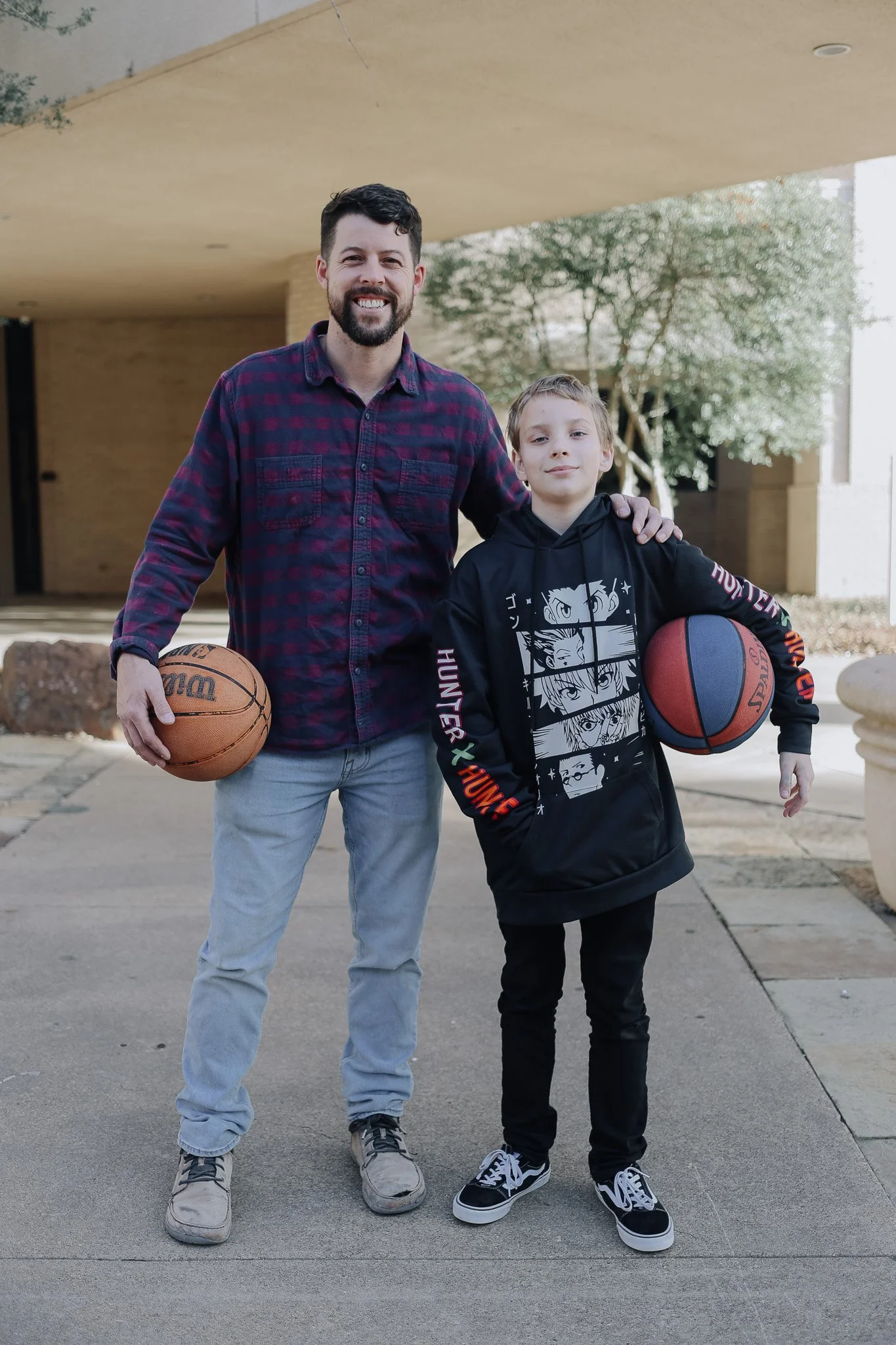
How Mentoring Helps Kids Feel at Home
The sound of plastic wheels rattling across the pavement kept interrupting our conversation. Every few seconds, a kid would fly past us on a scooter, cutting too close to the bench where we were sitting, forcing me to pause mid-sentence.
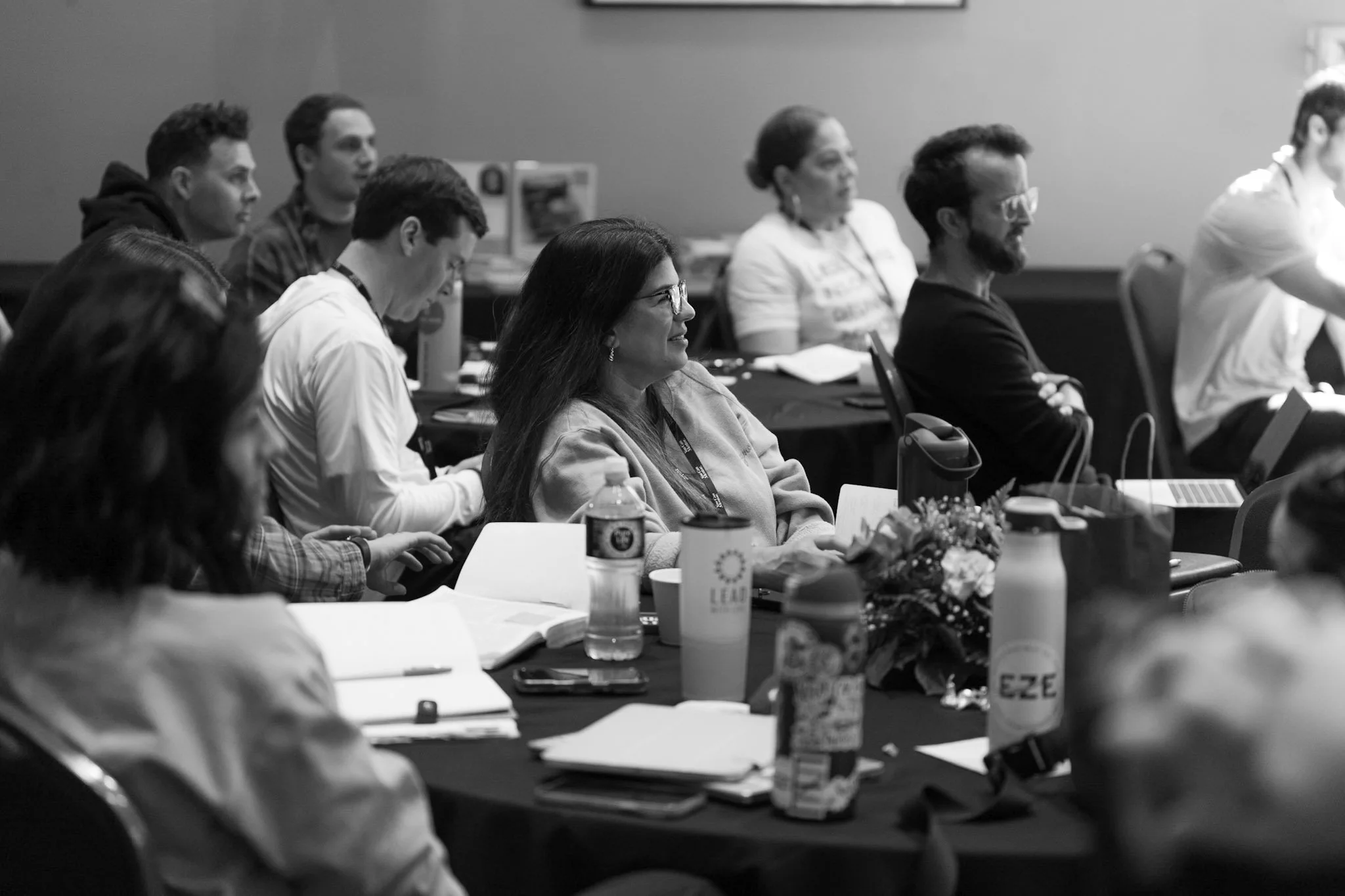
How Thirty Minutes a Week Can Change a Child’s Life
How Thirty Minutes a Week Can Change a Child’s Life
Opening Story
The folding cafeteria tables were still half-sticky from lunch when I slid into the bench across from three fourth-grade boys, each of them clutching a paperback that looked more like a prop than something they actually wanted to read. One of them had crumbs on his shirt and kept glancing toward the door like he might bolt if given the chance. Another flipped pages without looking at them, just to avoid eye contact. I remember thinking how ordinary the moment looked from the outside, and how much tension I could feel sitting right in the middle of it. Nothing about it felt like a breakthrough. It felt small, awkward, and easy to overlook.
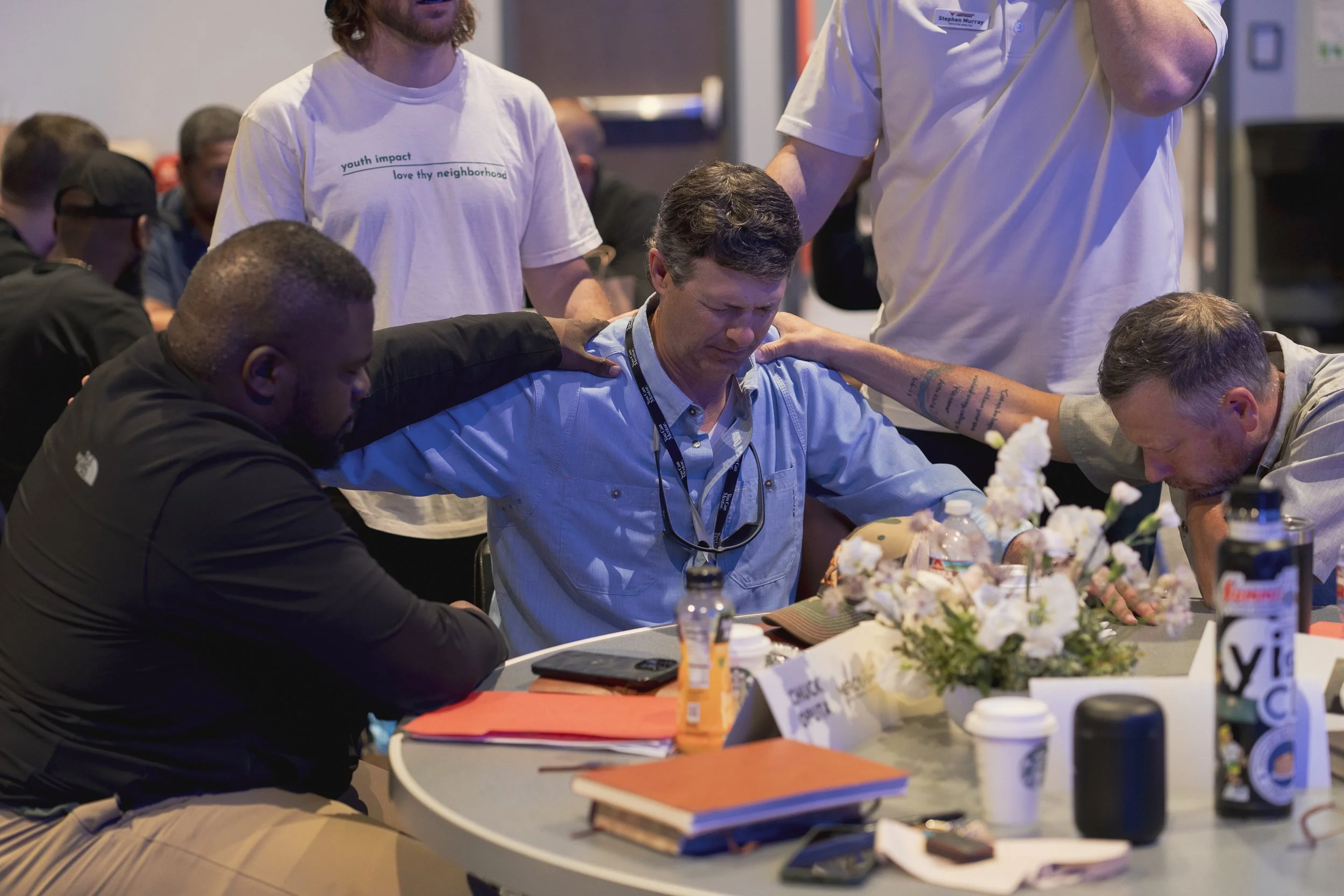
Why Conflict Can Strengthen a Mentoring Relationship
Opening Story
The smell of popcorn filled the movie theater lobby as we stood in line, shifting back and forth between the bright menu screens and the people around us. It was supposed to be a simple night, nothing heavy, just a chance to hang out and enjoy something together. As we got closer to the counter, I noticed my mentee getting quieter.
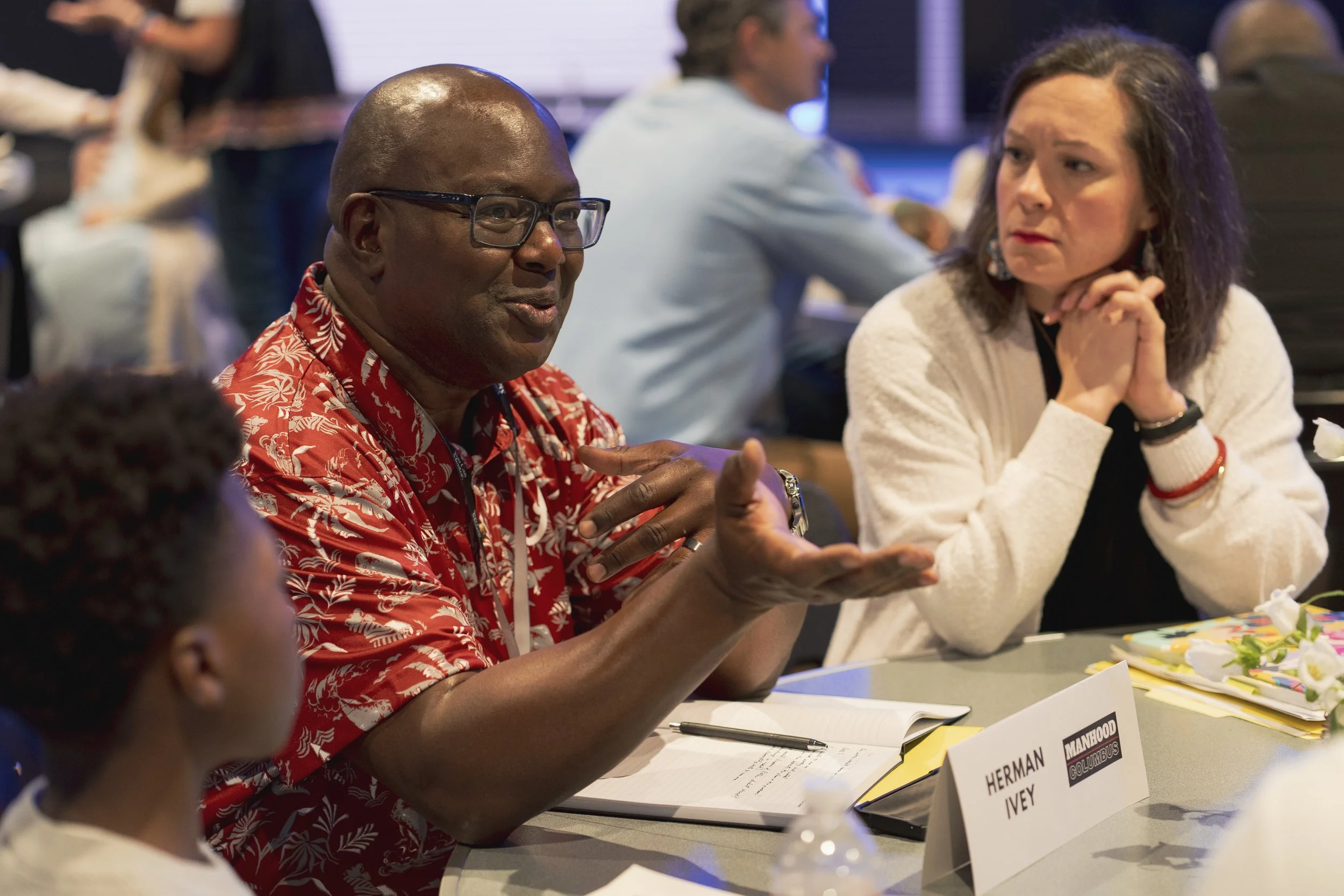
Why Every Kid Needs to Know They Have a Seat at the Table
Opening Story
The folding chair scraped against the tile floor as he leaned back, arms crossed, eyes fixed somewhere just above my head. We were sitting in a church hallway that always smelled faintly like coffee and cleaning spray, the kind of place where conversations either got real or got avoided.
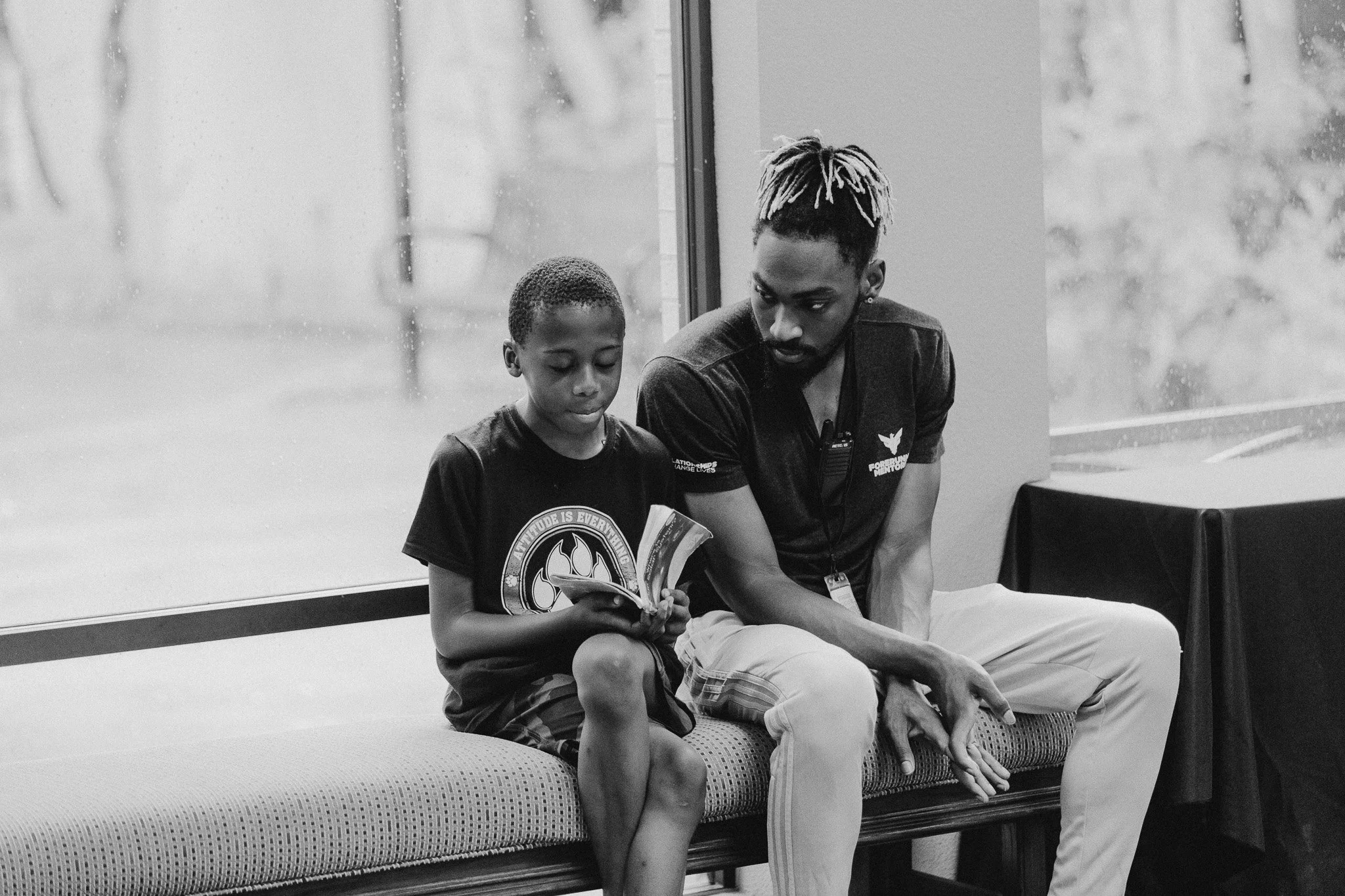
How Mentors Put Courage Into Kids
The hallway smelled like stale cafeteria food and cleaning solution, the kind of scent that seems to linger no matter how many times the floors are mopped. Lockers slammed shut in uneven rhythm as kids rushed to their next class, and I was leaning against the wall outside a classroom, waiting for a kid I had been meeting with during lunch.
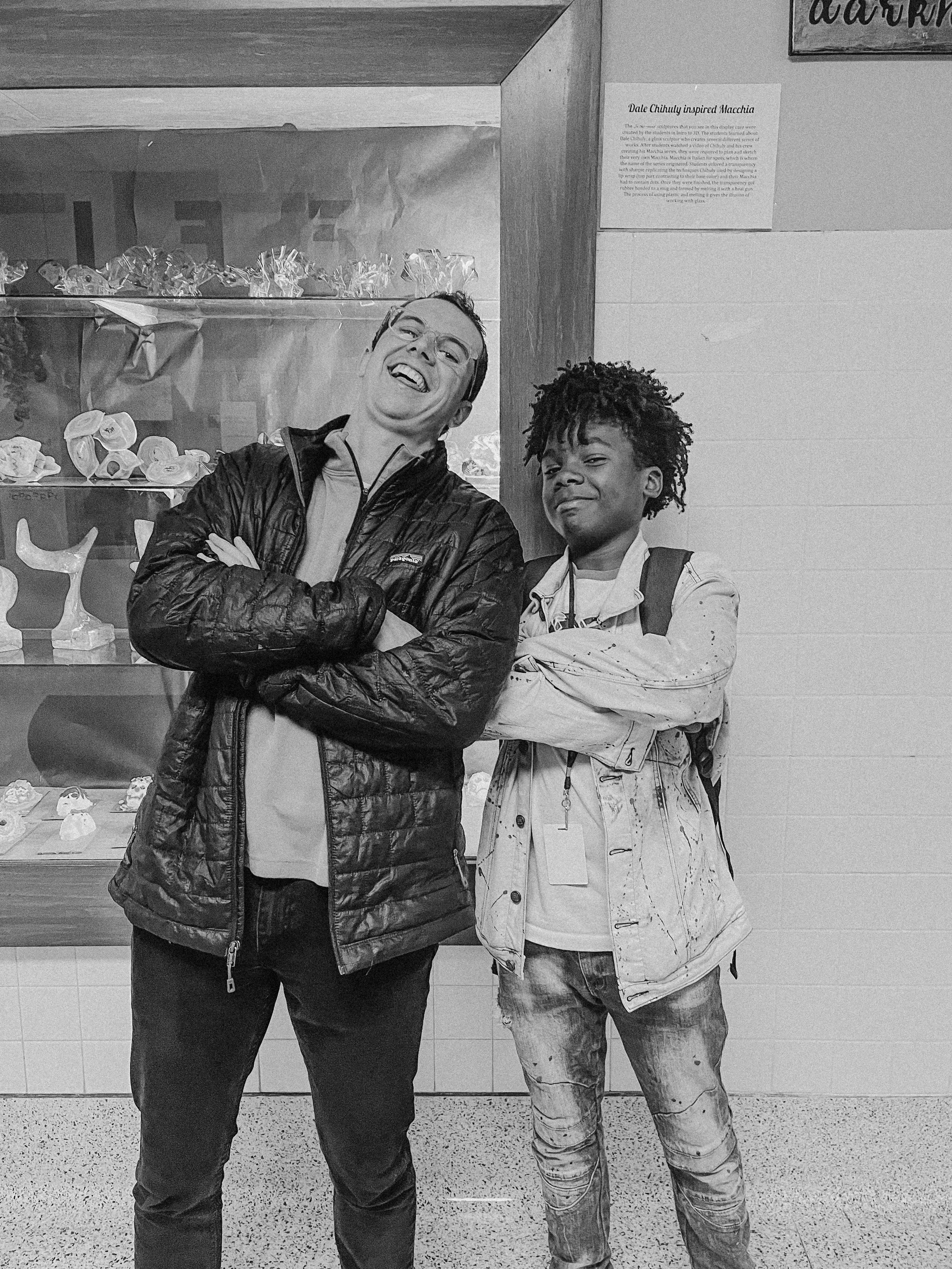
Why Relationships Change Lives in Mentoring
Why Relationships Change Lives in Mentoring
The gym was louder than usual that night, the kind of noise that settles into your chest more than your ears. Sneakers squeaked, parents shouted from the bleachers, and the scoreboard flickered with every possession. I was watching a kid I had spent years with—someone I knew beyond the stat sheet—play one of the best games of his life. He moved with confidence, made smart decisions, and by the final buzzer, he had scored more points than anyone else on the court. But as soon as the game ended, I saw his shoulders drop. Instead of celebrating, he walked off the court frustrated, almost angry.
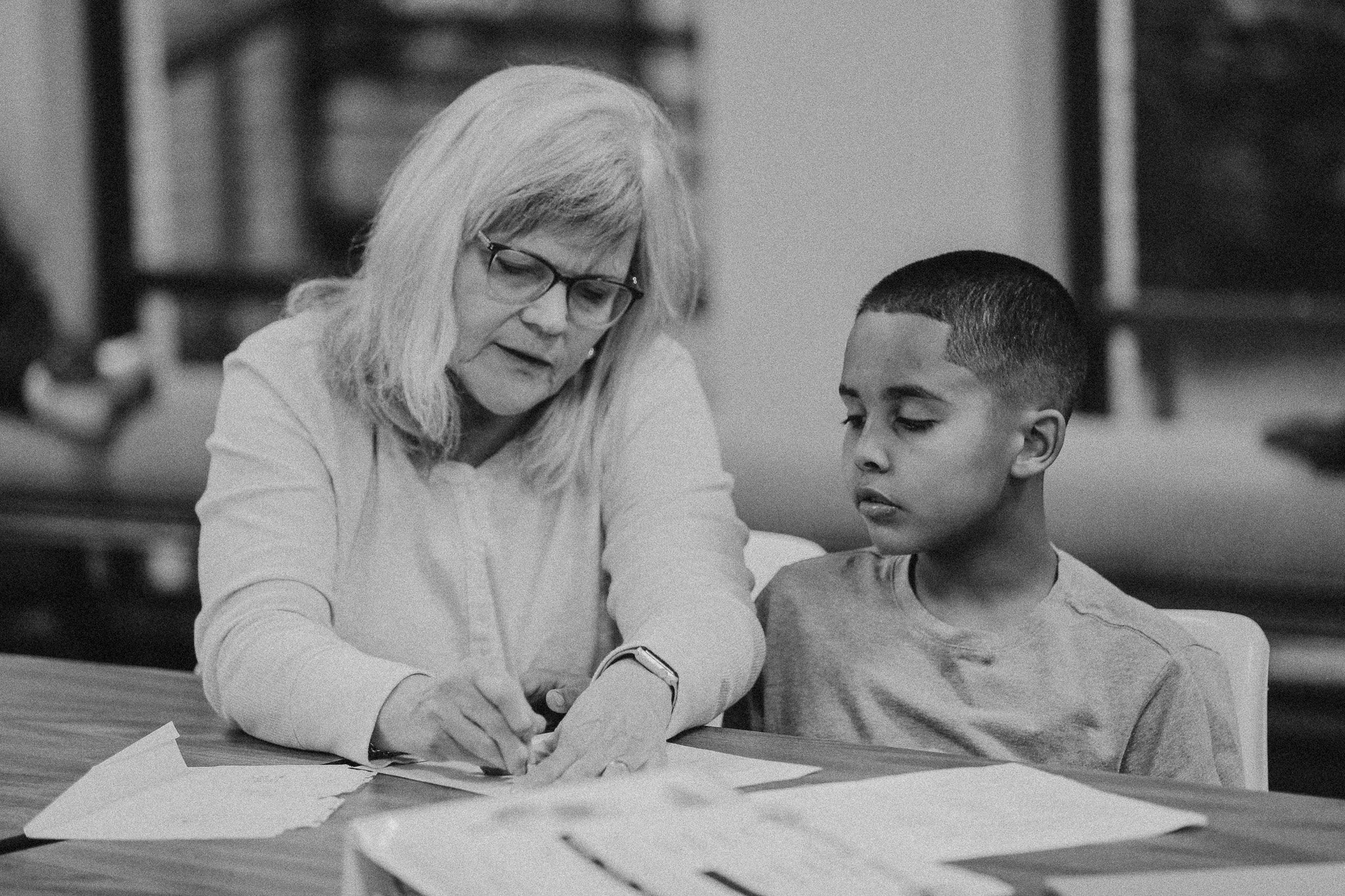
How Mentors Help Kids Know They Are Not Alone
How Mentors Help Kids Know They Are Not Alone
The fluorescent lights in that small office hummed just loud enough to fill the silence between us. He sat across from me, legs swinging slightly under a chair that was just a little too big, his eyes never settling in one place for long. Every few seconds, he scanned the room like he was mapping exits, even though nothing about that space was threatening. I had learned by then that the room isn’t always what a kid is responding to. Sometimes they’re reacting to rooms from years ago that never felt safe, even if this one is.
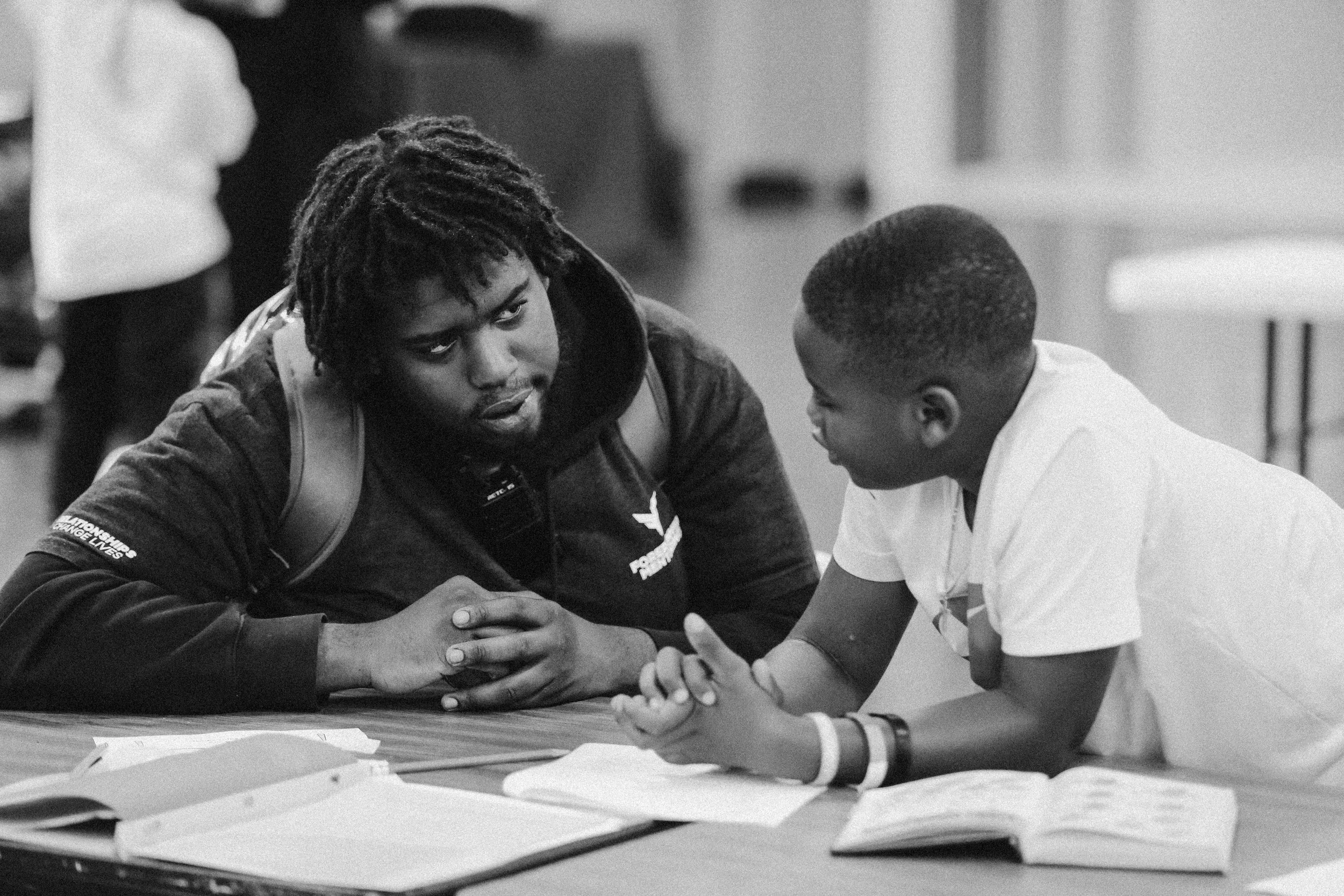
Why Mentors Need to Show Up in a Kid’s World
The blinker had been clicking for longer than it needed to, steady and rhythmic, filling the quiet space between us as we sat in the parked car. He hadn’t reached for the door handle yet, even though we had already pulled up to his house. His backpack sat at his feet, untouched, like leaving it there might buy him a few extra seconds before stepping back into whatever was waiting inside.

How Mentors Can Embrace Kids Who Are Different
The room at Café Momentum carried a kind of weight that night—the kind you feel before anything significant is said. Conversations filled the space, plates moved across tables, and the low hum of expectation lingered in the air. I sat toward the back, listening as leaders, donors, and community voices gathered for what could have easily been another polished presentation about impact and outcomes.
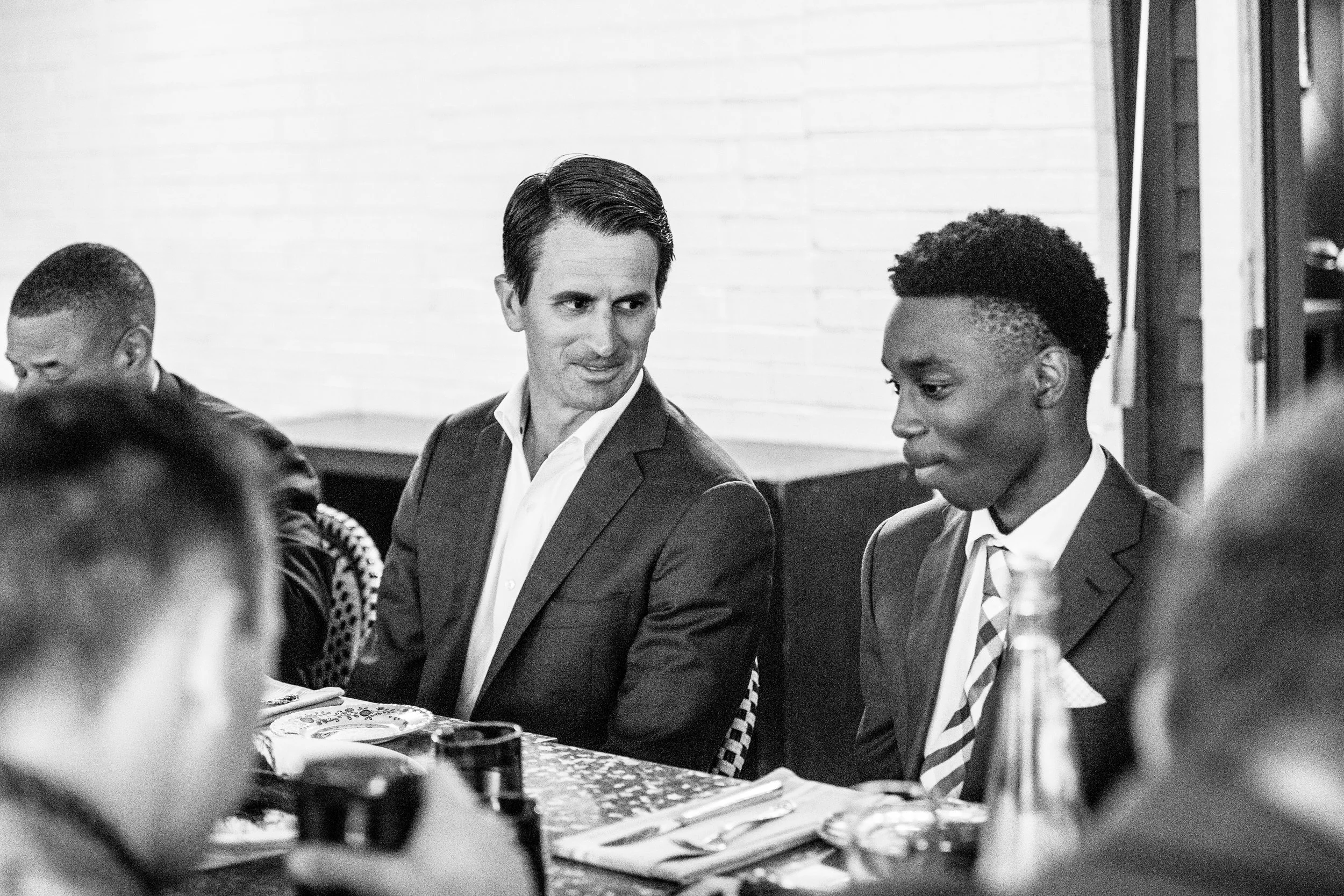
Why Mentors Should Believe the Best About Kids
The first time I walked through that apartment complex, I didn’t have a plan that would impress anyone. I wasn’t carrying a curriculum or a strategy deck. I had a couple bottles of water, some snacks from a corner store, and a simple question I wasn’t even sure people would answer:
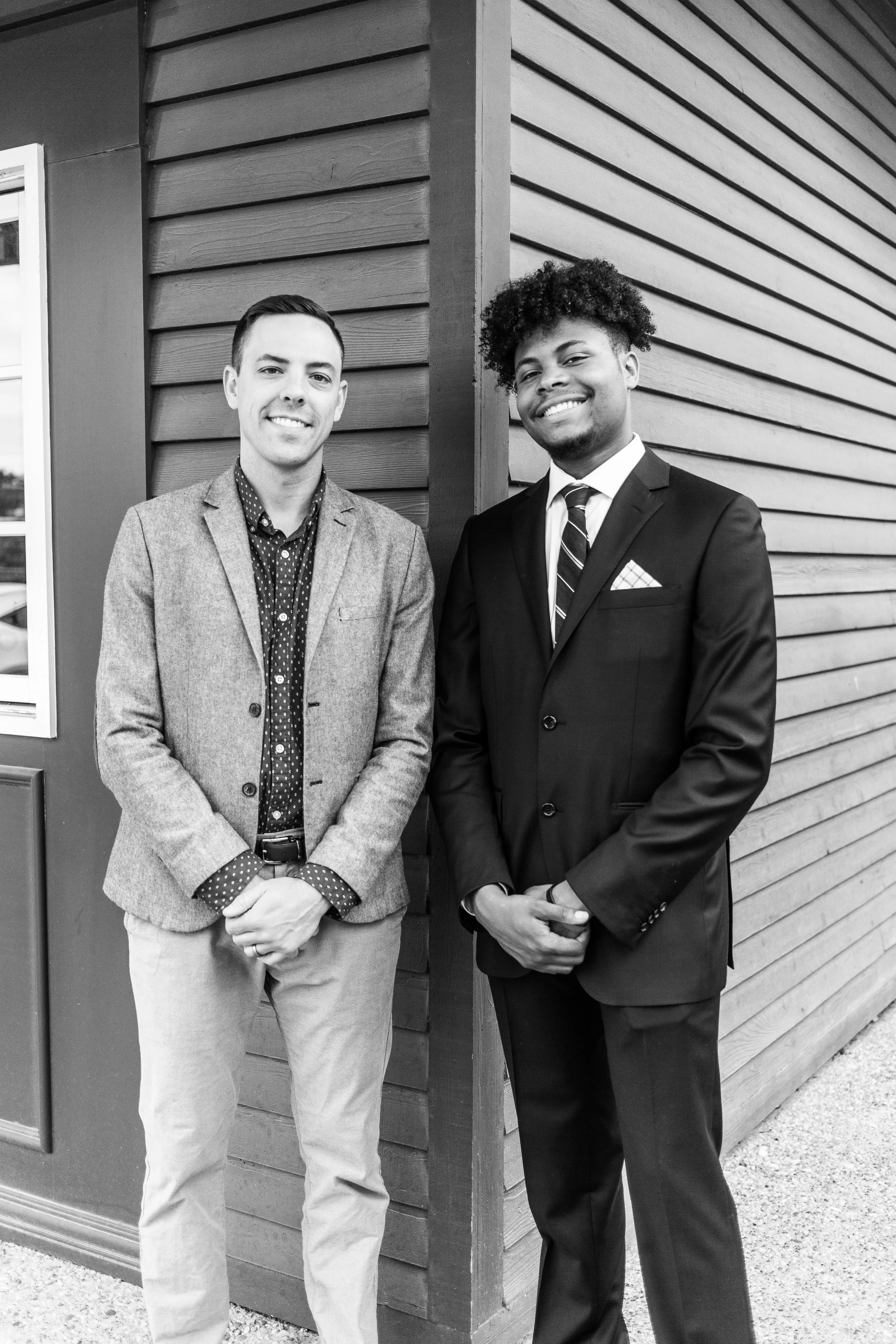
How Mentors Help Kids Set a New Standard
The room felt chaotic before the sun had even fully come up. I could hear raised voices echoing down the hallway, the kind of tension that settles into your chest before you even see what’s happening. When I stepped into the space, it wasn’t just noise—it was survival on display. Kids pushing, grabbing, yelling, posturing.
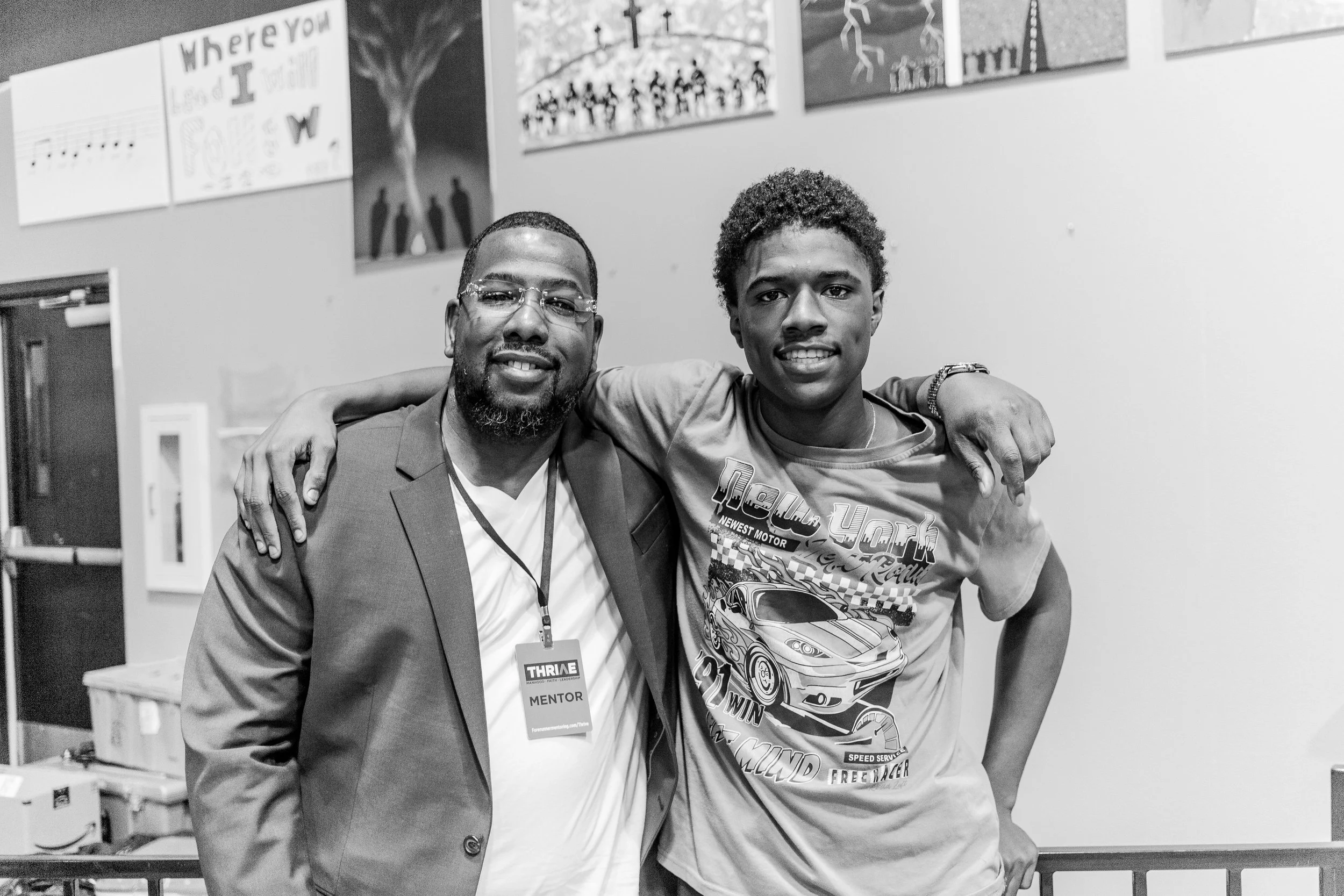
Why Serving Is Essential to Christian Mentoring
Basketballs echoed against the hardwood, shoes squeaked, and a group of boys argued over a foul that no one could agree on. I was standing off to the side of the gym when one of the kids stormed out of the game, kicked a chair, and muttered something under his breath that I knew wasn’t just about basketball.
How Mentors and Parents Can Work on the Same Team
The hallway outside his apartment smelled like laundry detergent and something burnt from a neighboring unit, and I remember standing there for a second longer than usual before knocking. I had already texted, already told him I was there, and it would have been easier to stay in the car and wait for him to come down.
Keeping the Gospel at the Center of Mentoring
The ball hit the front of the rim for the fourth time in a row, and I could see the frustration building before a word was ever spoken. We were standing on a cracked outdoor court, the kind where the lines have faded and the nets are half-torn, and he had already decided what this moment meant about him.
How Mentors Earn the Right to Be Heard
The car still smelled like fast food fries when I caught myself talking and realized I was the only one engaged in the conversation. He sat in the passenger seat, hood up, eyes fixed on his phone, occasionally nodding just enough to signal that he heard something but not enough to show that it mattered.
Why a Mentee’s World Is Your Mission Field
Why a Mentee’s World Is Your Mission Field
The first few times I showed up, I was given safe, simple tasks—stuffing envelopes, organizing papers, helping in ways that kept me at a distance from students. It was helpful, but it wasn’t why I was there. I didn’t come to serve systems; I came to step into lives. Eventually, I asked to be placed where I could actually interact with students, and that’s when everything changed. I found myself in a room full of teenage boys—loud, unpredictable, full of energy and pain that sat just beneath the surface. Some of them tested boundaries. Some of them joked nonstop. Some of them barely spoke. But all of them were carrying stories I didn’t yet understand.
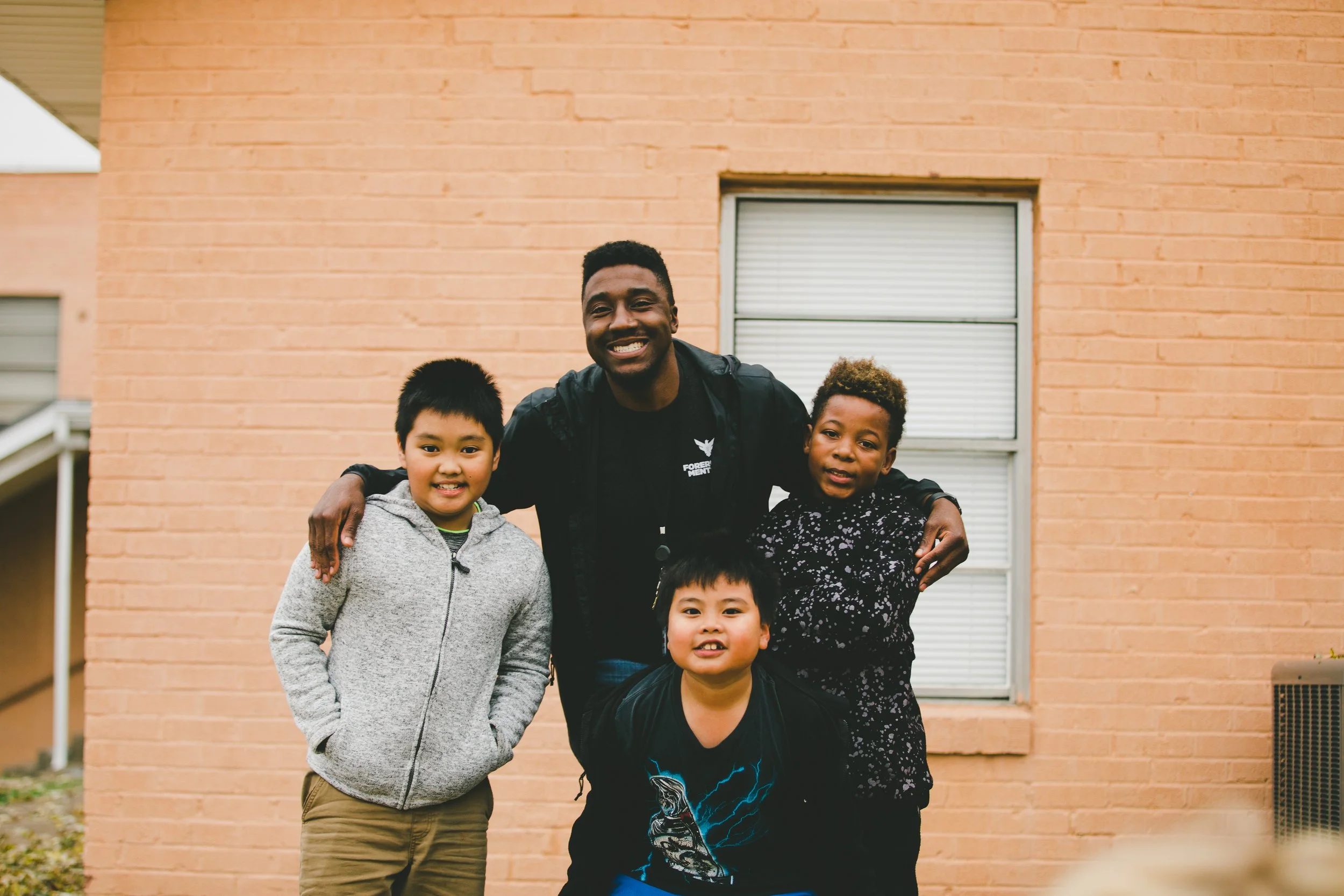
How to Call Kids Up Instead of Calling Them Out
The echo of sneakers squeaking against the polished gym floor still comes back to me when I think about that night. It was a church league basketball game, the kind where the scoreboard mattered far more to me than it should have, and where competition had a way of pulling something raw out of my heart.
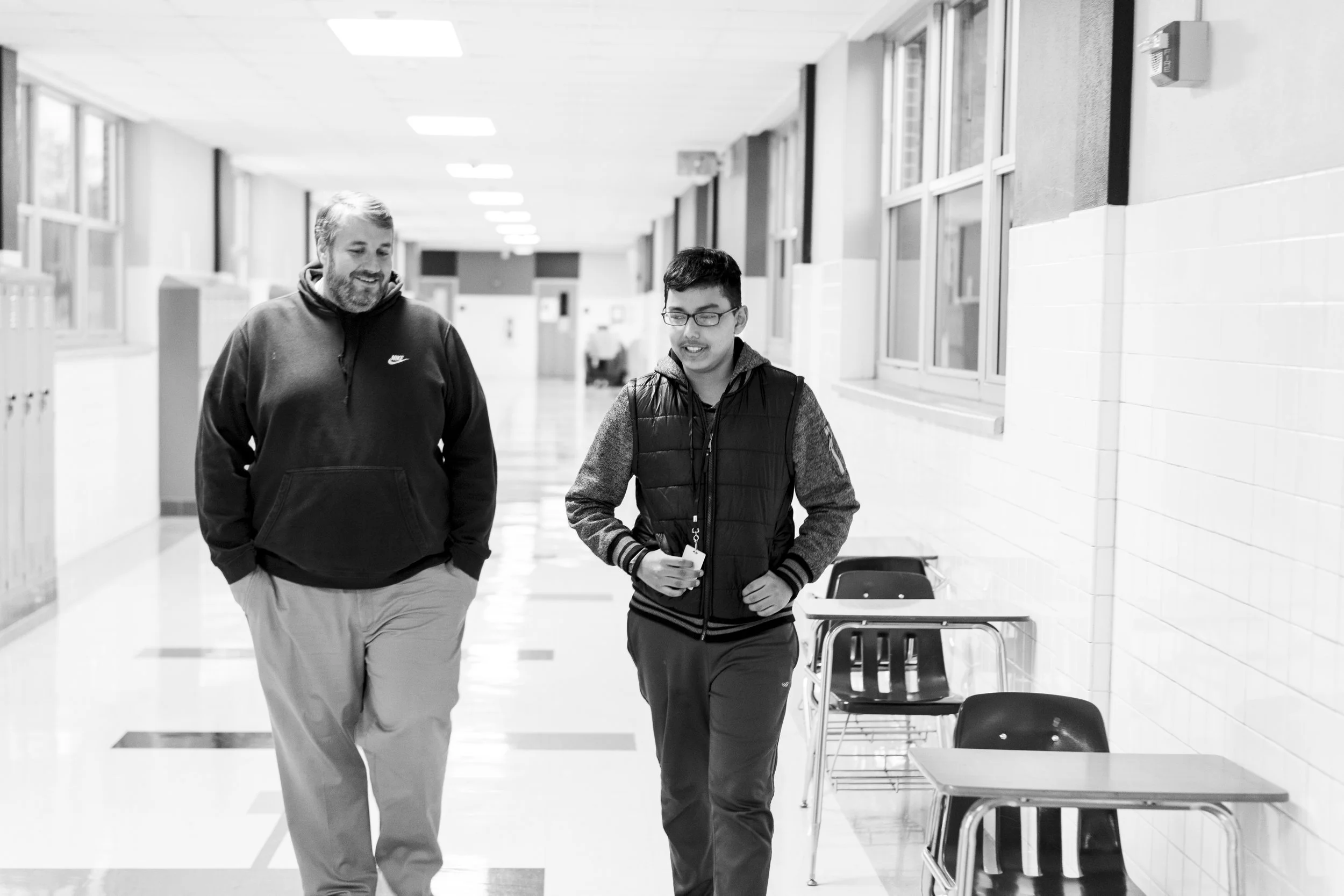
Mentoring People, Not Projects: How to Let Go of Outcomes
The steering wheel felt tighter in my hands than it should have as I sat at a red light, replaying the last few weeks in my head. I had done everything I knew to do. I had shown up consistently, made time, had hard conversations, even helped create a plan that felt clear and achievable.
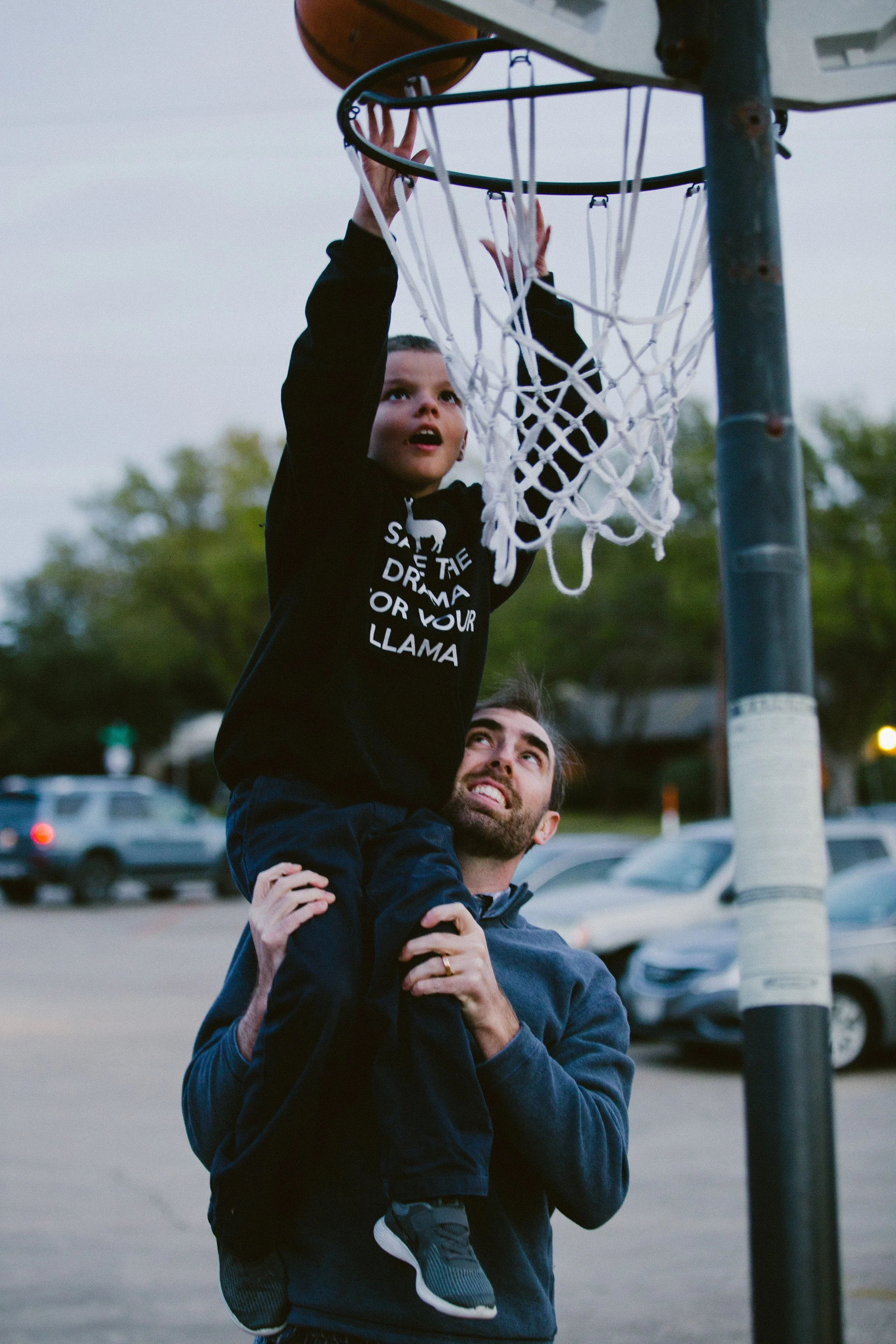
How Mentoring Turns Hard Places into Holy Ground
The gravel in that driveway made a distinct sound when a car pulled in, a slow crunch that seemed louder than it should have been. I’ve stood in enough front yards like that to recognize the tension before anything is said—the way a kid’s shoulders stiffen, the way their eyes dart toward the street, the way their mind starts racing ahead of reality.