
Blog
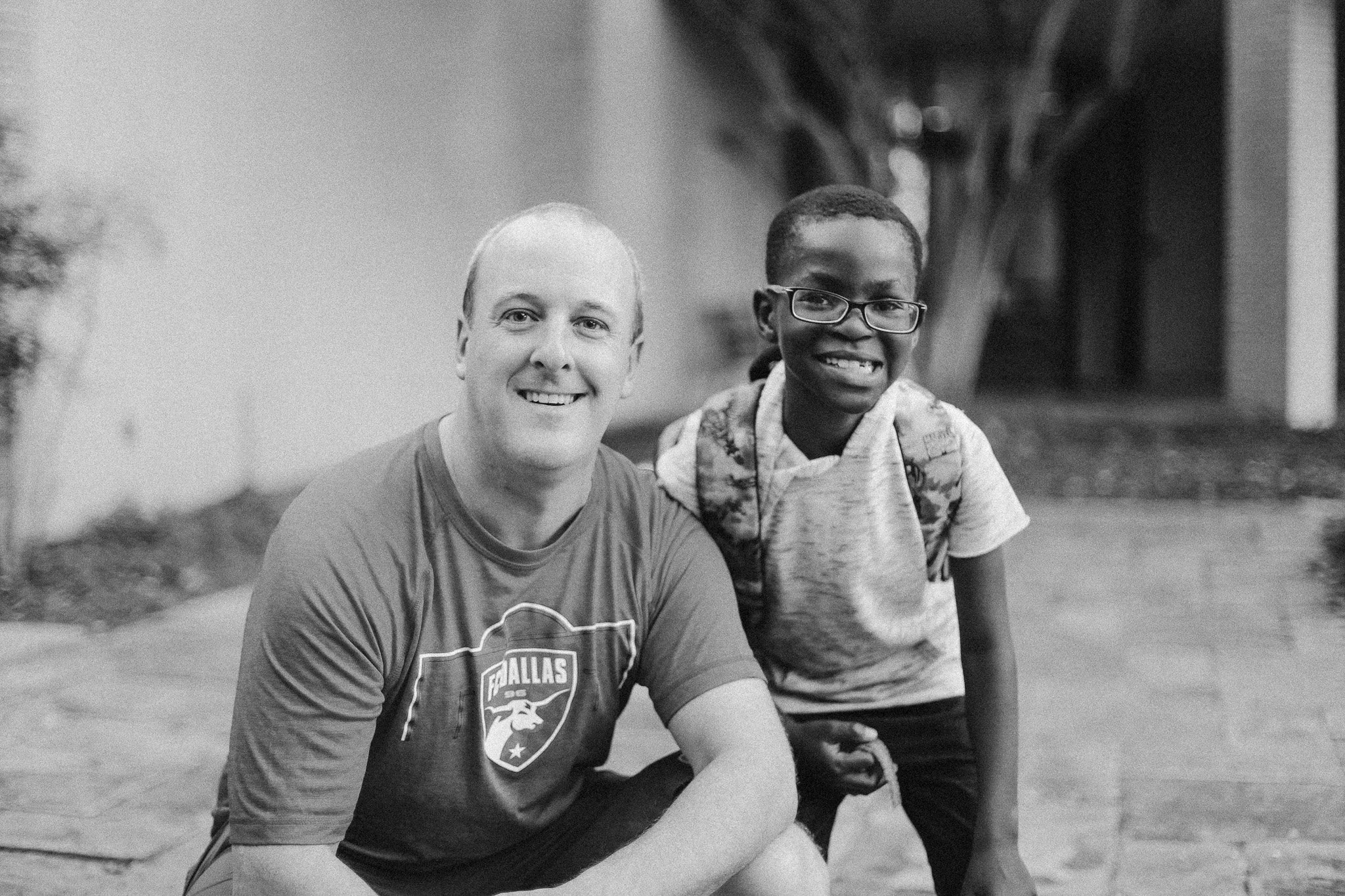
How Mentors Can Invite Kids In Instead of Pushing Them Away
The sound of wheels hitting concrete echoed louder than it should have in that empty parking lot, the kind of sharp crack that carries just far enough to make someone inside notice. I stood just inside the glass doors, watching a group of teenage boys take turns launching themselves off the curb, each one trying to land something cleaner than the last.
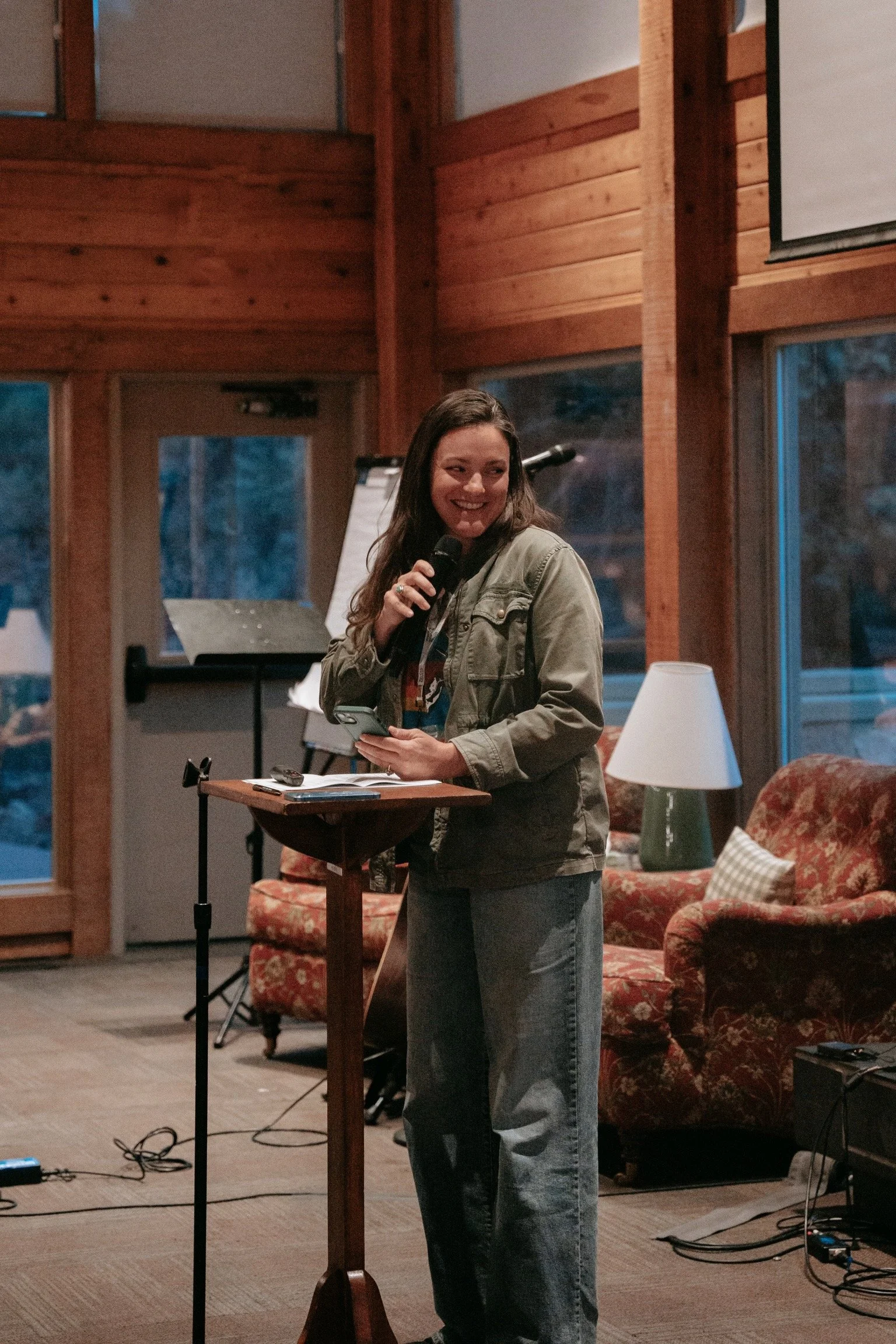
How Mentors Help Kids Get Back Up and Try Again
The ball ricocheted harder than I expected, catching the edge of the rim and bouncing out toward the side of the court where no one was really paying attention. I watched him watch it, that half-second hesitation where he could have chased it but didn’t.
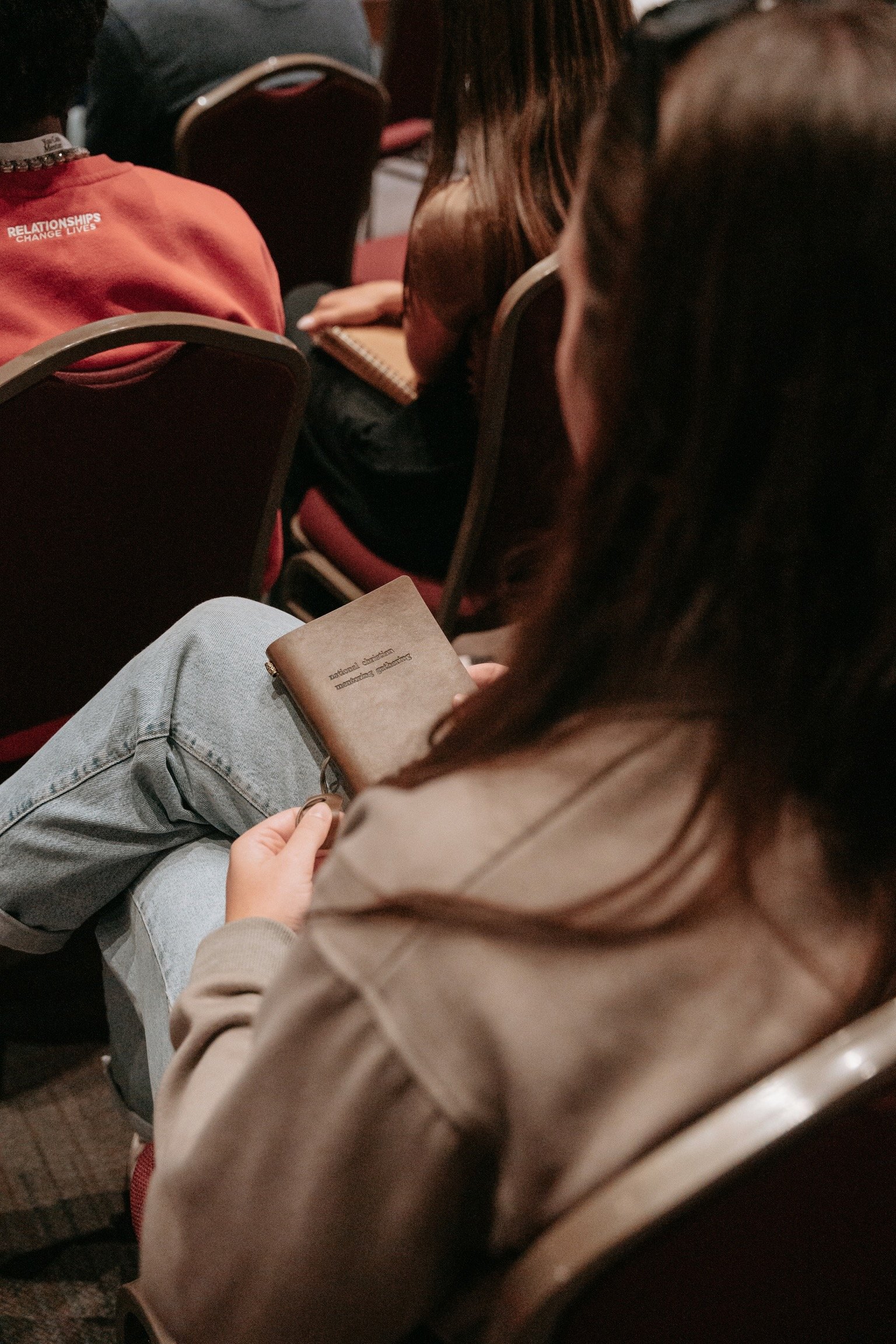
Why the Invitation to Mentor Is Open
My hand rested on the door handle longer than it should have, like I was waiting for something outside of me to make the decision easier. Inside, I could hear the low hum of conversation, a mix of voices that rose and fell without any clear rhythm. Someone laughed.
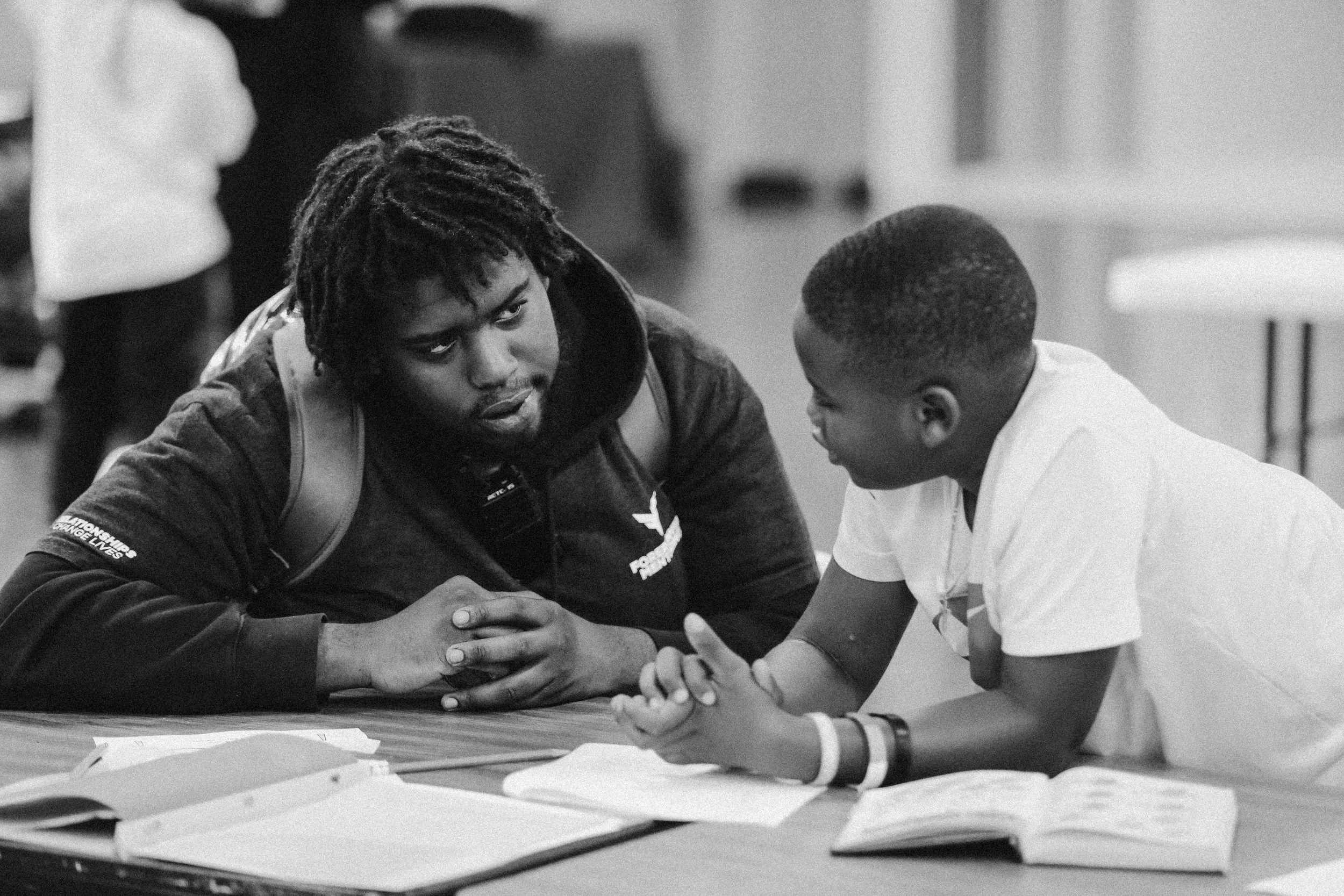
How Mentors Can Use Shared Interests to Build Trust
The moment didn’t feel significant at first. We were sitting in the car outside his house, engine off, neither of us in a hurry to move. The conversation had already stretched longer than usual, and we had run out of the easy topics—school, sports, what he did over the weekend.
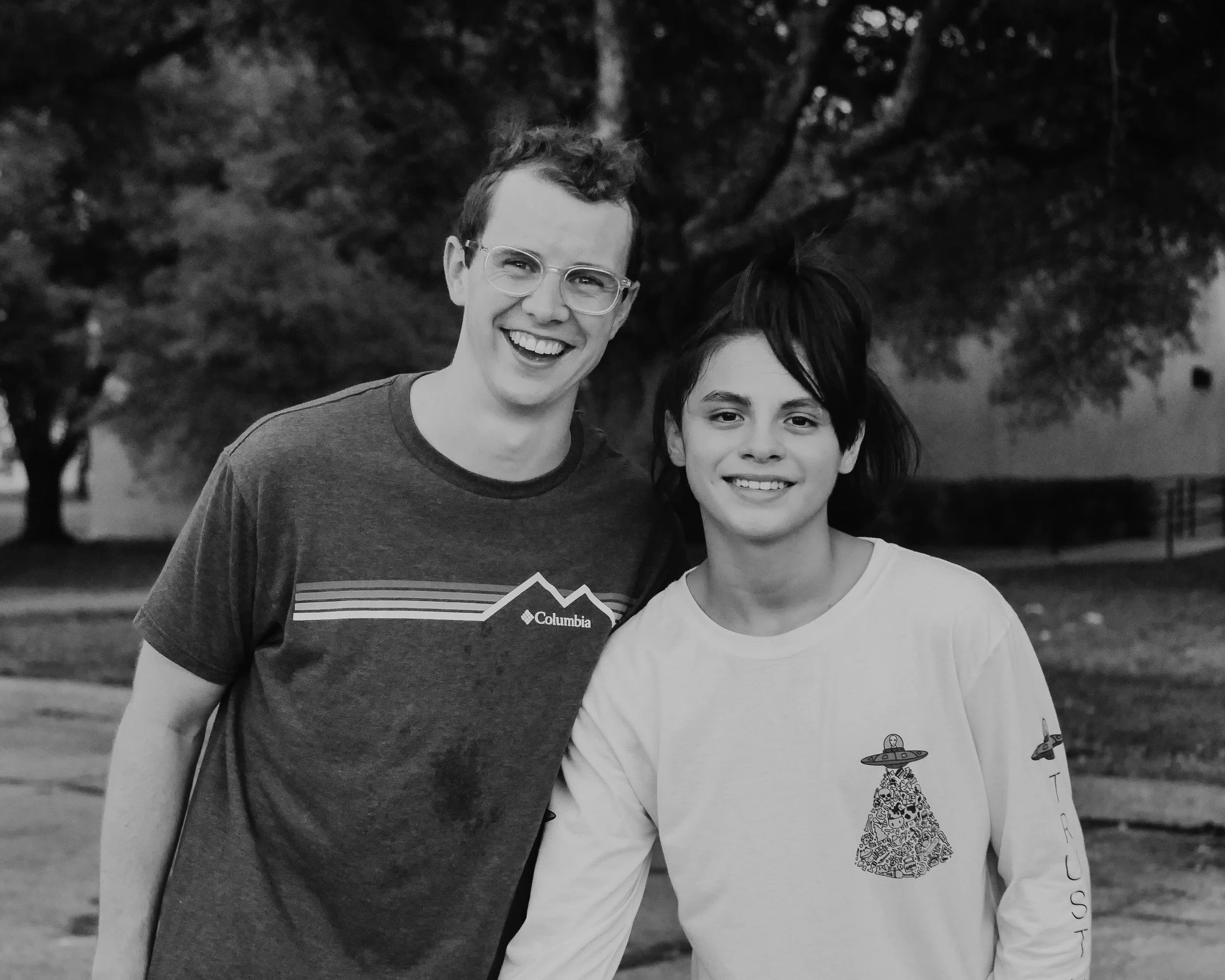
How to Make Discipleship Feel Possible for Mentors
He kept tapping his foot against the metal leg of the table, fast enough that it rattled every few seconds. I watched it for a while before I said anything, trying to decide if pointing it out would shut him down or open him up. We were sitting in a quiet corner of a library room that someone had let us borrow, and the silence felt heavier than usual.
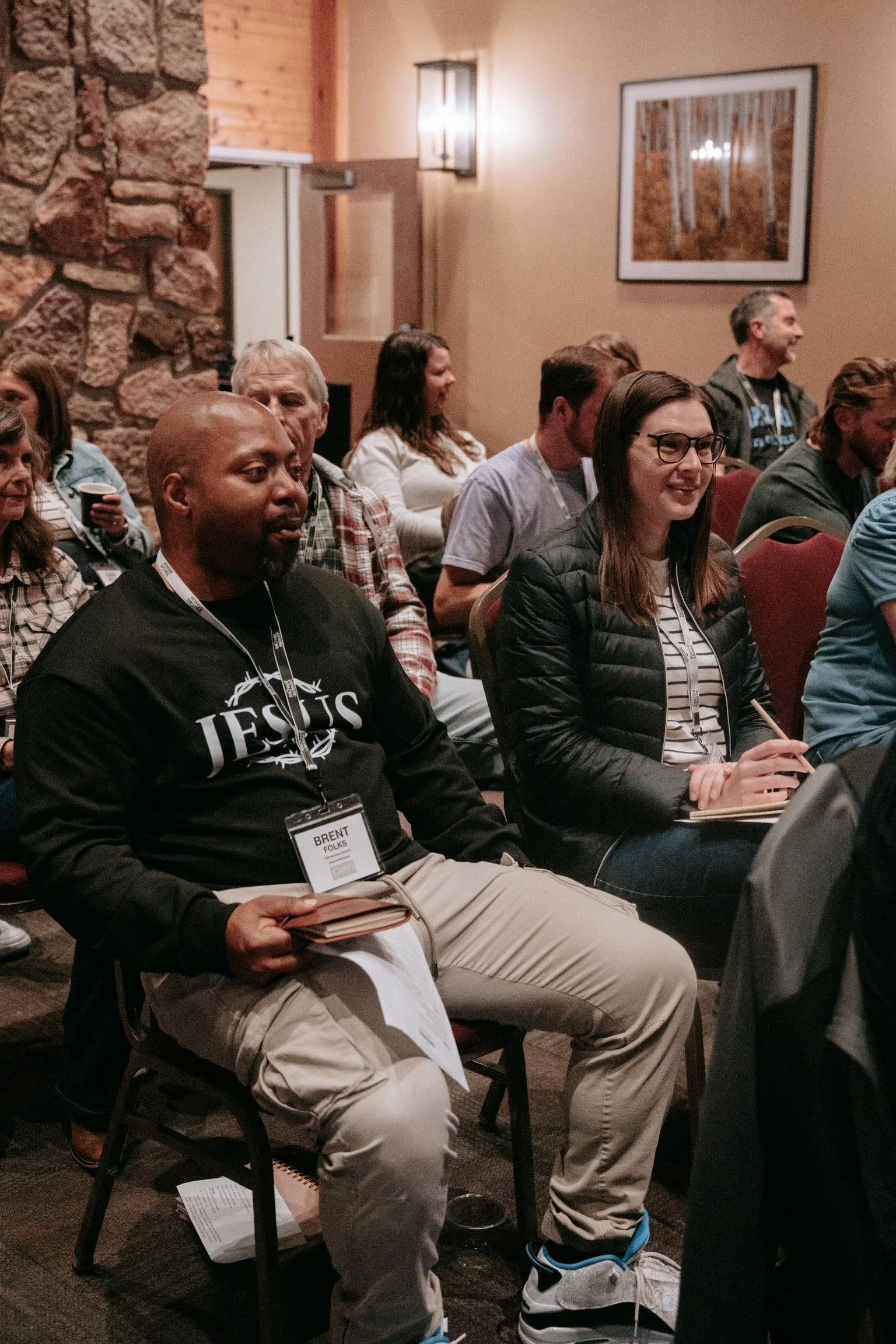
Why Serving Others Is Part of Following Jesus
We stood in the driveway longer than we needed to, both of us pretending to check things we had already checked. He kept dragging his foot across the gravel, drawing invisible lines, while I stared at a pile of warped lumber leaning against a fence in the distance.
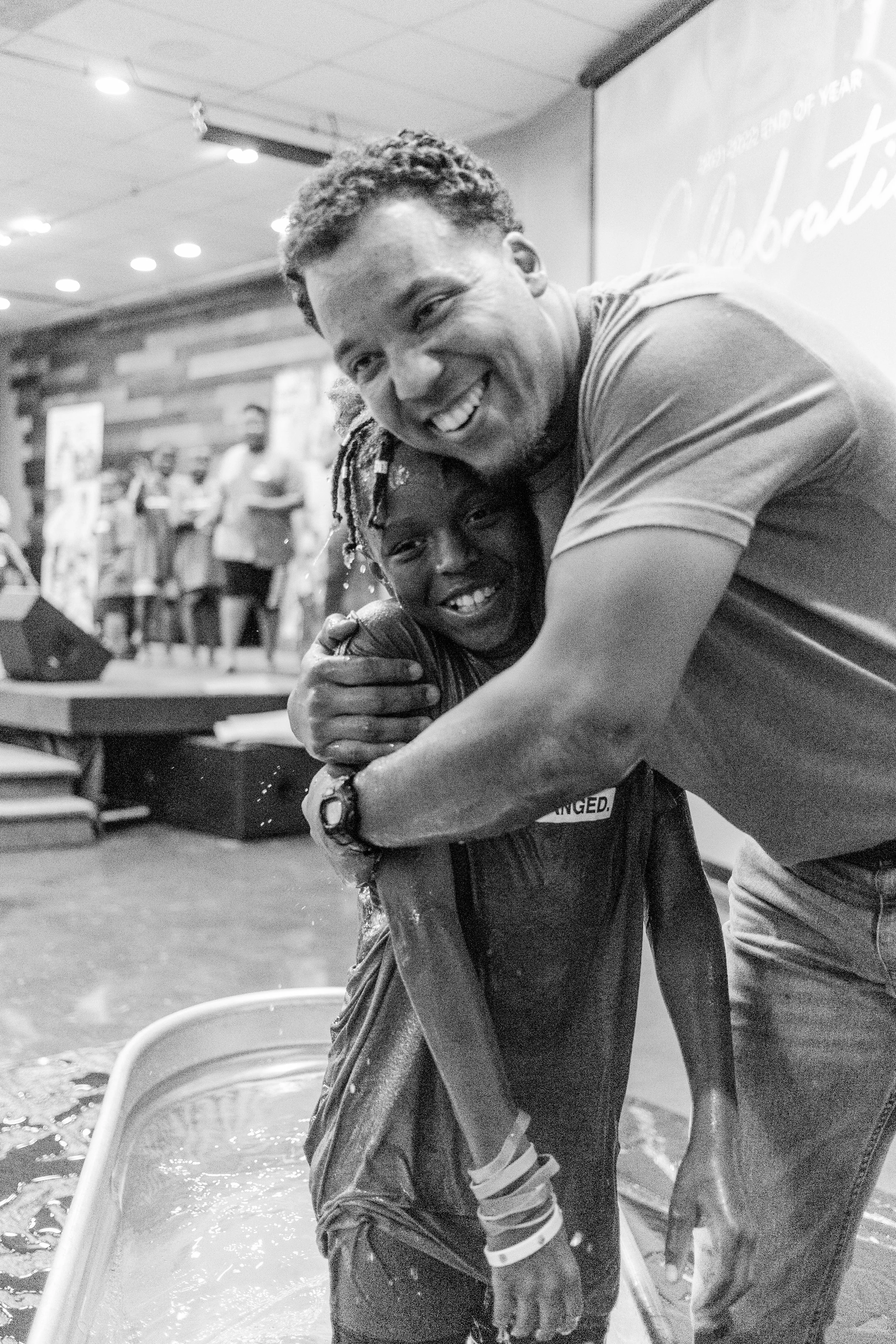
How to End a Mentoring Relationship Well
The fries had gone cold, and neither of us had touched them for a while. He kept turning the paper cup in small circles, pressing the lid down and letting it pop back up again, like he needed something to do with his hands while he waited for me to say what he already sensed was coming.
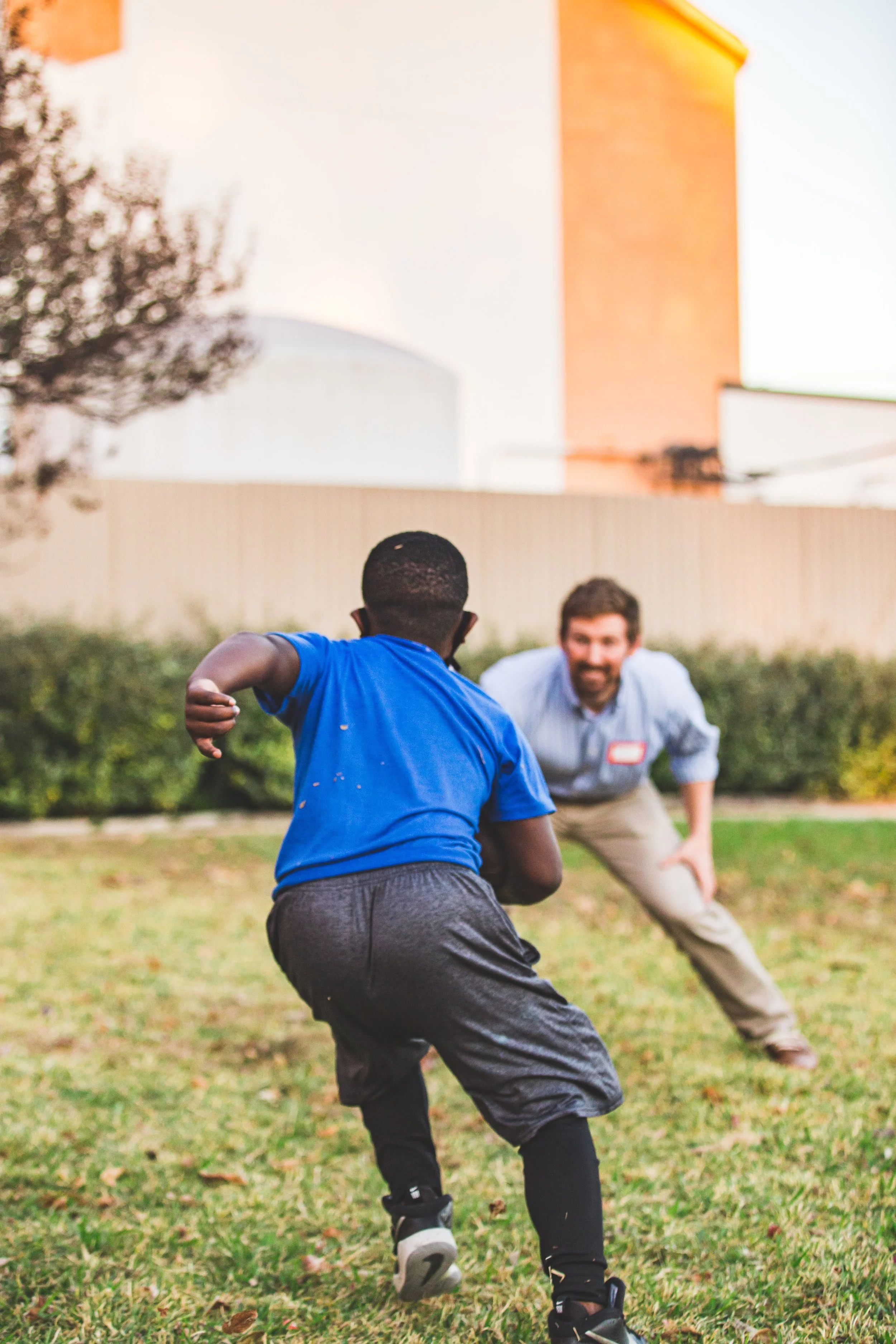
Why Healthy Boundaries Protect Mentoring Relationships
The phone buzzed again on the counter while I was rinsing dishes, the kind of buzz that doesn’t feel neutral anymore because I already knew who it was before I even looked. I dried my hands slowly, not because I was busy but because I could feel the tension building in me before I even read the message.
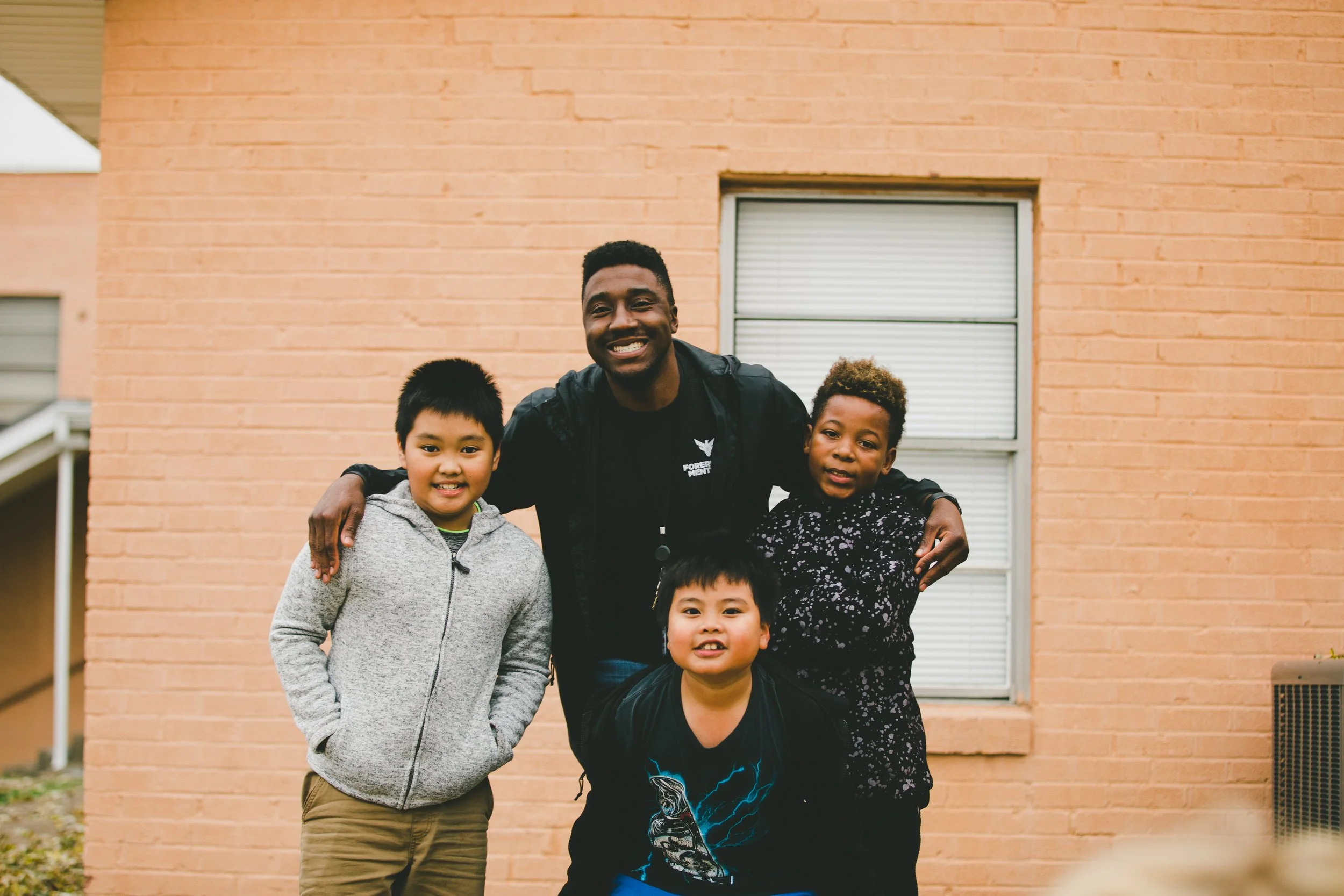
Why Mentoring Leaders Should Trust Teens With the Mic
The mic hit the floor harder than I expected, and the sound echoed through the room in a way that made every adult instinct in me want to step in and take control. The kid holding it froze, his eyes darting toward me, waiting to see if this was the moment I would pull it back and do it myself.
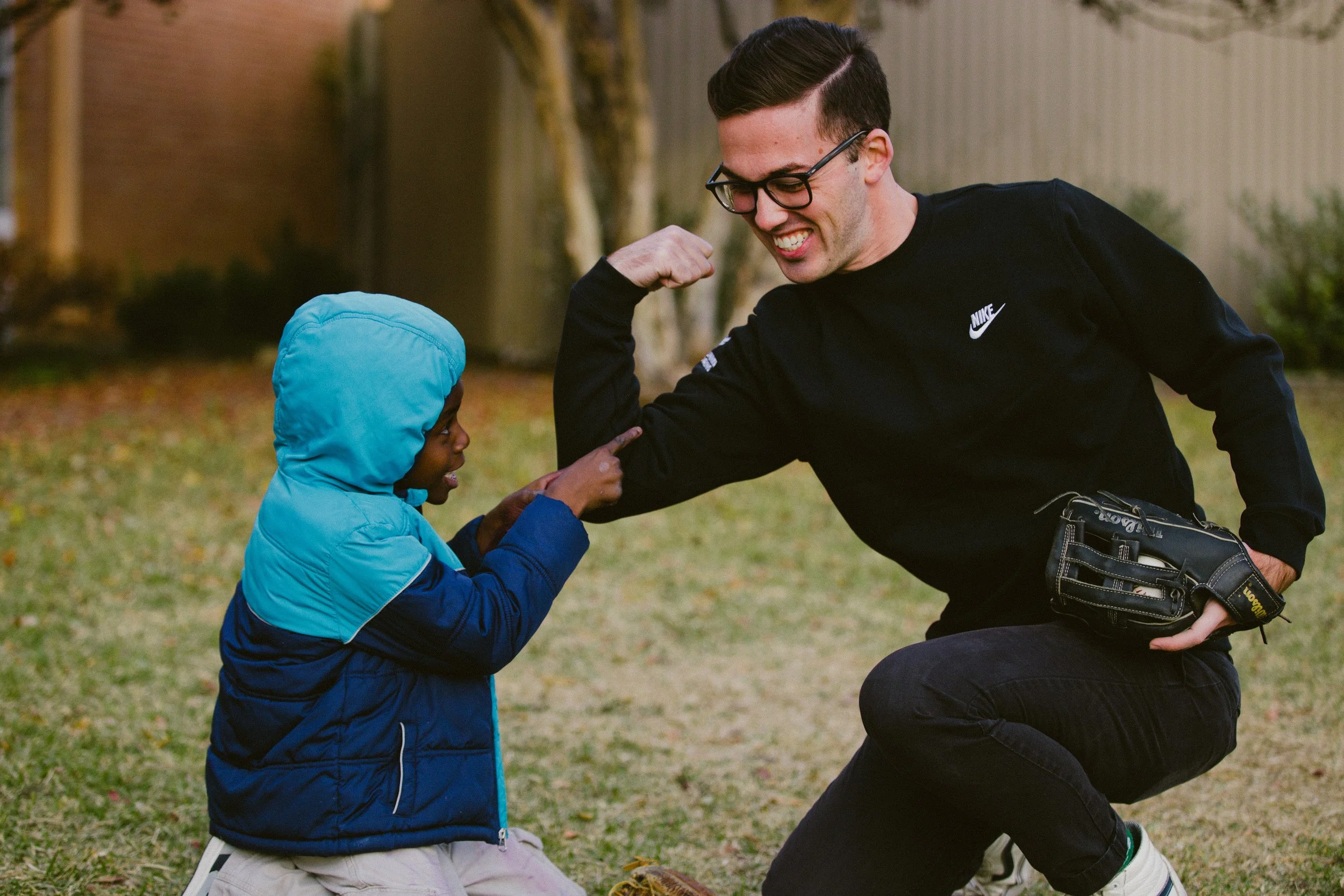
Why Mentors Should Choose Family Over Fixing
She didn’t say anything at first when I stepped into the hospital room. The fluorescent lights made everything feel too clean, too exposed, like there was nowhere to hide from what had happened.
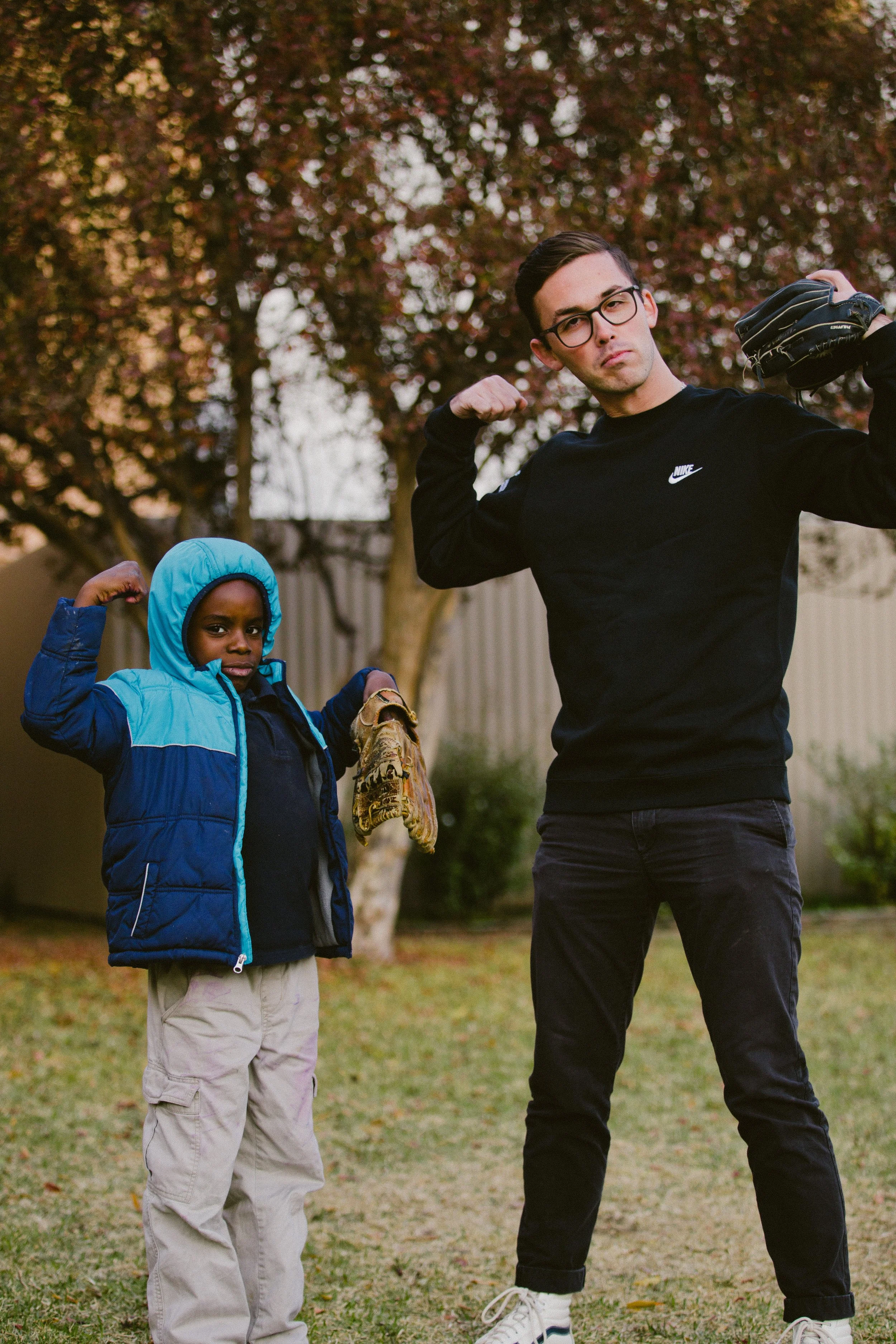
How Gratitude Strengthens Mentoring Relationships
The fire had burned lower than we expected, and the damp air kept pulling the heat away faster than we could replace it. I watched him sit there, elbows on his knees, staring into the coals like he was trying to find something in them.
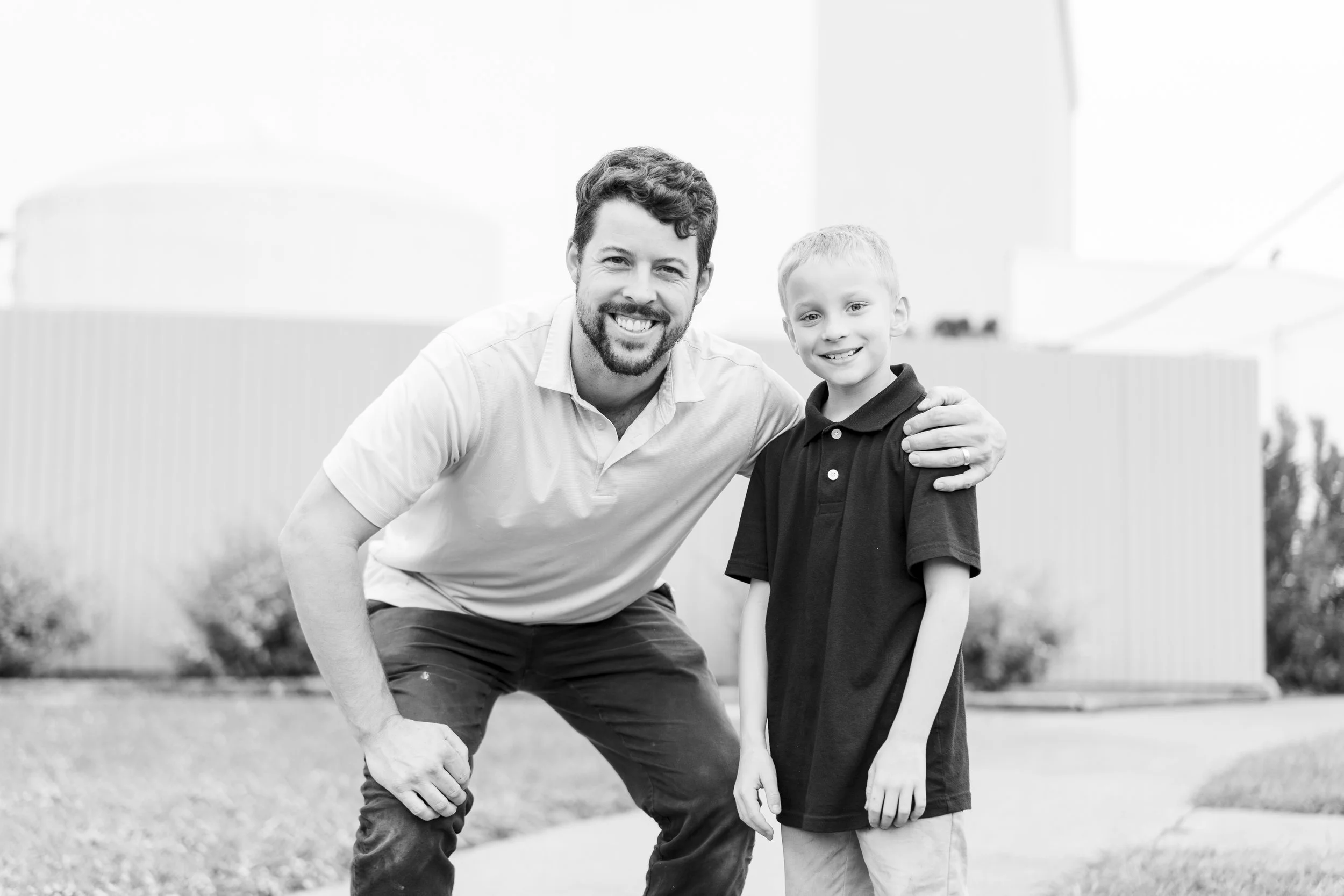
How Mentors Advocate by Showing Up Where Kids Are
He kept tapping his pencil against the desk, not loudly enough to get sent out, but just enough to make the teacher pause mid-sentence and look in his direction. It happened three or four times in the span of a few minutes.
Why Mentoring Ministry Was Never Meant to Be Done Alone
Jon slid his tray across the table and looked at me with a half-smile that felt more like a challenge than a greeting. The restaurant was louder than I expected, full of clinking silverware and overlapping conversations, but somehow the space at our table felt quiet in a different way, like something important was about to be said whether I was ready for it or not.
How to Build Strong Communities One Mentoring Relationship at a Time
Opening Story
He stood just inside the doorway, not fully in the room, not fully out of it either. His backpack hung off one shoulder, unzipped, papers sticking out like he had given up halfway through organizing it.
Why One Caring Adult Can Change a Child’s Life
Opening Story
The room didn’t feel important enough to matter. The fluorescent light above us flickered just enough to be distracting, and the faint smell of cleaning solution lingered in the air from whoever had mopped the hallway before we got there.
How Relationships Open Doors in Mentoring
Opening Story
He hesitated when I told him to come with me.
We were standing outside a small office building just off a busy street, the kind of place you would drive past a hundred times without noticing.
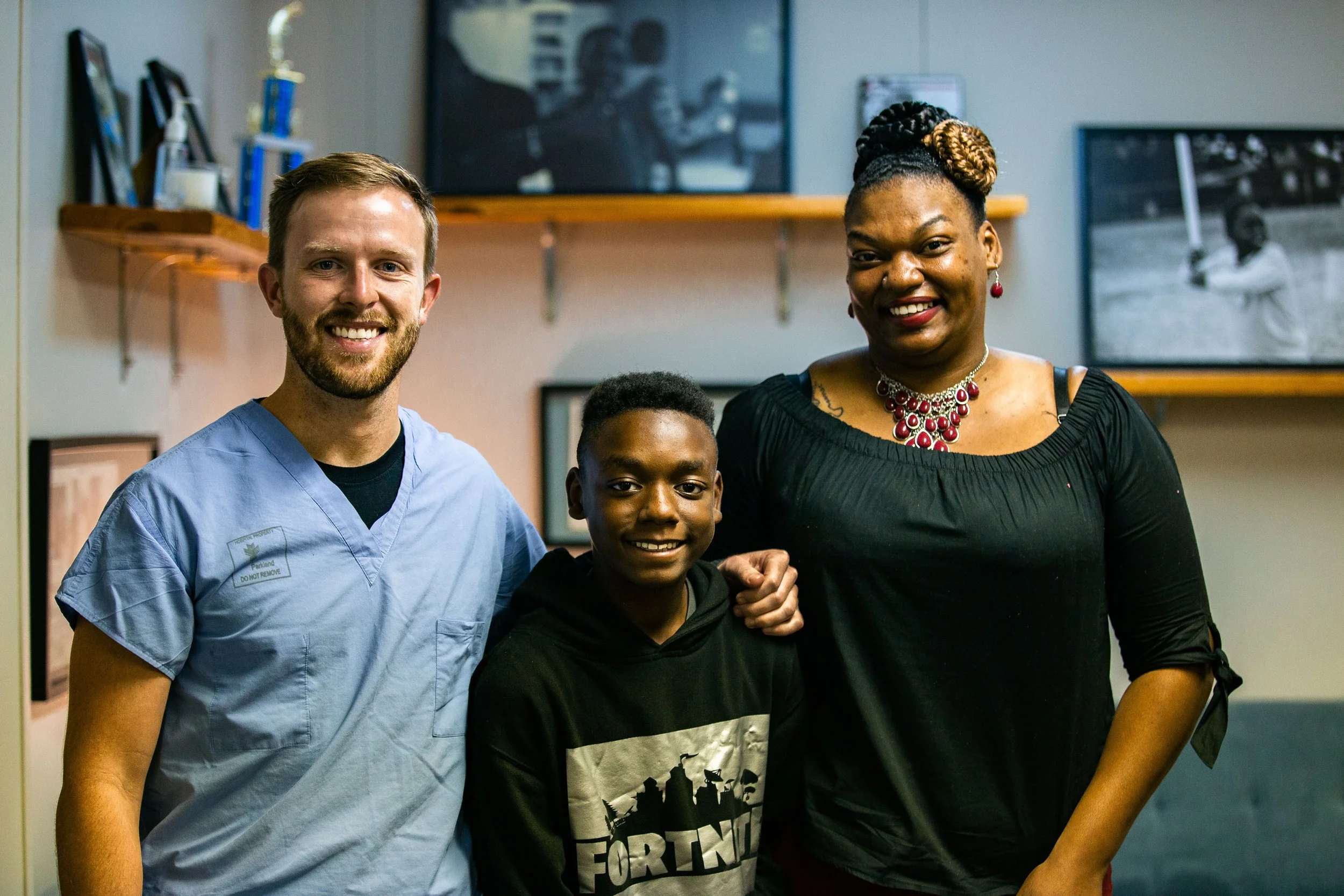
How a Mentor’s Words Shape a Child’s Identity
Opening Story
He kept interrupting me, not in a loud or disrespectful way, but in that restless, half-listening way that made it clear his attention was somewhere else.
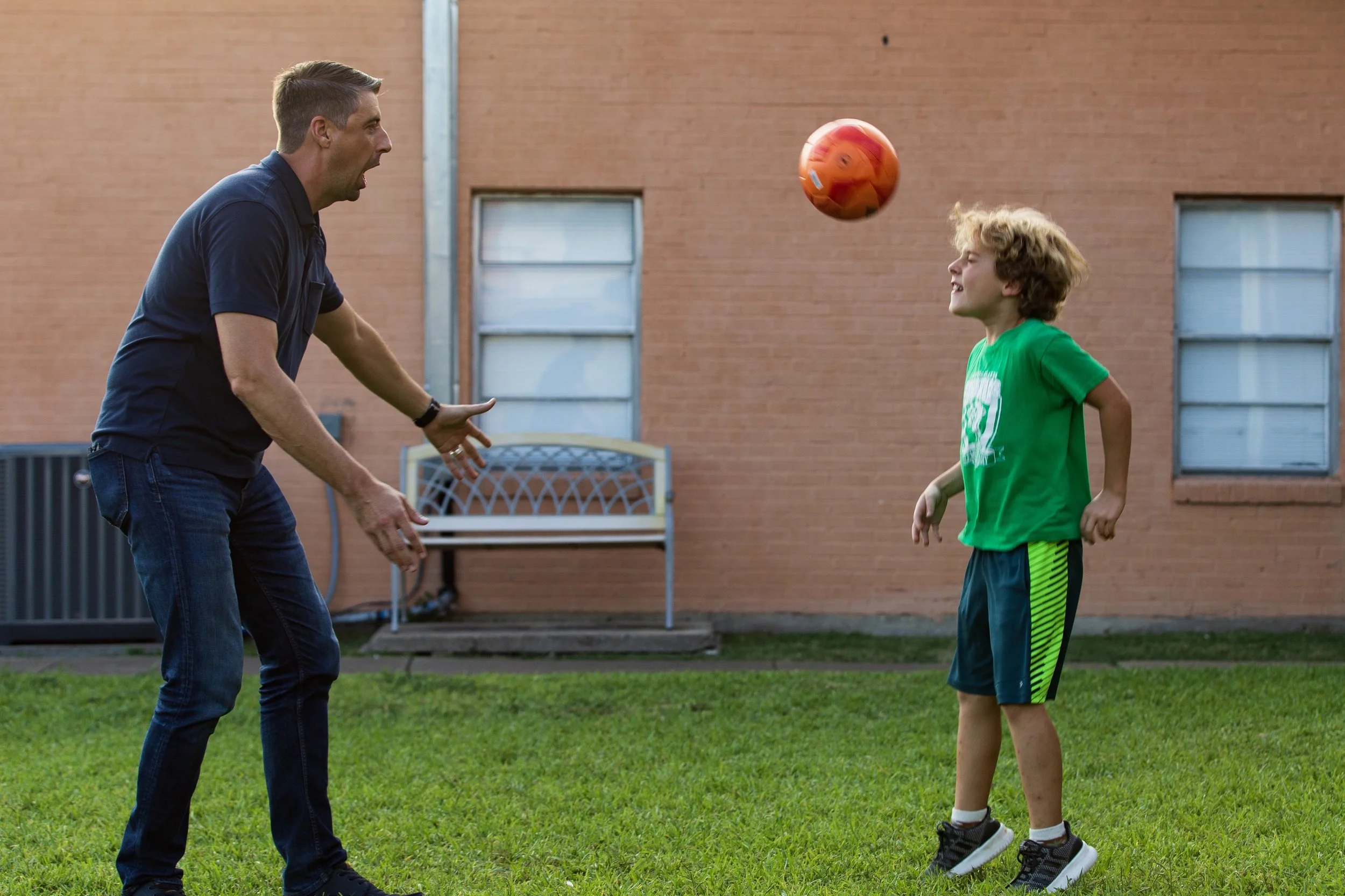
Why Mentoring Requires Both Care and Clarity
Opening Story
He sat across from me with his hands wrapped around a paper cup that had long since gone cold, staring at the table like he was trying to find an answer written into the grain of the wood.
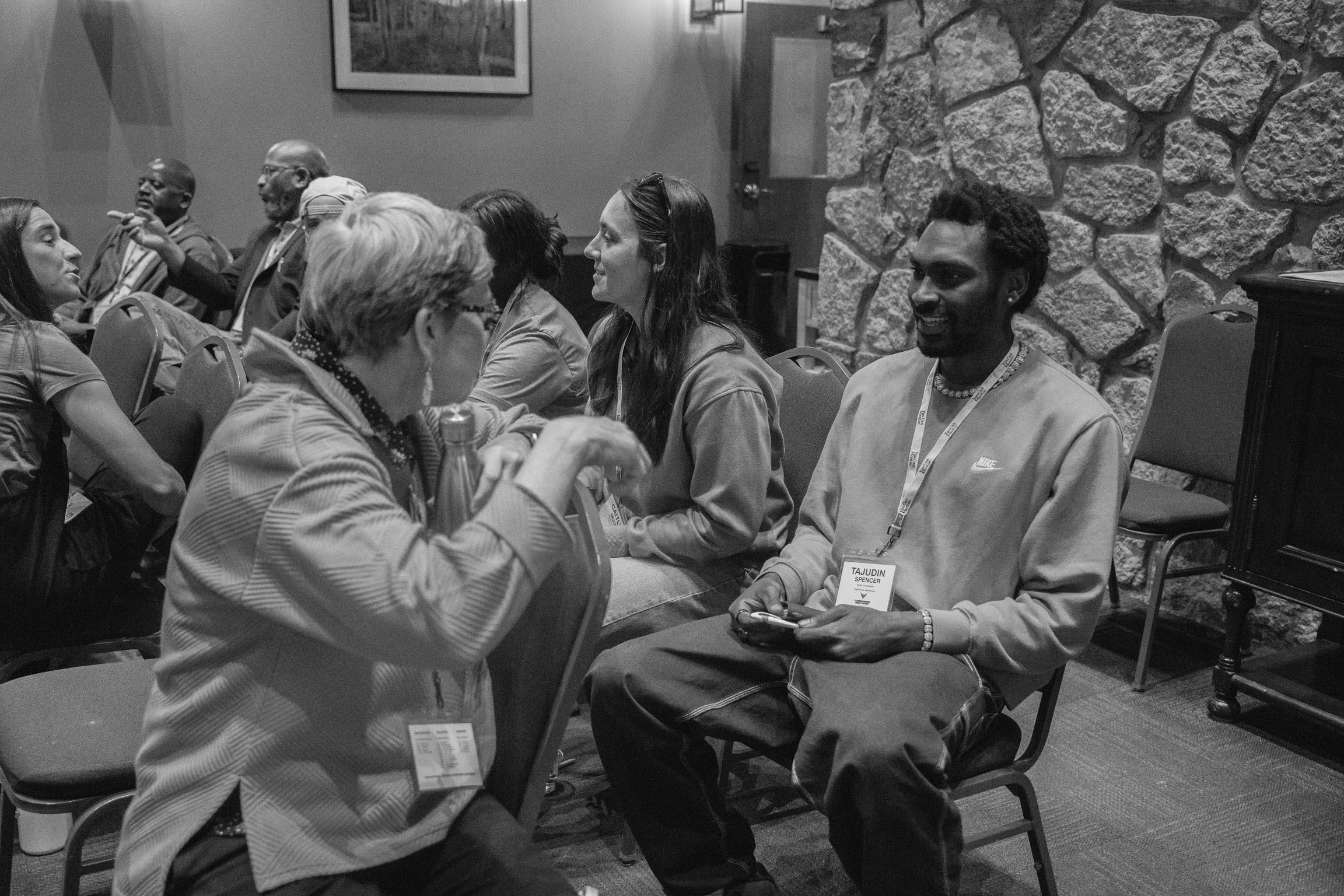
How the Wilderness Forms Men of God
Opening Story
The gravel shifted under our boots as we climbed the last stretch toward the ridge, and I could hear his breathing before I could see his face. It had turned shallow and quick, the kind that tries to hide itself but can’t.
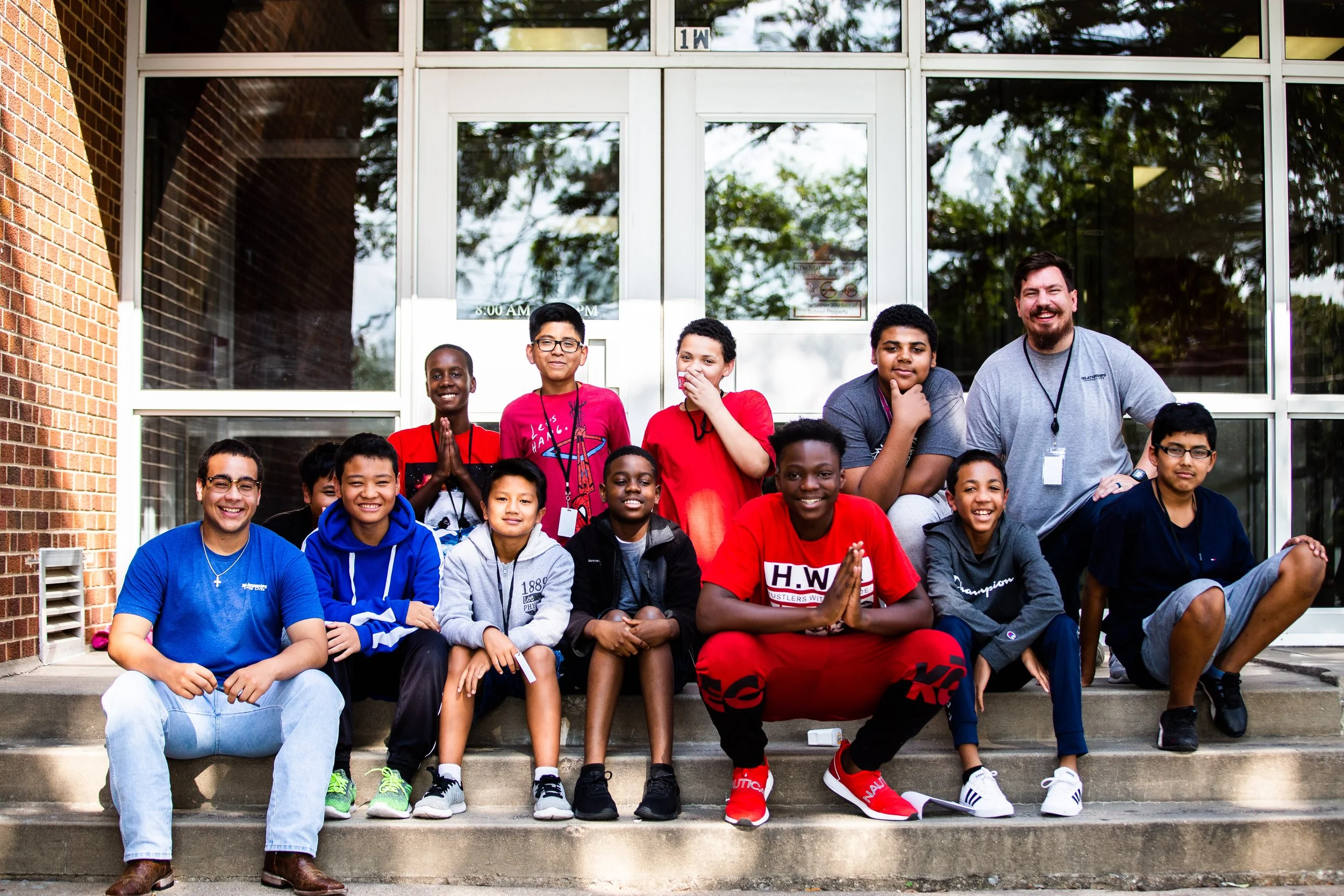
Why Gratitude Is a Relational Skill, Not Just a Mood
Opening Story
The server set the plate down and moved on quickly, barely making eye contact. I watched my mentee pick at his food without saying much, his shoulders slightly hunched, his responses clipped and distant. The room wasn’t loud, but there was a heaviness to the moment that didn’t need noise to be felt. I had learned not to rush past those moments, even when they made me uncomfortable.